
Why Your “Waterproof” Heaters Keep Dying
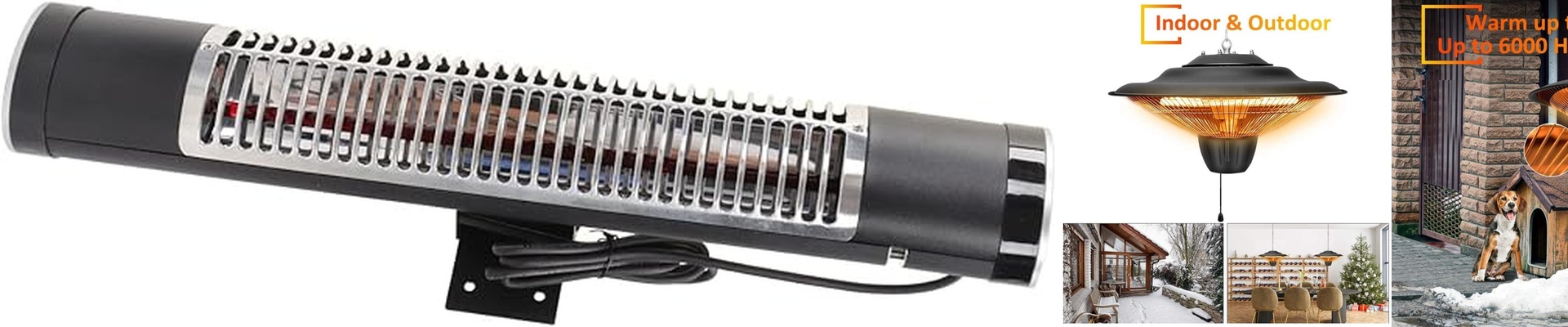
Here’s a secret about IPX4 heaters: they usually don’t fail because the main body leaks. The real killer is the lead-wire entry point. Think about it. You’ve got these extreme temperature swings happening. When a bit of moisture hits a scorching hot wire junction, it doesn’t just sit there. It basically eats the insulation alive. The problem with “cheap” Most assembly lines just slap on some basic silicone or heat-shrink tubing and call it a day. But those materials get brittle. They harden. They crack. Once that seal pops, humidity sneaks right into the terminal. That’s when things get messy. You get carbon tracking, a short circuit, and suddenly your heater is a paperweight. It’s even worse in shops where water mixes with industrial oils. That creates this nasty, corrosive slurry that just chews through low-grade seals. Doing it the right way We stopped using simple wraps a long time ago. Instead, we use a multi-stage potting process with high-Tg epoxy or specialized fluorosilicone. It basically creates a tight, air-tight bubble around the connection. The best part? It lets the wire breathe—expanding and contracting as it heats up—without pulling away from the seal. It just stays put. A quick heads-up on heat There is a trade-off, though. A tighter seal adds a bit of “bulk” (thermal mass). If your wire gauge is too thin, that seal can actually trap heat at the junction. You don’t want the wire burning out from the inside because the heat has nowhere to go. Getting the wire diameter right is key. Real-world advice If you’re installing these in a splash zone, remember that IPX4 only protects against sprayed water. If your team is using high-pressure hoses for wash-downs, you’ll want to add some secondary cable glands for extra peace of mind. Getting the factory sealing right is the foundation, but a little extra protection on the floor ensures you aren’t replacing heaters every few months.