

Stop Heating Your Cabinet Walls
Most heating elements are like lightbulbs—they throw heat in every single direction. In a cramped semiconductor chamber, that’s a disaster. You end up wasting a ton of energy just heating up the equipment walls. We see it all the time. The wafer gets to the right temperature, sure, but the outer skin of the cabinet gets so hot it could actually burn an operator. That’s not efficient. It’s just dangerous.
How Directional Heating Actually Works
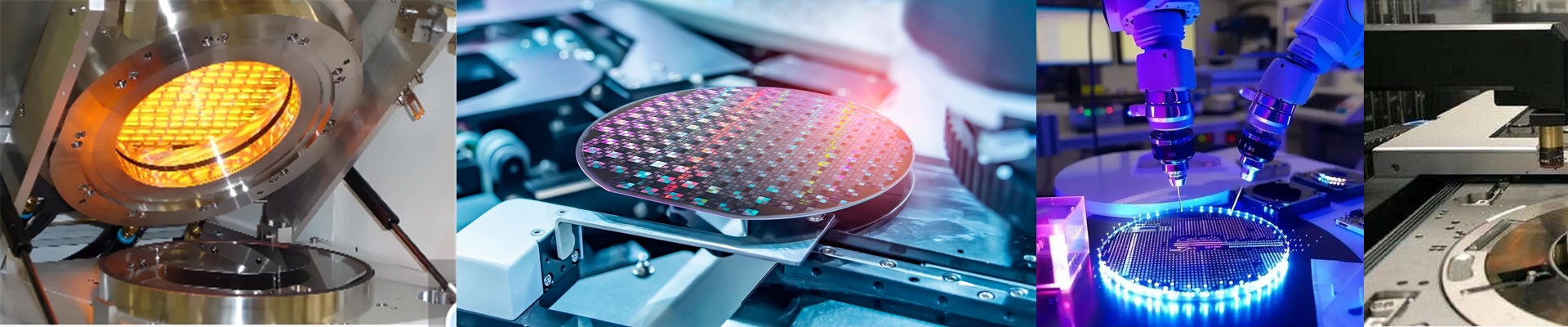
We use shortwave IR lamps to fix this. By adding specific coatings or using parabolic reflectors, we basically force the heat to go exactly where it’s supposed to. Instead of heating the air or the chassis, the energy hits the substrate directly. It kills off that “stray heat” that usually leaks into the tool’s shell. It’s a much cleaner way to work.
Giving Your Cooling System a Break
Here is the best part: when you stop fighting your own machine. When the cabinet walls aren’t soaking up heat, your chillers don’t have to work double-time just to keep the electronics from frying. It completely changes the thermal footprint of the whole tool. Everything just runs cooler. One quick tip on sensors: be careful where you put your thermocouples. Since IR heating is so focused, a sensor in the wrong spot will lie to you. Put it as close to the substrate as possible. Otherwise, you’re just measuring the air, and that won’t help you.
The Trade-offs
Now, these lamps pack a punch. The heat density is intense, which is great for fast ramp-up times. But that intensity puts more stress on the quartz envelope of the lamp. And don’t just toss these into an old system and hope for the best. Check your power supply first. If you cram too many watts into one tiny area, you’ll end up with hot spots on the wafer. You’ve got to find that sweet spot with your power settings to keep things even.