

Why Most Bathroom Heaters Die (And How We Fixed Ours)
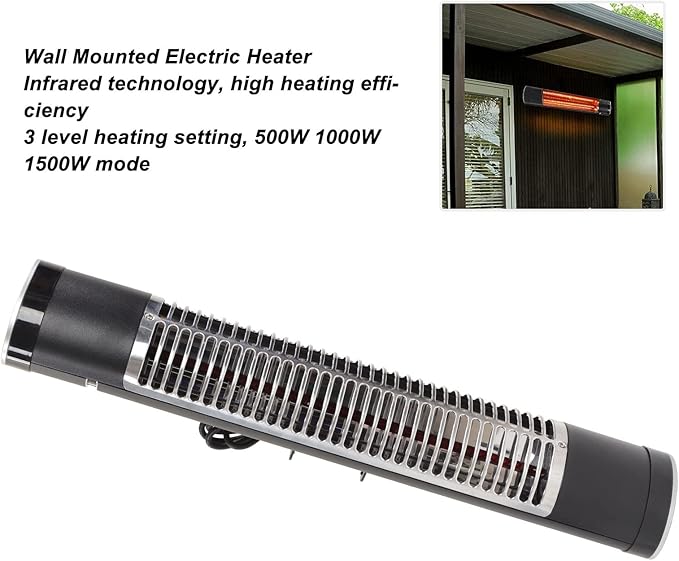
Let’s be honest: bathrooms are a nightmare for electronics. You’ve got thick steam, random splashes, and constant humidity. It’s a recipe for disaster. Most infrared lamps just can’t take it—they oxidize, short out, and burn out way sooner than they should. We got tired of seeing that happen, so we rebuilt our latest series to actually survive the environment. The battle against the fog Here’s the problem: when an infrared lamp heats up, any moisture sitting on the glass turns into steam instantly. If the casing isn’t handled right, that steam creates a fog that traps heat and puts a massive amount of stress on the glass. To stop that, we added a specialized anti-fog coating and tweaked the housing to manage the air pressure around the tube. No condensation. No stress. Just a steady, reliable heat that doesn’t flicker or fade. Dealing with the “Splash Factor” Then there’s the water. If a drop of cold water hits a glowing hot quartz tube, the glass can crack in a heartbeat. It’s called thermal shock, and it’s a killer. We fixed this by adding a reinforced splash-proof shield and heavy-duty seals where the wires meet. By bumping up the IP rating, we’ve basically built a wall between the water and the electrical terminals. No more arc-faults or rusty contact points. The tricky part: Breathing Now, usually, when you seal something up tight to keep water out, you kill the airflow. And if a heater can’t breathe, it overheats. We had to get creative with the internal layout. We shifted things around so the unit can still dissipate heat naturally, but the sensitive electronics stay tucked away in their own safe zone. You get a heater that can take a beating from the shower spray without killing the lamp’s lifespan. One quick tip: if you’re installing these in a high-humidity spot, make sure your circuit breakers are GFCI-protected. The hardware is sealed tight, but you still want your external wiring to play by the safety rules.