




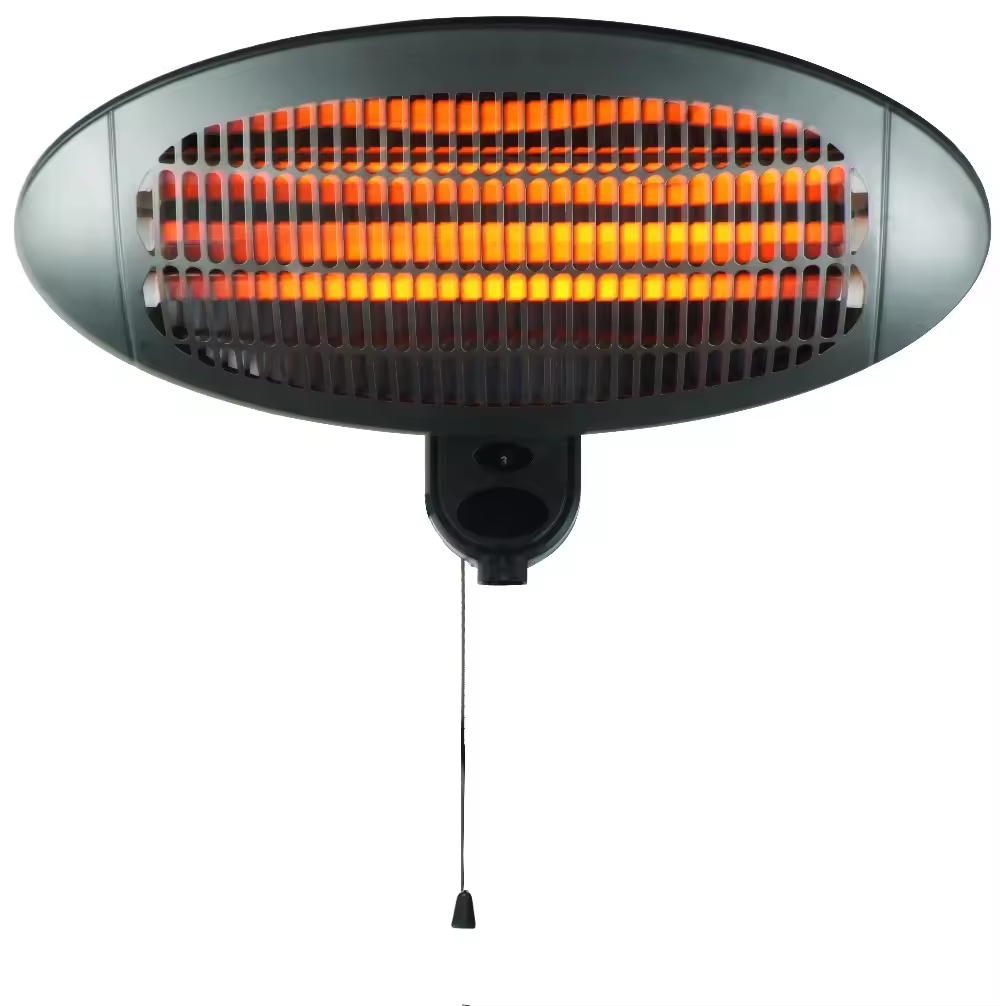
Keeping Things Safe: The Real Deal on IPX4 Infrared Heaters
Putting an infrared heater in a bathroom is a bit like playing a game of risk. You’ve got high heat on one side and constant steam, humidity, and the occasional stray splash of water on the other. Not a great mix. That’s why we build our heaters to an IPX4 standard. In plain English? We make sure they can handle splashes from any angle without turning into a safety hazard.
Stopping the Leak
The goal is simple: keep the water away from the electricity. To do that, we don’t just “seal” things; we use heavy-duty gaskets and dielectric barriers. One of the sneakiest problems is capillary action—where moisture basically “climbs” into the electrical housing. We stop that by using high-temperature silicone seals right where the wiring hits the lamp holder. Then there’s the heating element. It’s wrapped in high-purity quartz, and we add specialized insulators at the ends. This keeps the current exactly where it belongs—inside the filament—even when the glass is covered in condensation.
Heat, Water, and Wear-and-Tear
Here’s the thing: heat makes materials brittle. If your wire insulation cracks because it’s been heating up and cooling down a thousand times, your water protection is gone. We don’t use standard wiring. We use fluoropolymer-coated wires because they can take the heat without melting or degrading. And while a splash-proof case is great, it’s not a magic shield. You still need a rock-solid earth connection. If a component ever fails—which, in the real world, can happen—a proper ground is the only thing that actually keeps you safe.
The Trade-off
Nothing is perfect. When you seal a heater up tight to keep the moisture out, you’re also trapping the heat in. The internal parts can’t “breathe” like they would in an open-frame heater. This means the inside of the unit gets much hotter. Because of that, we have to be really careful with the thermal cut-offs. If they aren’t dialed in just right, the heater might trip and shut off during a long session in a small, steamy bathroom. It’s a balancing act, but it’s the only way to keep the unit both dry and functional.