



Stop Heating the Void: Why Vacuum IR is the Way to Go
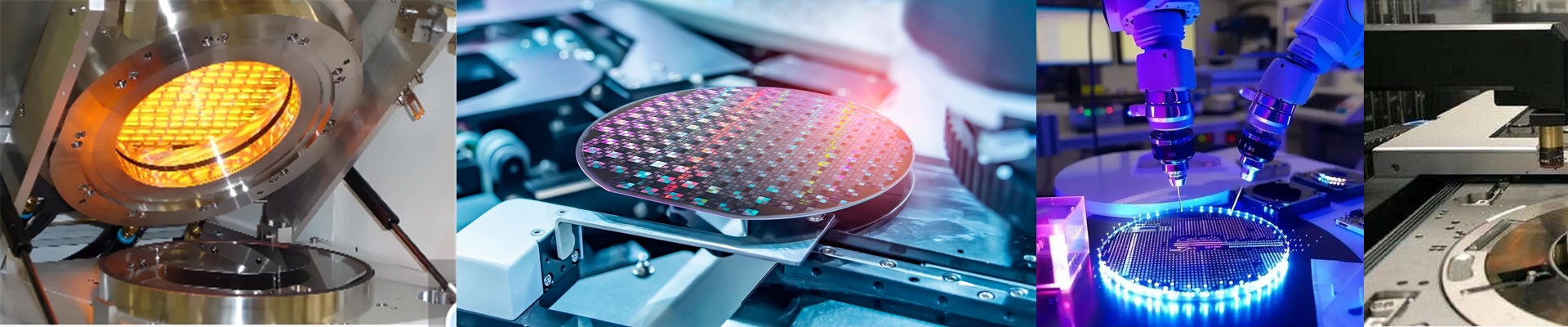
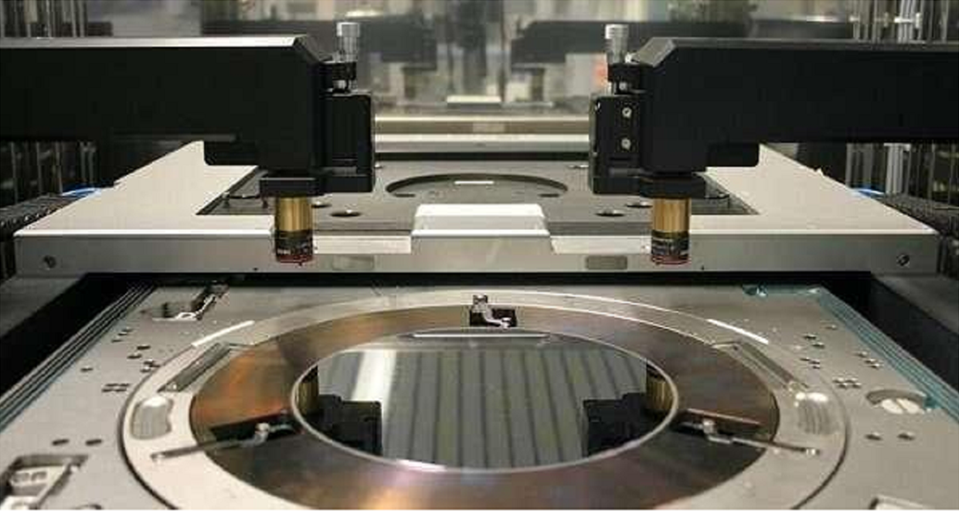
If you’re working in semiconductor deep processing, you’ve probably spent a lot of time staring at a timer, waiting for your chamber to hit the right temperature. Most people stick with hot air circulation because it’s the standard. But here’s the problem: forced convection is slow. You’re basically heating up the air, and then waiting for that air to heat up your wafer. In a vacuum, that’s just a waste of time. That’s why we use vacuum IR lamps. Instead of messing around with a medium, these lamps use electromagnetic radiation to hit the wafer surface directly. It’s a straight shot. The real cost of waiting Think about the physics for a second. With hot air, you have to wait for the chamber to saturate. It’s a slow ramp-up. But with IR? The energy transfer happens almost instantly. It sounds like a small detail, but when you’re running high-volume lines, a few minutes saved per cycle adds up fast. We’re talking about thousands of extra wafers processed every single month. That’s a massive win for your bottom line. Keeping it clean in a vacuum Now, running things in a vacuum adds a layer of difficulty. You can’t just use a fan to keep the lamp housing cool. To fix this, we use specialized quartz envelopes and materials that don’t “outgas.” This keeps your wafers pristine and free of contamination. Plus, you get a ton of heat density in a tiny footprint. You can actually target specific zones on a substrate without having to bake the entire chamber just to get one spot hot. The catch It’s not all magic, though. High-intensity IR is aggressive. It puts a real strain on your power supply and demands a very tight PID control loop. If your sensors are off by even a little bit, you can overshoot your target temperature and fry your wafer before you even realize what happened. You need a feedback loop that reacts as fast as the heat does. But once you have that dialed in? You stop wasting energy on the empty space in your chamber and start putting it exactly where it belongs: on the part.