


Stop Throwing Away Your Bathroom Heaters
Let’s be honest: bathrooms are absolute murder on electronics. Between the thick steam and the constant temperature swings, seals dry out and heating elements eventually just give up. Usually, when a tube dies five years in, you’re stuck. You either spend two hours tearing the whole thing apart or—more likely—you just toss the entire unit in the trash and buy a new one. We thought that was a waste.
The “Plug and Play” Approach
We decided to ditch the messy, hard-wired internals. Instead, we built a chassis that works like a Lego set. The heating elements now sit in their own slots with simple, standard connectors. If a lamp burns out, you don’t have to break out the soldering iron or rewire the whole board. You just slide the dead module out and drop a fresh one in. It turns a grueling afternoon project into a ten-minute fix.
Dealing with Heat and Water
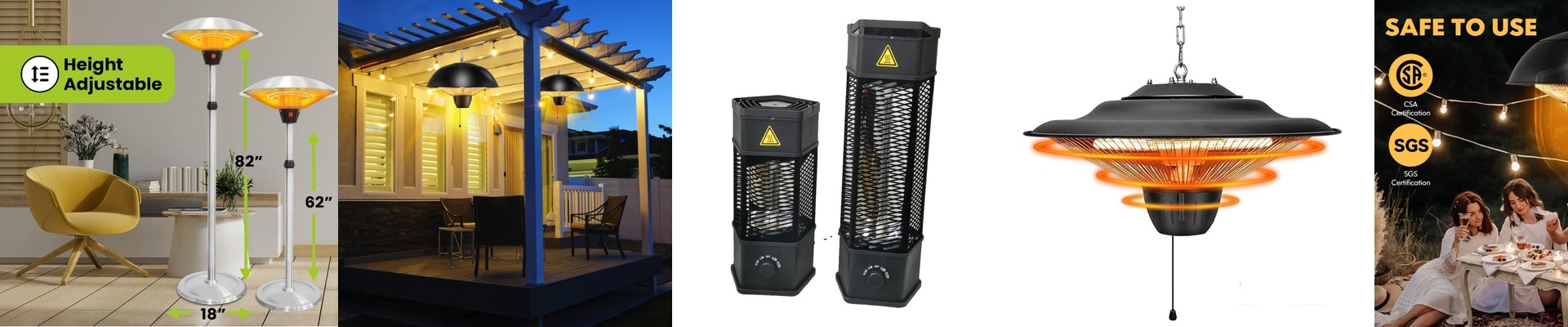
Here’s the tricky part: you want to keep water out, but you need the heat to get out. It’s a tough balance. We solved this by using a sealed housing that keeps the electrical bits safe and dry, but uses a high-transmittance lens so the infrared heat can still blast through. But there’s a catch. High-wattage tubes get incredibly hot. If you don’t vent that heat properly, you’ll end up warping the plastic or tripping the thermal cutoff every five minutes. We spent a lot of time tuning the airflow so the internal electronics stay cool while you’re getting that instant warmth.
Built for the Long Haul
After five years, quartz glass degrades. Filaments get thin. That’s just physics. By making the heating element something you can actually replace in the field, we’ve stopped the “throwaway” cycle. You aren’t scrapping the whole chassis just because one part wore out. You just swap the part that’s tired, and you’re back in business. It keeps the unit small, the costs down, and saves you a trip to the hardware store for a whole new heater.