



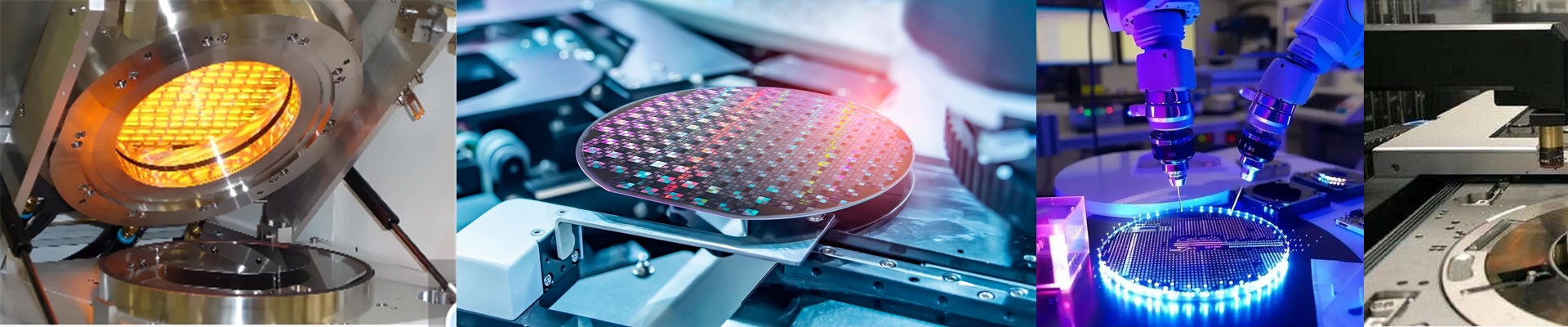
Stop Wasting Heat: Why Gold-Coated Reflectors Actually Matter
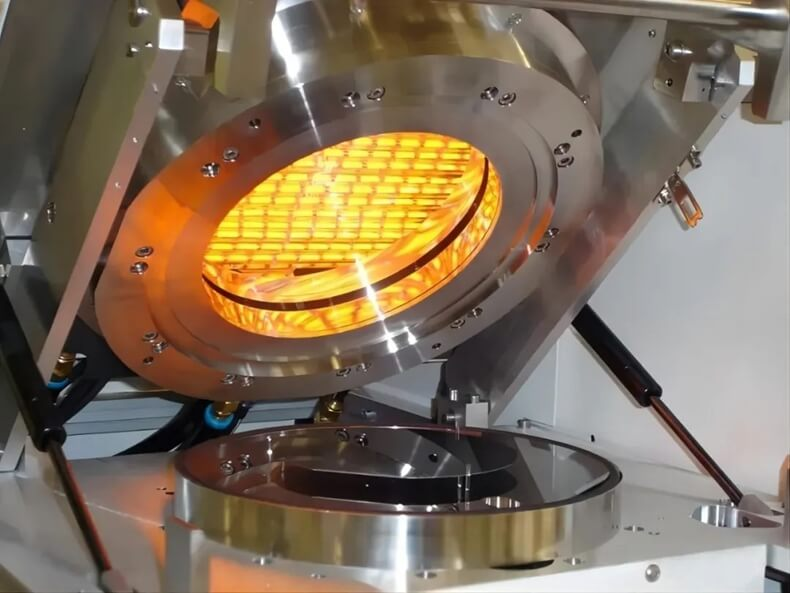
If you’ve spent any time in a clean room, you know the struggle. You’re trying to get those silicon wafers up to temp, but you’re fighting a losing battle with your oven chassis. Every watt that leaks into the walls is just wasted money—and a headache for your HVAC system. The trick is getting the heat exactly where it needs to be: on the substrate. That’s why we pair shortwave infrared lamps with gold-coated reflectors. Why gold? Look, aluminum is the standard, but it’s not great. It absorbs and scatters way too much energy. Gold is different. In the near-infrared spectrum, it’s practically a mirror. Instead of the heat bleeding out into the oven, it bounces straight back toward the wafer. It’s a tighter, more focused beam of energy. The “Crank it Up” Trap It’s tempting to just bump up the wattage when you aren’t hitting your numbers. But that’s a recipe for disaster. Too much power density usually leads to thermal hotspots, and nobody wants a ruined batch of wafers. With gold reflectors, you can actuallyturn the power downand still hit your target temperatures. Your cooling systems will thank you. The Catch Now, gold isn’t perfect. It’s expensive, obviously. And it’s soft. If your maintenance team is rough with the equipment during lamp swaps, they can scratch the coating. A few scratches might not seem like a big deal, but they create “dark spots” in your heat map. Suddenly, your curing is uneven, and you’re back to square one. Getting it Running The good news is that these are designed to be drop-in replacements for your existing IR arrays. You’ll notice the ramp-up times get faster and the thermal profile gets much sharper. Just a heads-up: since the system responds so much faster now, you’ll probably want to tweak your PID controllers to keep everything stable.