

Why we put our bathroom lamps through hell
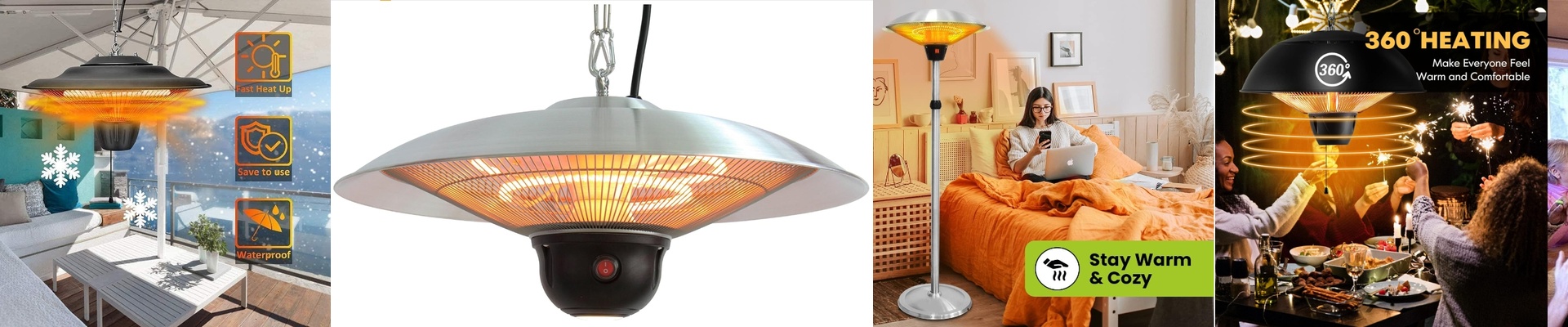
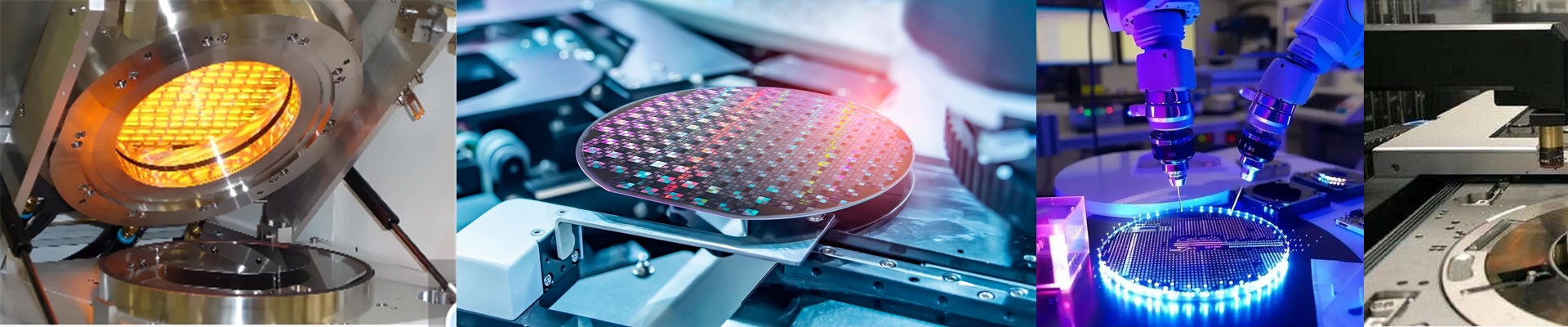
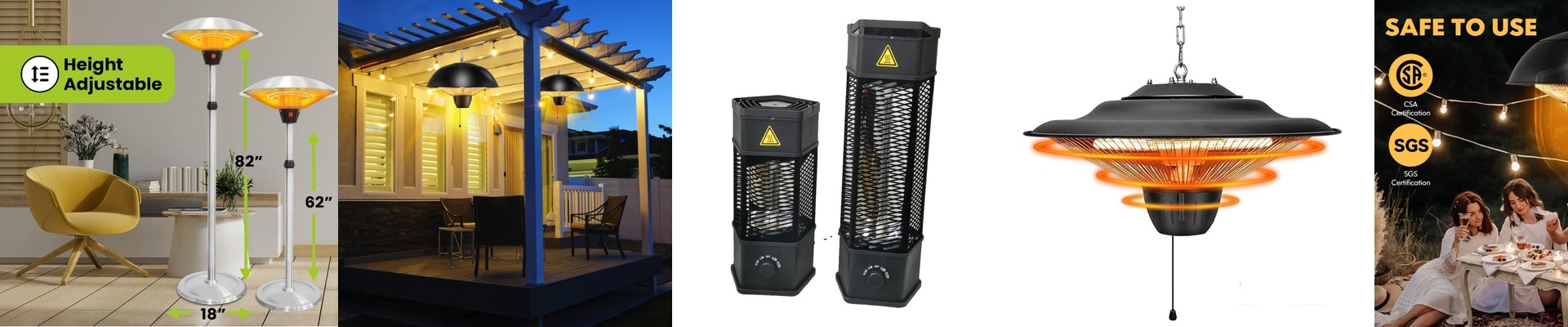
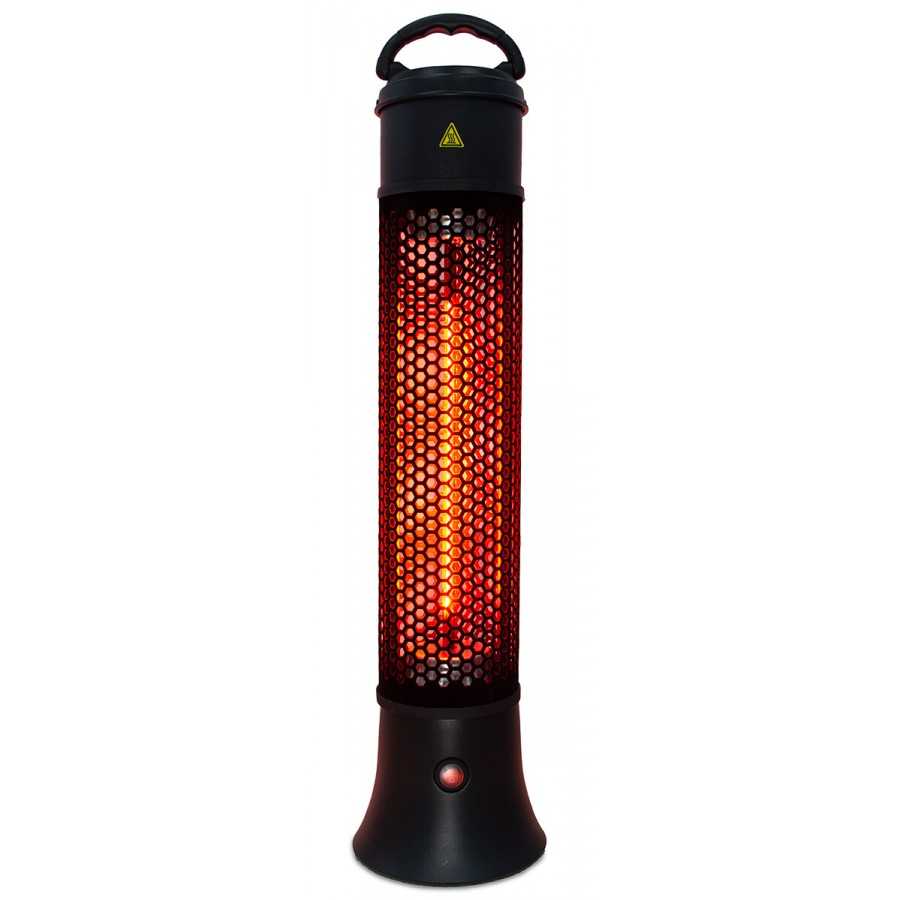
When we design infrared lamps for bathrooms or patios, we aren’t just fighting a chilly morning. We’re fighting steam. Think about it. In a bathroom, these lamps go through a brutal routine. One minute they’re off, the next they’re screaming hot, all while being blasted by thick, humid air. It’s a recipe for disaster if you aren’t careful. The battle against the steam Here’s the thing: quartz glass and tungsten filaments are picky. If even a tiny bit of moisture sneaks past the seal, the filament pops the second you flip the switch. To stop that from happening, we use “damp-heat aging.” Basically, we lock the lamps in a chamber that mimics years of humidity and temperature swings, but we cram it all into a few weeks. We cycle them on and off, over and over. We want the weak seals to fail in our lab. Because the only place a lamp should ever break is on our workbench, not in your customer’s ceiling. It’s all in the joints A “waterproof” label on a box doesn’t mean much if the details are wrong. We spend most of our time obsessing over the junction points—right where the wiring meets the lamp. We use specific silicone seals and high-temp gaskets to keep the vapor out. If those fail, you get corrosion. Then you get arcing. It’s ugly and dangerous. Our tests make sure those materials don’t crack or degrade while the lamp expands and contracts every time it heats up. The heat trade-off Pushing a ton of wattage into a small space creates some serious heat density. Over time, that can make the glass brittle. We’ve optimized these for maximum heat, but there’s a catch. You’ve got to make sure your fixture’s ventilation is actually handled correctly. If you trap too much heat around the housing, even the toughest seal will eventually give up. We push our lamps to the absolute limit during testing. That way, you know exactly where the breaking point is before it ever leaves the factory.