



Why UHP Infrared Curing is the Smart Move for Green Semi-Fab
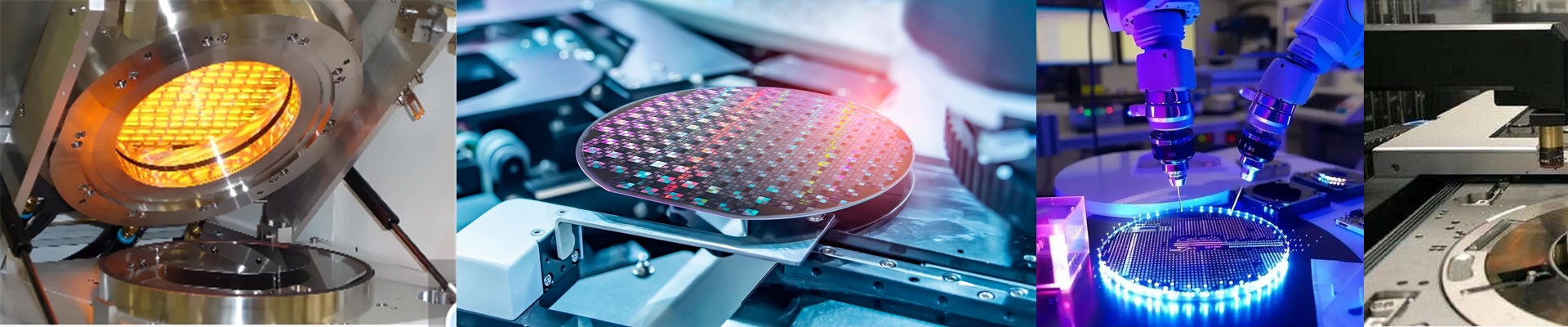
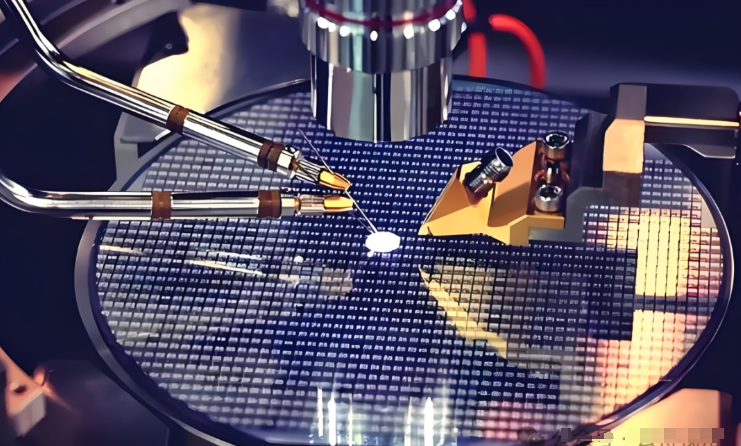
The semiconductor world is under a lot of pressure to go lead-free and cut down on carbon. It’s a tough balance. But if you’re looking for a way to hit those environmental goals without killing your throughput, UHP (Ultra High Purity) infrared lamps are where it’s at. Basically, we’re talking about swapping out those clunky convection ovens for direct radiant energy. Stop heating the air Think about how a standard oven works. You heat up the air, then the air heats the wafer. It’s slow. It’s wasteful. It feels like trying to warm up a room by heating the hallway first. UHP lamps don’t bother with the middleman. They shoot short-wave infrared radiation straight into the substrate. It’s fast. Really fast. Because you aren’t trying to bake the entire chamber just to get a few wafers to temperature, your power bills drop and your ramp-up times shrink. The “Ultra High Purity” part When you’re working with silicon wafers, the last thing you want is some random metallic ion or a stray organic compound drifting onto your product. That’s why we use high-grade synthetic quartz. It stays clean. No outgassing, no contamination. The cool part? We can tune the wavelength. You can dial in the exact spectrum you need to cure photoresists or dry out solvents without accidentally frying the delicate circuitry underneath. It’s a surgical strike instead of a sledgehammer. Dealing with lead-free materials Here’s the catch: moving to lead-free solders usually means you need higher temperatures and a much tighter thermal profile. It’s a demanding process. UHP lamps handle this easily because they pack a ton of heat density into a tiny footprint. You get the thermal punch you need without needing a massive, gas-fired oven taking up half your floor space. One quick heads-up, though. These lamps get hot—especially at the terminals. If you don’t get your cooling fans and heat sinks right, you’re going to end up with melted sockets or drifting electronics. Don’t skimp on the cooling. A cleaner way to work The best part is the lack of mess. No combustion byproducts. No CO2 leaking from gas lines. No old-school CFCs. You just plug these into your existing electrical grid and the energy goes exactly where it belongs: into the product. It’s probably the cleanest way to hit those strict thermal specs without compromising the planet.