

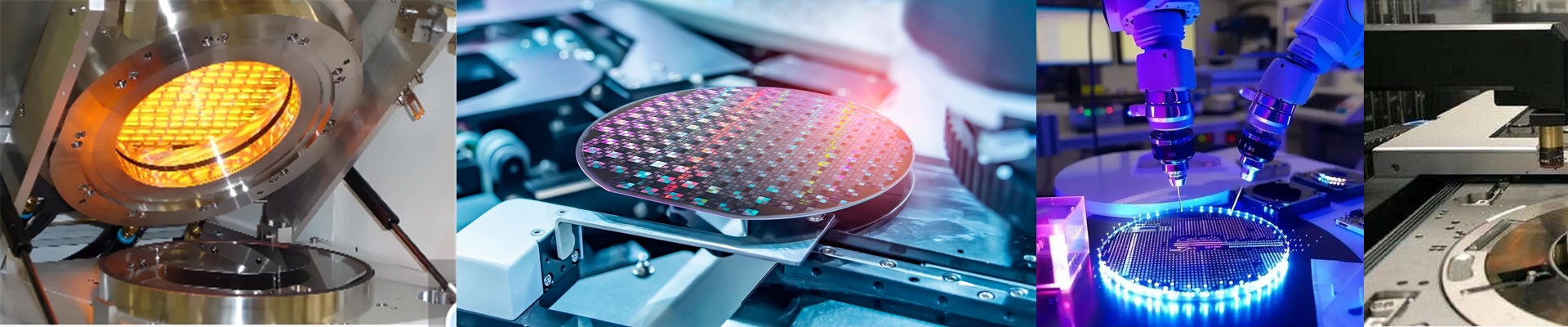
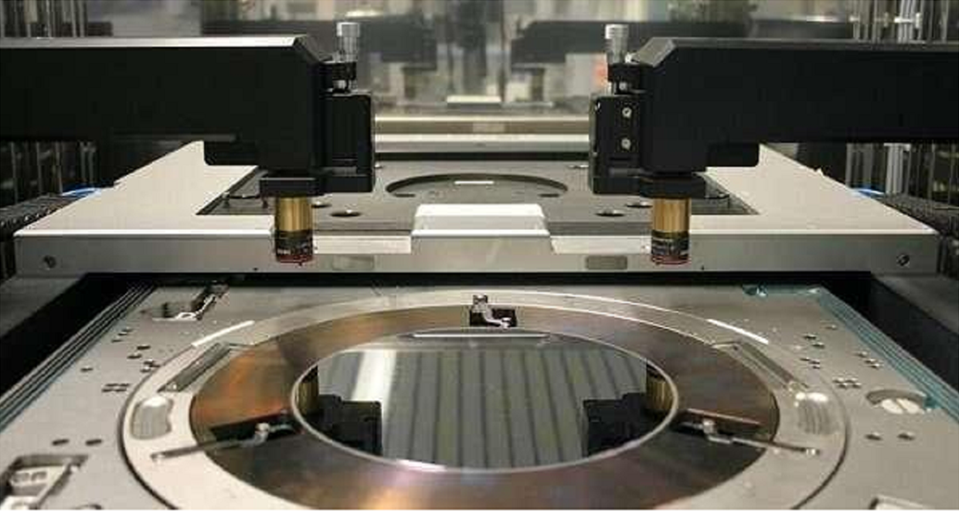
On the fab floor, every wafer has a thermal budget, and you can’t go over it. Soft bake or hard bake drift by even a fraction of a degree, and you’re looking at linewidth variation, scumming, and yield bleeding away. The price of an infrared wafer heater lamp isn’t just what you pay on the PO. It’s what you pay for process stability. What matters technically Our infrared heater lamps keep thermal uniformity within sub-millimeter across the wafer plane, and in production bake profiles we typically hold temperature variation within ±0.1°C. You get that precision by matching the NIR spectrum to photoresist absorption, so you heat fast, contactless, with repeatable ramp rates. The system is built for cleanroom use from Class 1 to Class 100, and it generates zero particles while it runs. Reliability is proven in continuous duty—units hit 5,000+ hours with under 5% output drop, which means fewer unplanned stops and fewer lamp changes. Why it works where it matters In lithography tracks and coat/bake modules, temperature control is the knob that directly touches photoresist thickness, adhesion, and CD control. Tighter thermal repeatability cuts scrap, speeds up qualification, and trims energy per wafer because you stop compensating with over-bake. The lamp’s fast thermal response also shrinks idle time between batches, so you push throughput without piling more thermal load onto the chamber. Things to keep straight The lamp performs best when it matches the tool’s voltage, connector, and aperture geometry. Installation comes down to precise optical alignment and calibrating the pyrometer to the heated zone—skip that, and setpoint drift will show up as a uniformity error. Plan a tight integration window with your equipment vendor to tune bake profiles and get the thermal feedback loops lined up.