

Making Your Patio Warm (And Smart) Without the Headache
When we build our infrared heaters, we’re thinking about the real world. Rain happens. Dust flies. That’s why we use an IP55 rating. In plain English? It means your heaters can handle a splash of rain or a dusty breeze without freaking out or short-circuiting. You can mount them right out in the open and actually relax during a storm instead of rushing outside to unplug everything.
Heat That Actually Hits You
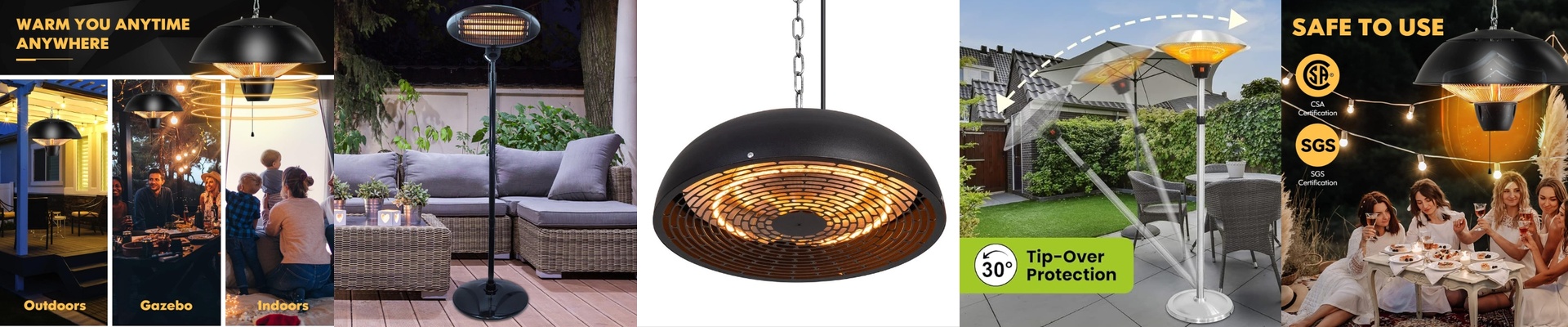
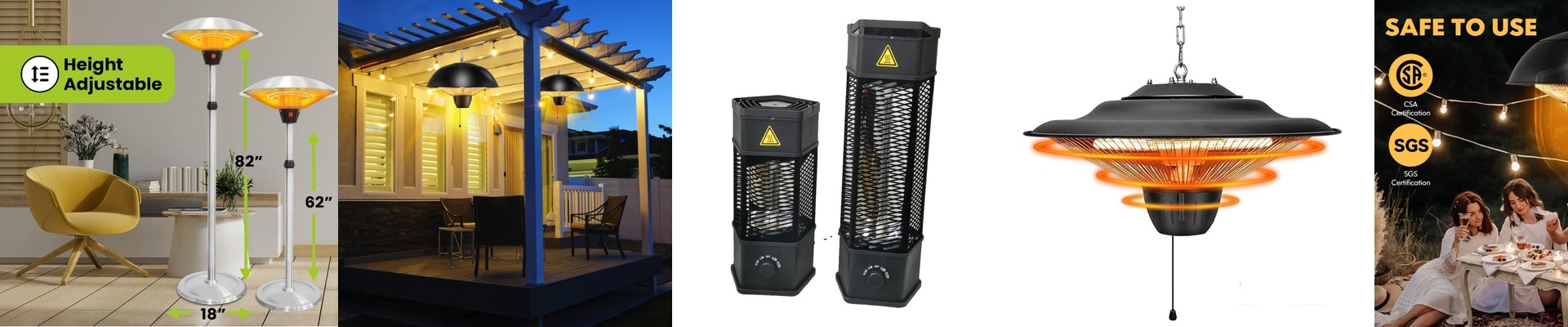
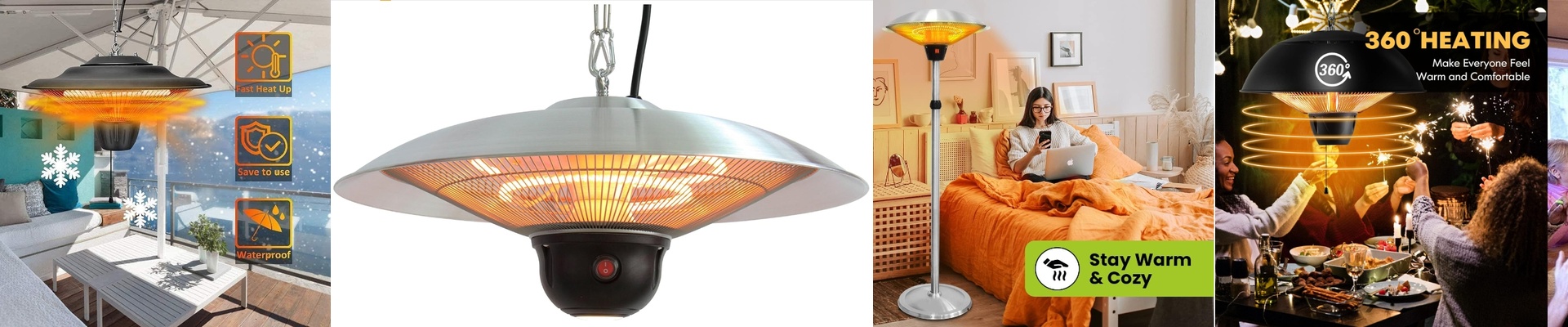
Most heaters try to warm up the air, which is a losing battle outdoors because the wind just blows the heat away. Our heaters do things differently. They use short-wave infrared radiation. Instead of fighting the wind, they beam heat directly onto you, your guests, and your furniture. We use quartz tubes that get hot in seconds. No waiting around. No “warming up” period. The relay clicks, and you feel the heat instantly. It’s like stepping into a patch of sunlight on a cold day.
Getting Them “Smart”
Now, if you want to control these from your phone or a voice assistant, you can’t just use a flimsy little plug. These heaters pull a lot of power—anywhere from 1500W to 3000W. You need a heavy-duty smart relay or actuator that can handle that kind of load without melting. I usually suggest going with Zigbee or Matter controllers. They play nice with most central hubs. Once that’s set up, you can create a “Winter Mode.” One tap, and the relays snap shut, the elements glow, and your patio goes from freezing to cozy before you’ve even finished your drink.
A Few Warnings (The Boring But Important Stuff)
Here is the thing: high wattage means high current. Don’t skimp on your wiring. If you use thin wires over a long run to the edge of your patio, you’ll lose power. Worse, if you plug these into a cheap smart plug that isn’t rated for constant high amperage, you’re going to burn out the internals. Do yourself a favor and put these on a dedicated circuit. It’s the only way to make sure you don’t trip your main breaker right in the middle of a party.