

Stopping the Nightmare of Lamp Bursts in MEMS Drying
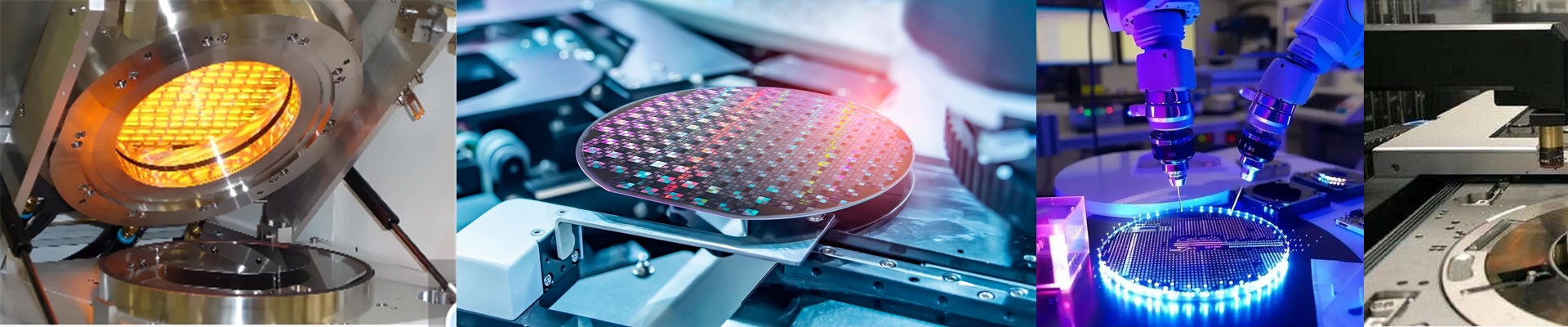
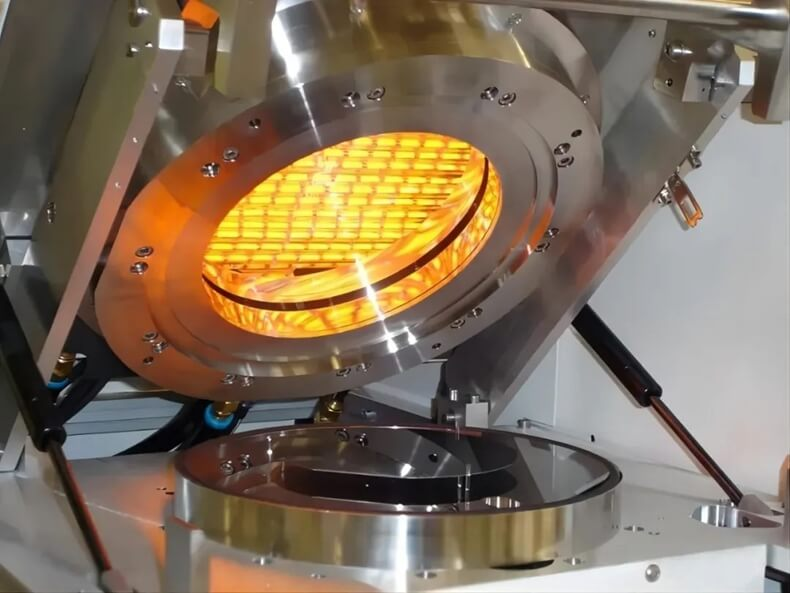
If you’ve ever worked in a high-load production environment, you know the stress. But nothing beats the gut-punch of an IR lamp bursting during MEMS wafer drying. It’s not just about the line stopping. It’s the aftermath. You’ve got quartz shards and tungsten filaments raining down on your wafers. It’s a total disaster. We’ve spent a lot of time figuring out how to make sure that simply never happens to you. Building them to last Most lamps pop because of “hot spots” or stress right at the pinch seal. It’s usually just uneven expansion—the glass can’t keep up with the heat, and it snaps. To fix this, we use high-purity fused quartz with thicker walls. We also obsess over the filament centering. By keeping the heat distribution uniform across the tube, the glass doesn’t freak out under pressure. It just works. Keeping the mess out Even with the best build, we believe in a backup plan. We design our heaters to slide right into protective quartz sleeves or specialized guards. Think of it as an insurance policy. If a tube ever does fail, the guard catches the debris before it can touch your wafers. Then there’s the electrical side of things. We’ve seen too many lamps melt because of loose connections causing arcs. It’s a messy way to fail. We use precision-fit connectors to keep that bond tight, which kills those electrical hotspots before they start. The real-world trade-offs Here is the honest truth: high-wattage shortwave lamps are beasts. They give you the heat density you need for fast drying, but they put out a massive amount of radiant heat. You can’t just crank these to the max and hope for the best. You need a cooling system that can actually handle the load. If your airflow is weak, the heat soak will eat your seals and kill the lamp’s lifespan. My advice? Keep a close eye on your housing temperature. And tell your maintenance crew to check the terminal tension every 500 hours. It takes a minute, but it saves you from a catastrophic failure.