
Why you can’t cut corners with quartz in wet areas
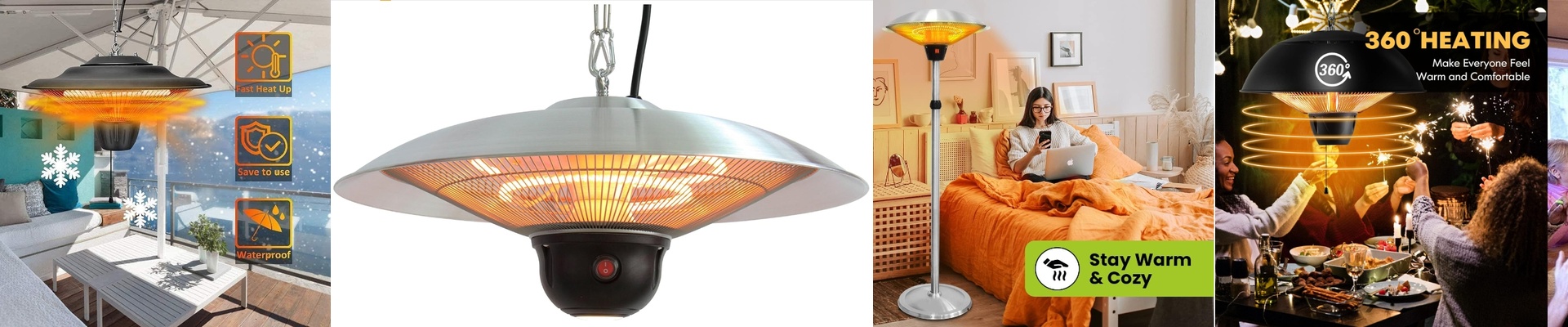
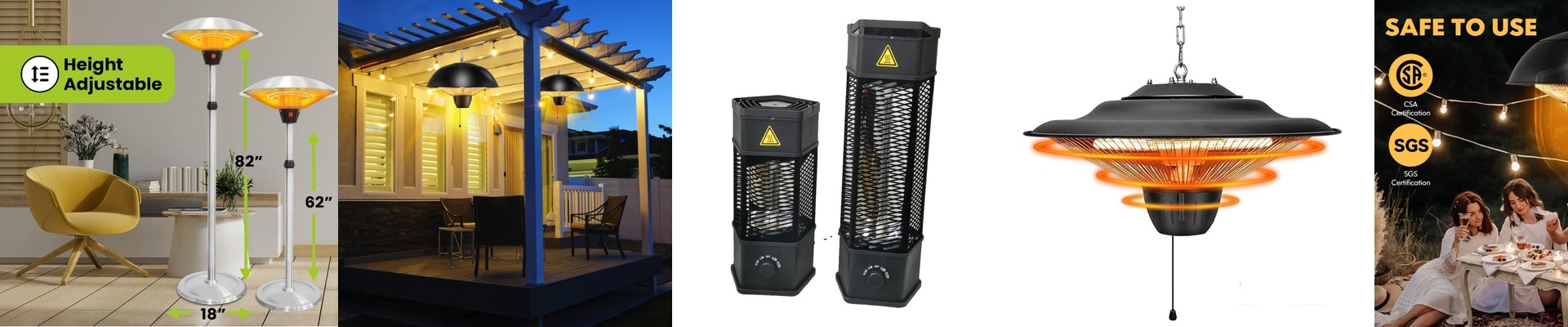
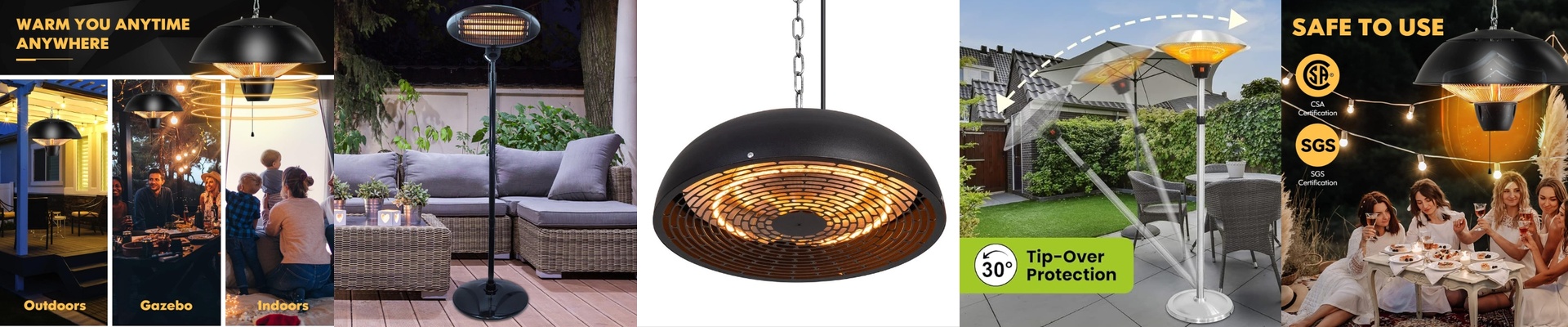
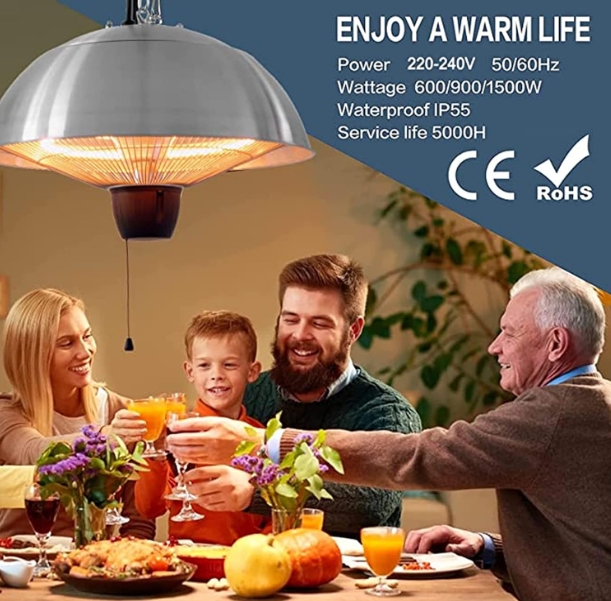
If you’re putting infrared heaters in a bathroom or under a pergola, you’re basically throwing your hardware into a war zone. You’ve got wild temperature swings and moisture everywhere. Standard quartz tubes just can’t hack it. They’ll crack. Period. Here’s the thing: it all comes down to thermal shock. Imagine a lamp glowing at 600°C. Now imagine a single, cold drop of water hitting that surface. The glass contracts so fast and so violently that standard glass just gives up and shatters. It’s not a slow break; it’s an explosion. That’s why we use explosion-proof quartz. It’s built to take those sudden temperature plunges without blowing apart. And it’s not just about the glass not breaking—it’s about staying alive. We use high-purity silica because it doesn’t degrade when things get humid. Think about the alternative: a broken tube means live electrical filaments are now exposed in a wet room. That is a recipe for disaster. The explosion-proof glass acts as a shield, keeping the electricity where it belongs and away from you, even if a stray splash of water hits the lamp. Now, let’s be honest. These tubes are tough, but they aren’t magic. They can handle the heat and the water, but a hard physical hit will still break them. If you’re installing these where people are moving around or things get bumped, get a protective cage. You might also notice that because the glass is a bit thicker, it takes a tiny bit longer to heat up than those thin lab tubes you see in textbooks. It’s a small trade-off, but it’s one you’ll be glad you made the first time a cold rain hits your patio. One last tip: wire these into a GFCI-protected circuit. Even with the best glass in the world, your electrical board needs to be ready for a wet environment. Just stay safe.