

Don’t Let Your Heaters Pop: A Guide to Wet-Zone Infrared Lamps
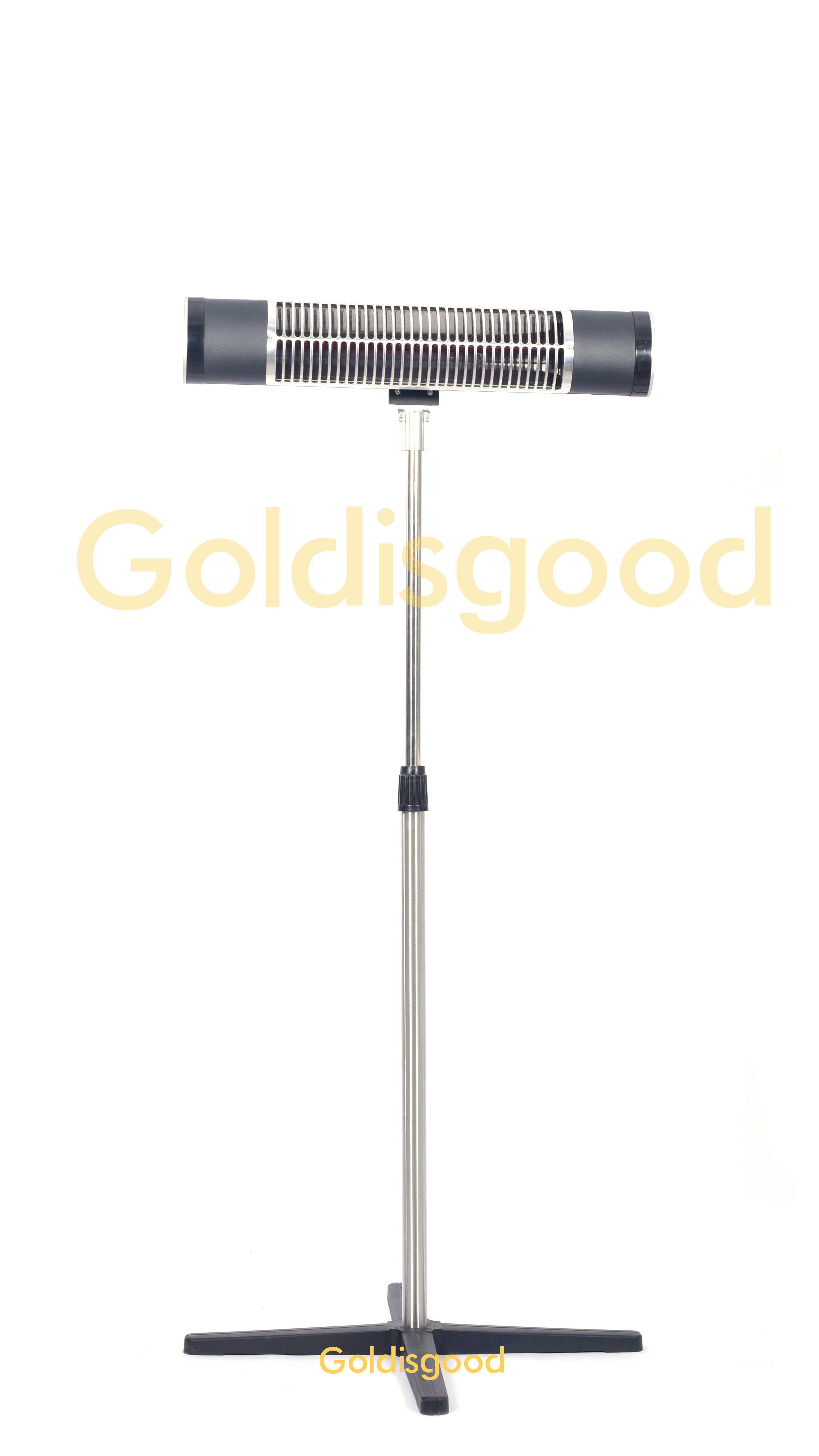
If you’ve ever put infrared heating in a bathroom or a barn, you know the deal. Water isn’t just a possibility—it’s going to happen. Here’s the problem: standard quartz tubes hate water. If a few cold drops hit a searing hot bulb, the glass panics. It’s called thermal shock. The tube cracks, the filament dies, and your heater is basically a piece of trash in about two seconds. The “Explosion-Proof” Secret To stop that from happening, we use a specific kind of explosion-proof quartz. It sounds intense, but it basically just means the glass is tough enough to handle wild temperature swings. While a cheap bulb would shatter into a million pieces the moment it gets splashed, this stuff holds its own. We even treat the surface so that if a tiny crack does happen, the whole thing doesn’t just explode over your head. It stays together. Why It Actually Works These lamps use short-wave infrared radiation. In plain English? They don’t waste time trying to warm up the air around them. The quartz shell protects the tungsten filament, letting it get hot enough to beam heat directly onto you (or your livestock). It feels like standing in the sun on a winter day. It’s fast. Really fast. And that’s why it’s the best bet for drafty rooms or damp spaces where traditional heaters just struggle. A Few Things to Watch Out For You can’t just hang these bulbs on a wire and call it a day. Since you’re dealing with water, you need a proper IP-rated housing. You want a sealed fixture so your sockets don’t rust out and leave you with a dead circuit. Also, a heads-up on the power: these things are thirsty. High-wattage quartz lamps pull a lot of current. If you’re plugging in five or six of these on one line, your breaker is probably going to trip before the room even gets warm. Just make sure your electrical setup can actually handle the load. It’s a fair trade—you get instant, massive heat, but you’ve got to make sure your wiring is up to the task.