

Why Your “Waterproof” Heater Might Actually Be a Ticking Time Bomb
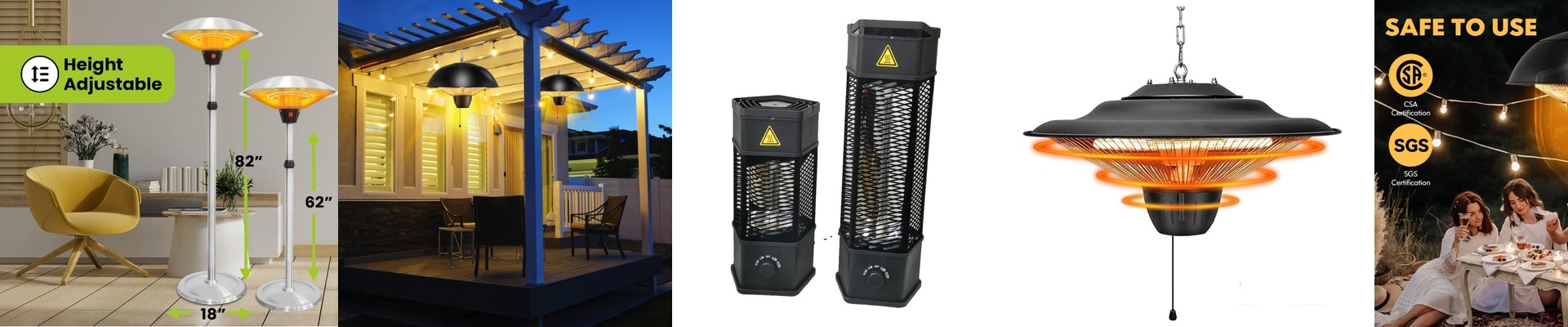
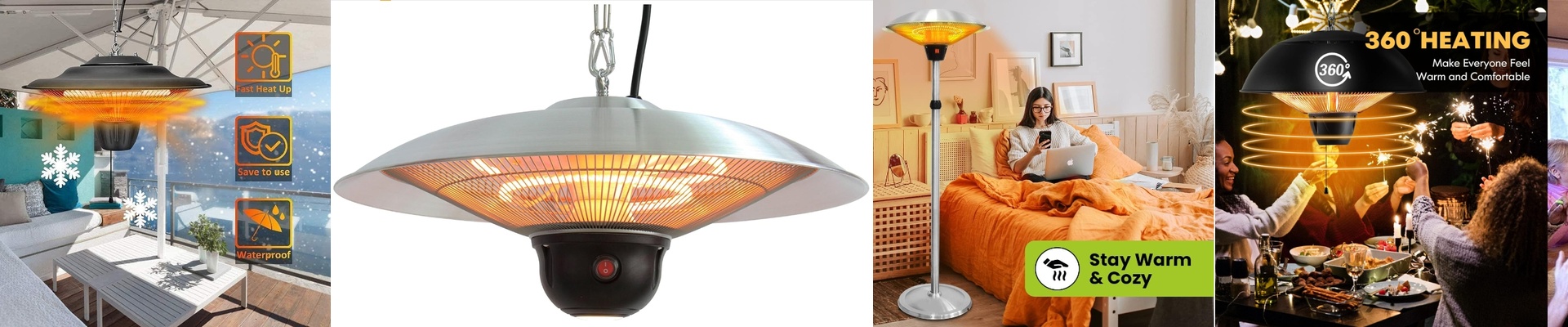
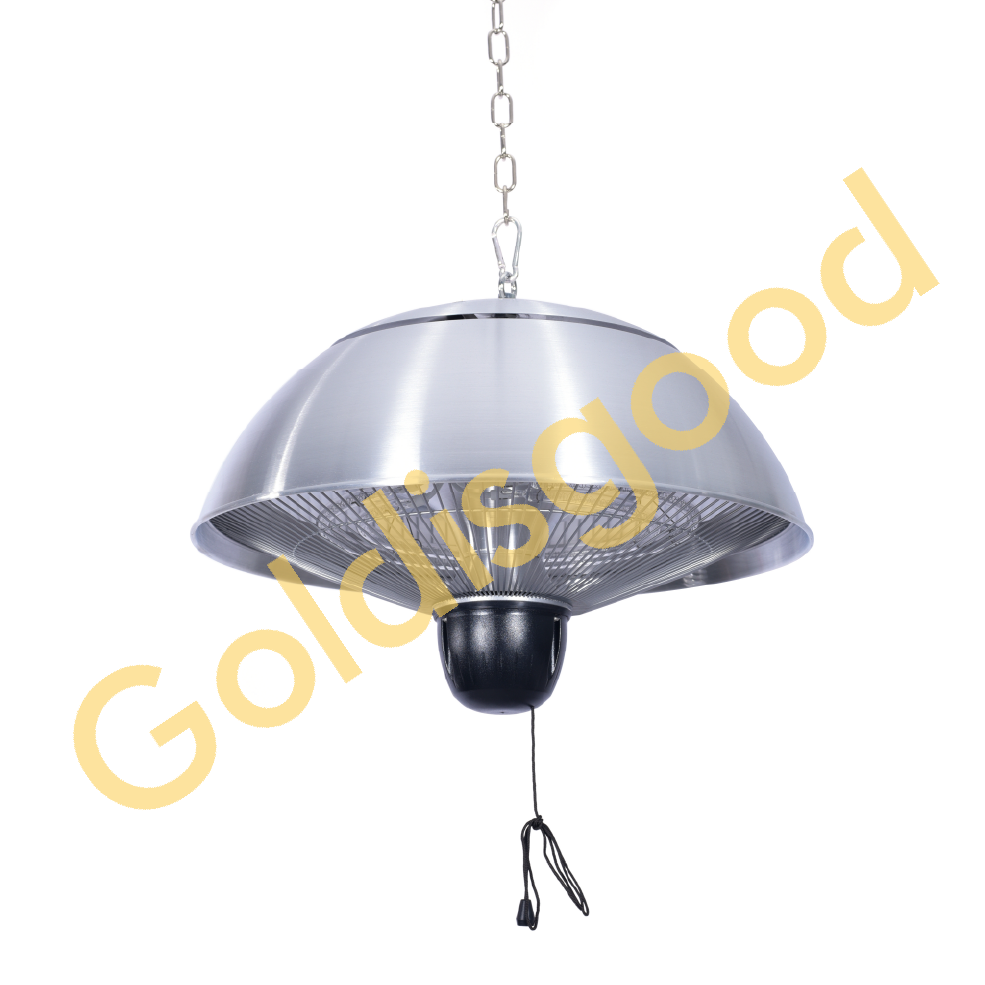
Here’s the thing about IP55 table heaters: a lot of them look great on a spec sheet, but they fall apart the moment things actually get hot. Most people look at the chassis and think they’re safe. But the real danger? It’s where the wires enter the unit. When you’re working with infrared heat, you’re dealing with constant thermal cycling. The metal expands. It contracts. It happens over and over. Cheap seals just can’t handle that stress—they crack. And once there’s a tiny crack, moisture finds its way in. That’s usually when you get a short circuit. The problem with “standard” parts Basic rubber gaskets just don’t cut it here. We use high-grade silicone or fluoropolymer seals because they can take a beating without turning brittle. Think about it: when a cheap seal ages, it shrinks. That creates a gap. In a wet environment, water doesn’t just sit there—it actually gets sucked straight into the electrical terminals through capillary action. A lot of generic heaters are just slapped together with basic glue or low-temp resins. Those burn out after a few hundred hours. We go with OEM-grade potting and compression seals. It keeps the wires locked tight, even when the heater is screaming hot. Stopping the slow burn A short circuit in these heaters rarely happens all at once. It’s more of a slow fade. Moisture mixes with dust, creating a conductive path across the terminals. Then you get arcing. It’s messy and dangerous. To stop that, the seal has to be airtight and chemically stable. We make sure the seal stays stretchy and flexible even at max temperature. Because let’s be honest: if the seal fails, that IP55 rating is just a piece of paper. One quick heads-up There is a trade-off. Because these seals are so heavy-duty, the wires feel stiffer. You can’t bend them in a tight loop like you would with a cheap, non-waterproof unit. Just make sure you leave some slack in your wiring loom. If you pull the wires too tight, you’ll rip the gasket right out of the housing, and you’re back to square one.