

Why we put our bathroom lamps through the “steam chamber”
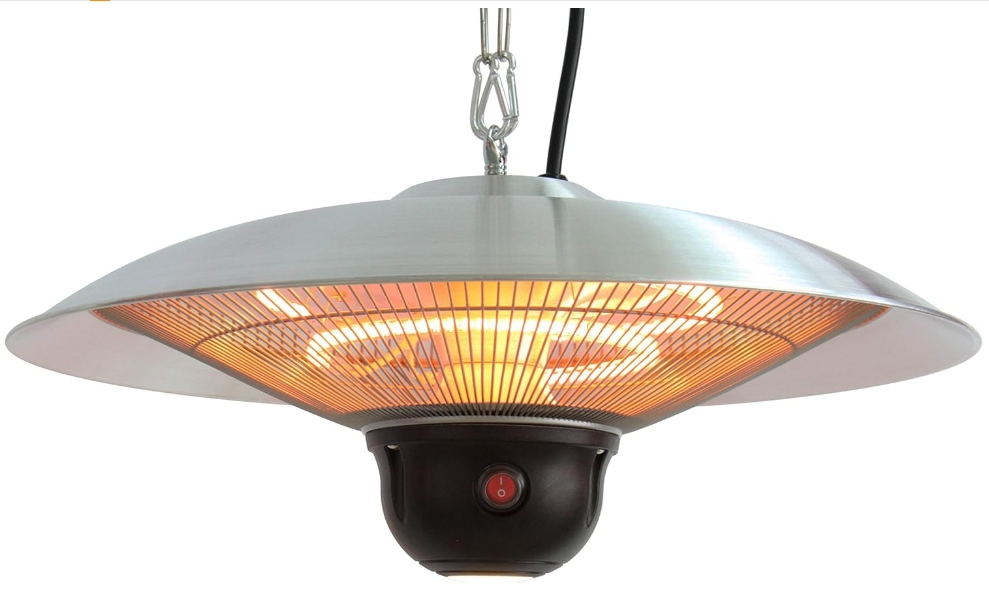
Let’s be honest: bathrooms are a nightmare for electronics. You’ve got thick steam, wild temperature swings, and constant moisture hanging in the air. It’s a recipe for disaster. That’s why we don’t just build these lamps and toss them in a box. We put every single batch through something called damp heat aging. Basically, we try to break them before they ever leave our warehouse. The battle against moisture Here is how it works: an infrared lamp is basically a tungsten filament tucked inside a quartz tube. As long as that seal holds, everything is great. But the second a tiny bit of moisture or oxygen sneaks in? Pop. The lamp is dead. In a real bathroom, steam finds every little gap it can. To get ahead of that, we throw our lamps into high-humidity chambers and crank up the heat. It’s a stress test. If a seal is going to fail, we want it to happen in our lab, not in your customer’s ceiling. Watching the weak spots Most of the time, the trouble starts where the wiring meets the quartz tube. That’s where corrosion loves to hang out. We keep a close eye on “creepage”—which is just a fancy way of saying electricity trying to leak across the insulator because of the dampness. If the resistance drops even a little bit, or if we see any pitting or rust on the contacts, we scrap the unit. No exceptions. The cost of doing it right Now, we could use cheaper seals and skip the aging process. A lot of companies do. Those lamps look great on day one, and they’ll probably work for a month. But then the humidity wins, and the lamp burns out. We use high-grade quartz and specialized sealants. Yeah, it costs more. It also means our production takes a bit longer. But it’s worth it. You get a lamp that actually survives the steam, and your installation team doesn’t have to waste their week driving back to the same house to replace a dead bulb. We’d rather take the hit on the lead time than give you a product that can’t handle a hot shower.