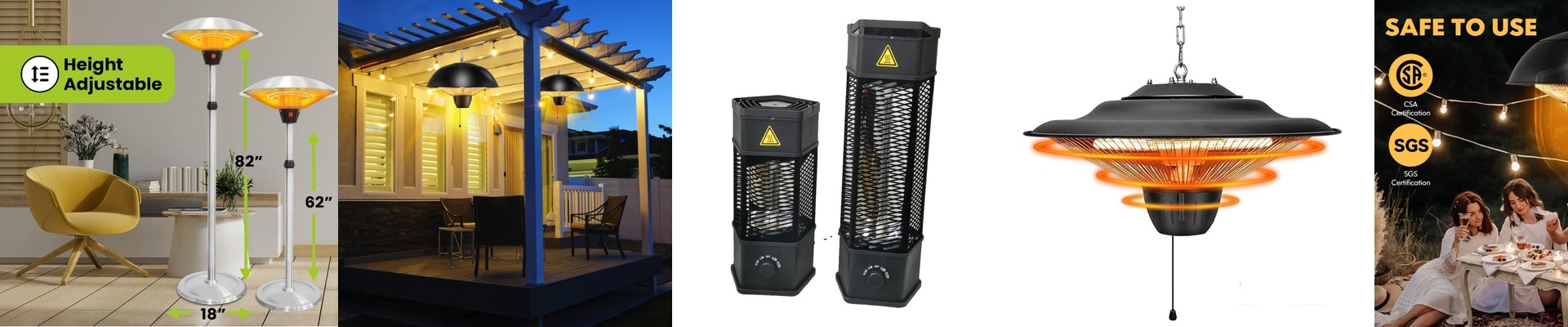

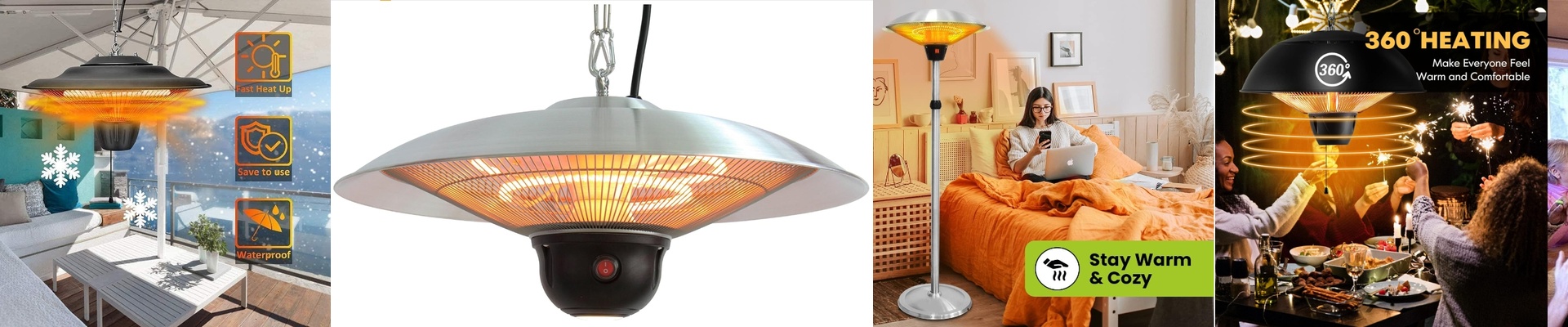

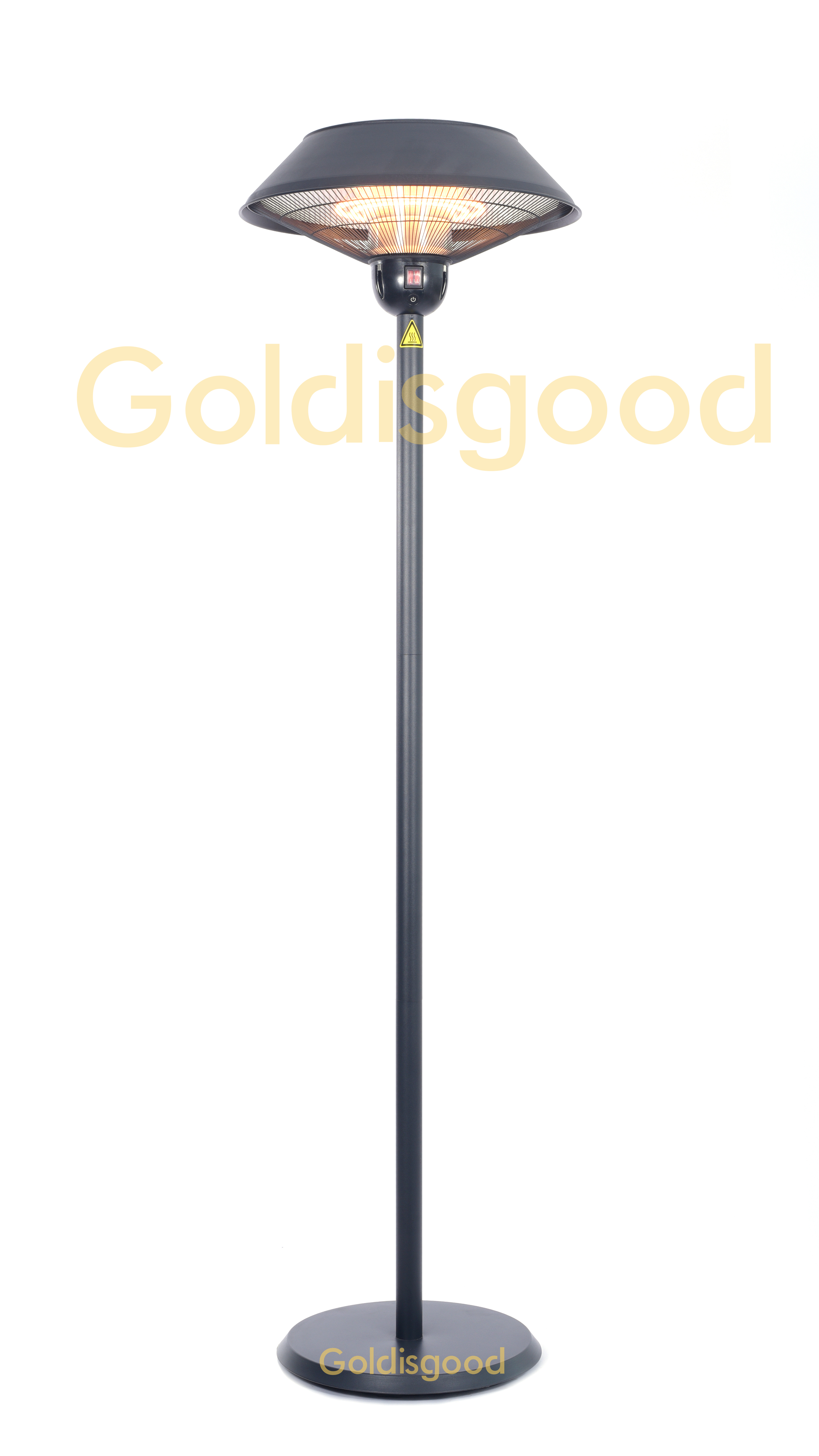
Keeping Your Outdoor Infrared Heaters Running (Without the Headache)
Outdoor heaters have a tough life. They’re constantly fighting off rain, wind, and grime. We build our IP66 heaters to keep the water out, but here’s the real problem: eventually, a heating element is going to burn out. Maybe it takes five years, maybe less. When that happens, most people are in for a bad day.
Stop fighting with the chassis
Most waterproof heaters are basically sealed boxes. If one tube goes, you’re usually stuck choosing between tossing the whole thing in the trash or spending an entire afternoon wrestling with gaskets and messy silicone. It’s frustrating. We decided to do things differently. We put the heating elements in their own independent cassettes. Instead of tearing the whole machine apart, you just pull the module, unplug it, and pop in a new one. It turns a grueling day of teardown into about fifteen minutes of work.Fast. Simple. Done.
The truth about those seals
Staying waterproof (that IP66 rating) means everything has to fit perfectly. But when you make things modular, those connection points can become the “weak spot.” To fix that, we use reinforced cable glands and compression-fit gaskets. They grip tight. One quick tip: if you’re swapping modules a lot, those O-rings will eventually wear down. I’d suggest replacing them every three swaps. It’s a small detail, but it’s the difference between a dry heater and a soggy mess during a heavy rainstorm.
Saving your sanity (and your budget)
If you’re managing a facility, you know that the actual price of the heater isn’t the real cost. The real killer is the labor. You don’t want to have to call in a specialized electrical team every time a single tube fails. With a modular setup, your technician can just toss a few spare tubes in their kit and fix the problem on the spot. No drama, no huge invoices. It just becomes another routine part swap.