

Getting a Grip on Heat in the Smart Fab
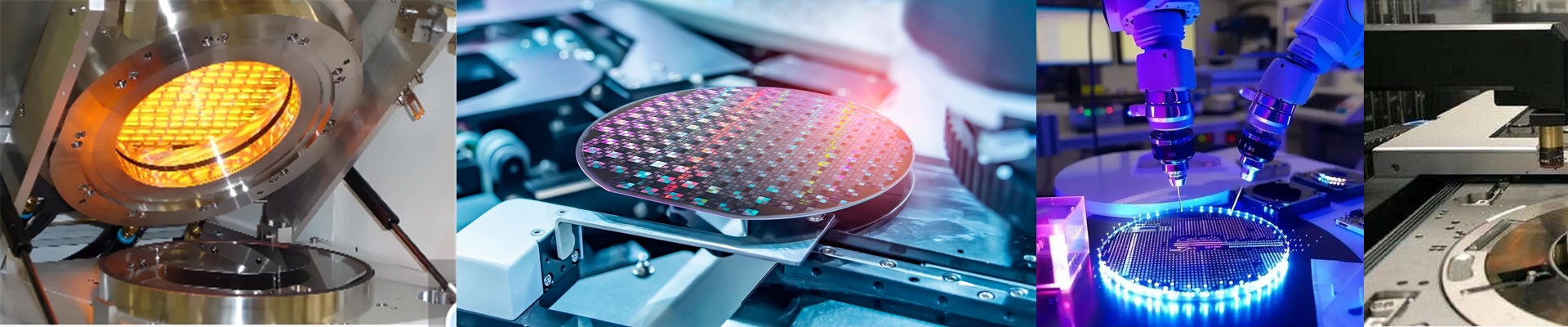
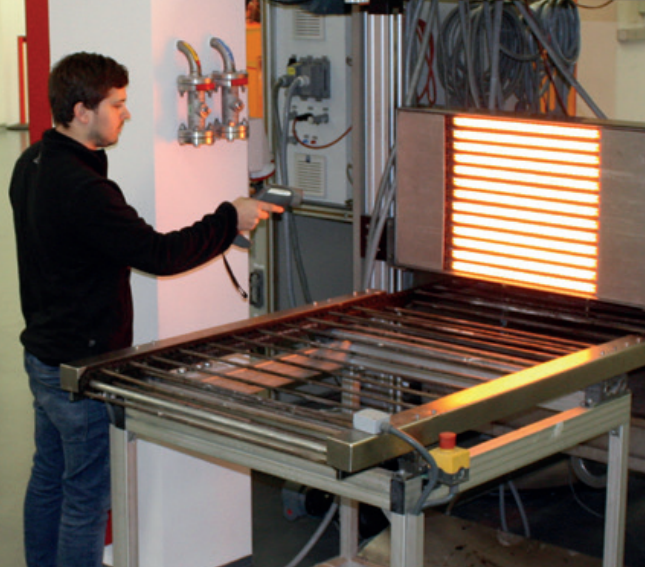
Building a smart Fab isn’t just about throwing a bunch of sensors at your tools and hoping for the best. It’s really about changing how you actually look at heat. For wafer processing, we’ve moved toward non-contact infrared (IR) systems. The beauty of IR is that it doesn’t touch the wafer. No touching means no contamination. Plus, you don’t have to worry about the sensor acting like a heat sink and messing up your readings. It just watches from a distance.
Mapping the Heat digitally
Here is how it actually works: the IR system picks up the radiation coming off the wafer surface. In a modern setup, we turn that raw thermal energy into a data stream that your PLC or SCADA system can actually understand. It happens fast. Like, milliseconds fast. You can spot a “hot spot” across a 300mm wafer almost instantly. If you’re ramping up the heat too aggressively, you’ll see that gradient shift right away. That gives you a chance to tweak the power supply and flatten the thermal profile before the wafer actually warps.That’s a huge win.
Closing the Loop
A smart Fab lives and breathes on closed-loop feedback. We plug these IR sensors straight into the tool’s control logic. The system checks the surface temp, compares it to where you want it to be, and trims the heater output on the fly. No more guessing. You end up with a digital twin of the whole thermal process, which means every single wafer has its own heat map ready for whenever the quality auditors come knocking.
The Trade-offs (Because nothing is perfect)
Now, precision comes with a few headaches. IR sensors are picky about emissivity. If you change your wafer coating or swap materials, those emissivity values shift. If you don’t recalibrate, you’ll start seeing “ghost” temperatures that aren’t actually there. And then there’s the window. The optical glass between the sensor and the wafer has to stay spotless. If process byproduct builds up on that glass, it blocks the signal. Your data goes sideways, and you’re back to square one.