


Why we’re switching to IR Curing for lead-free semiconductors
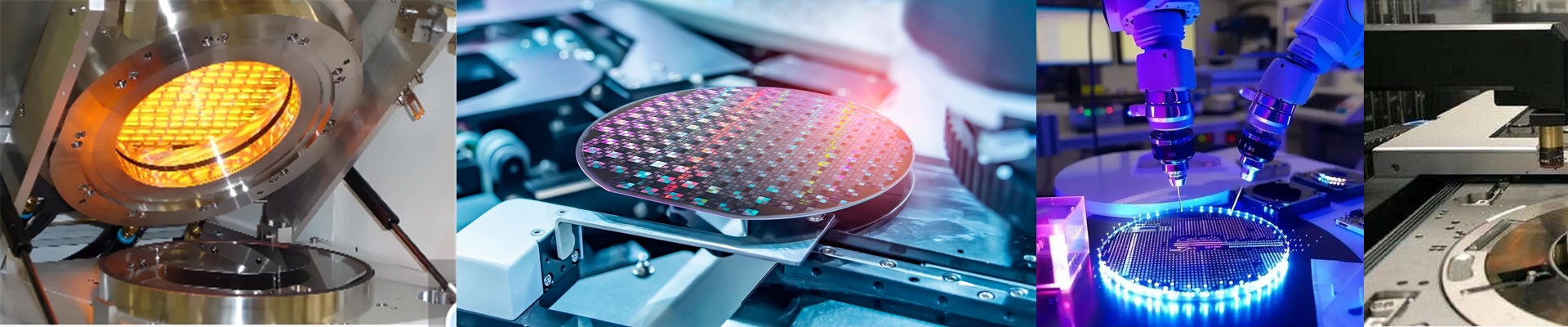
The industry is pushing hard toward “green” and lead-free standards. That sounds great on paper, but it makes the actual fabrication tricky. For a long time, we relied on convection ovens. The problem? You’re basically heating up a giant box of air. It’s a waste of power, and honestly, it’s a gamble. All that moving air can kick up particulates that end up right on your wafers. That’s why we use infrared (IR) curing. Instead of heating the air, we use electromagnetic radiation to hit the wafer surface directly. No middleman. No hot air. Just pure energy where it needs to be.
Getting the distance just right
When you’re working with IR, the distance between the lamp and the substrate is everything. It’s the one lever you really have to pull to control the temperature. Short-wave IR is great because it sinks deep into the photoresist or adhesive layer, which makes the curing happen fast. But you have to be careful. If the lamp is too close? You’ll get hotspots or even burn the edges of the wafer. Too far? The heat density drops off, and suddenly your cycle times are dragging. We spend a lot of time calibrating this based on the lamp’s wattage and the temperature the wafer needs. We’re just looking for that sweet spot where the heat is perfectly even across the whole disk.
Less waste, more speed
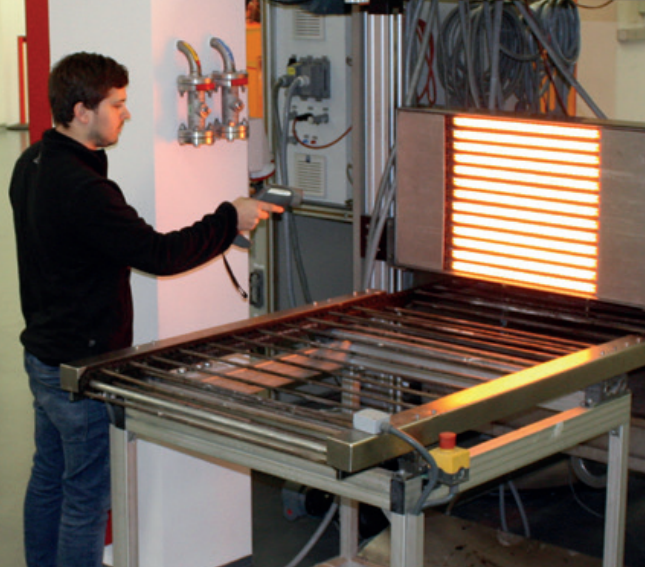
IR curing is a “dry” process. You don’t have to deal with messy, solvent-heavy heating fluids or the massive electrical drain of keeping a huge chamber hot. The best part is the startup time. These lamps hit operating temperature in milliseconds. You aren’t standing around for an hour waiting for a machine to warm up before you can even start the first batch. It just works.
The catch: Managing the heat
Now, there is a trade-off. High-intensity IR lamps put out a ton of energy. While the wafer is getting exactly what it needs, the lamp housing and the machine frame are taking a beating. You can’t just toss these lamps into a generic chassis and hope for the best. If your cooling system isn’t up to the task, the radiant heat reflecting off the wafer will eat your lamps alive. It’s all about the cooling. Get that right, and your gear lasts. Ignore it, and you’re just replacing expensive lamps way too often.