

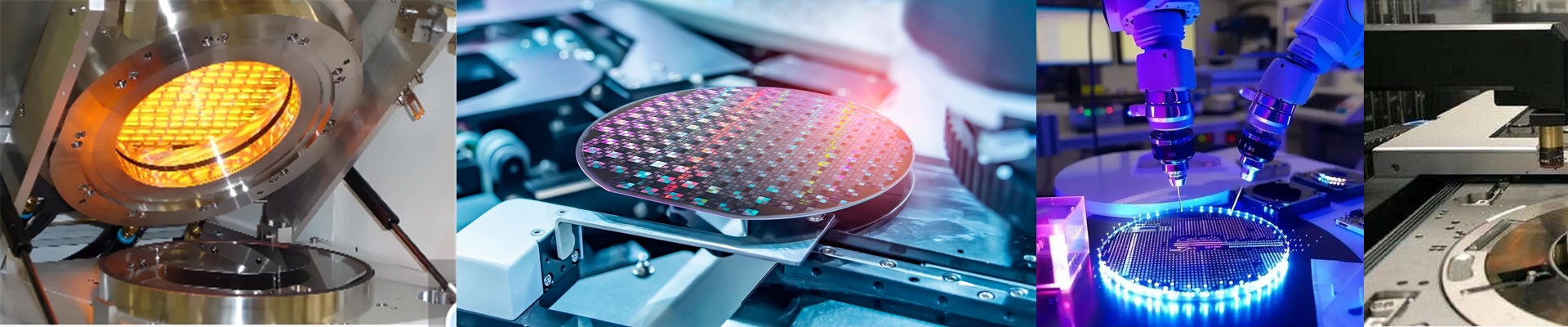


Stop Wasting Heat in Your Sensor Packaging
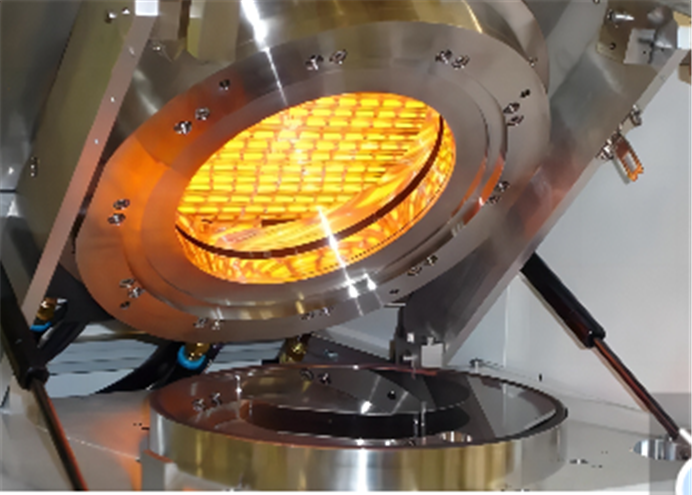
When you’re curing or baking wafers for smart sensors, every single watt matters. The real struggle isn’t just making heat—it’s making sure that heat actually hits the wafer instead of just warming up the inside of your machine. That’s where gold coating comes in. It completely changes how you handle your thermal budget. Why gold? Most people start with aluminum reflectors, but here’s the problem: they soak up too much energy. Gold is different. It’s incredibly good at bouncing infrared waves right back where they belong. By lining the chamber with gold, you’re essentially creating a mirror for heat. You can hit your target temperatures way faster without having to crank the voltage on your lamps. It’s a cleaner, smarter way to work. Getting the heat where it belongs Think of it as turning a scattered light source into a precision tool. Instead of the energy bleeding out into the walls, the gold layer pushes it straight onto the silicon. This does two things. First, it boosts the heat density. Second, it fixes those annoying temperature swings. You won’t have to deal with those frustrating cases where the edges are scorched but the center is still cold. Everything just stays uniform. The catch (because there’s always one) Now, this isn’t a magic fix you can just throw into an old machine. Because the gold pushes so much energy back toward the workpiece, your lamps are going to feel that heat too. If you don’t have the right cooling fans and heat sinks in place, you’re just going to burn out your lamps early. You’ve got to make sure your housing can breathe. One last tip: if your cycle times are creeping up or your curing looks patchy, take a look at your reflectors. Once that coating starts to pit or wear down, your efficiency tanks and your power bill spikes. Keep them clean, and they’ll keep working for you.