
Why Your Bathroom Heater Is Actually a Moisture-Fighter
Most people think of those bathroom heat lamps as just a way to keep from shivering while you get dressed. But there’s a lot more going on under the hood. We don’t just see them as “heaters”—we see them as tools to fight dampness. Instead of just warming up the air, these lamps use shortwave infrared (IR) radiation. It sounds fancy, but here is the gist: it goes straight for the water.
Drying Out the Hidden Spots
Standard heat just floats around. Shortwave IR is different. It sinks deeper into surfaces, like your tiles and those annoying grout lines where mold loves to hang out. We’ve tuned these lamps to a specific wavelength that basically makes water molecules vibrate. This pushes the liquid water to turn into vapor and vanish much faster. It’s like having a stealthy dehumidifier built into your ceiling, without needing to rip open your walls for a massive HVAC system.
The Hardware Side of Things
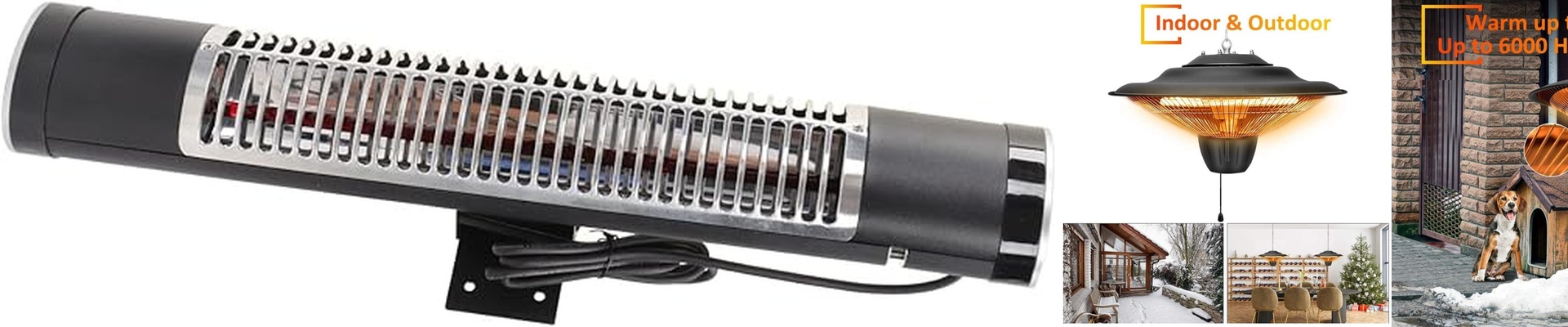
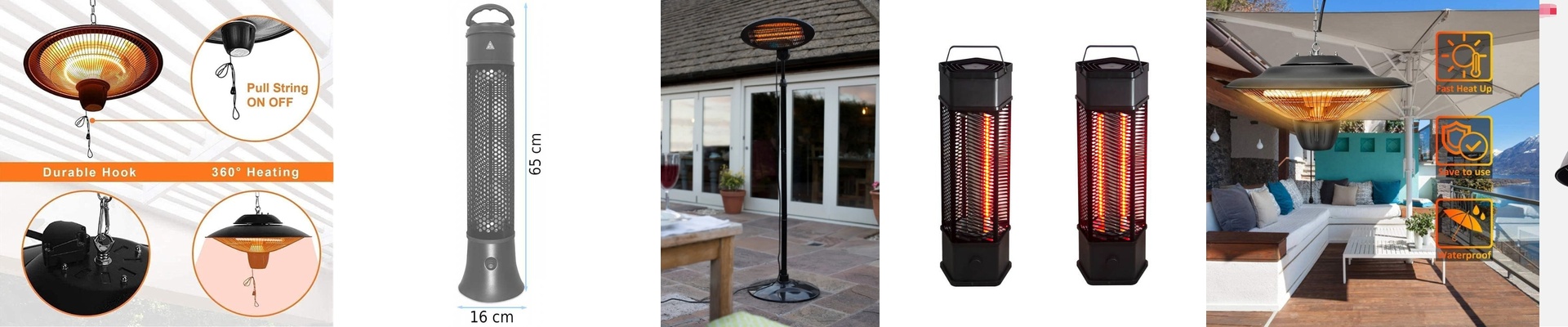
Water and electricity don’t mix. Obviously. To keep things safe, we wrap the filaments in sealed quartz. This stops moisture from sneaking in and blowing the bulb the second you turn it on. One quick heads-up, though: these units pack a punch. A 2000W lamp is great for flash-drying a room, but it pulls a lot of power. Just make sure your wiring can handle the load. There’s nothing worse than the lights going black the moment you try to get warm because you tripped the breaker.
Finding the Sweet Spot
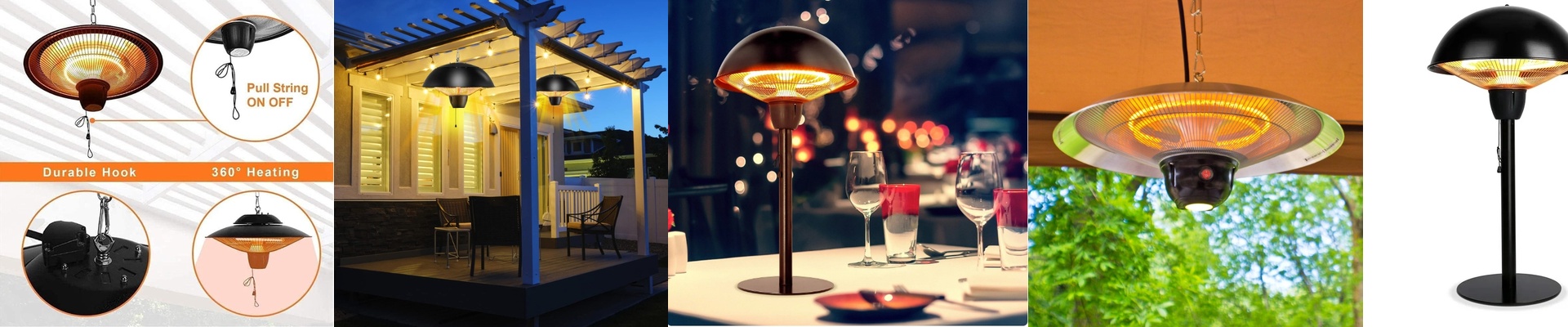
There is a bit of a balancing act here. If you mount the lamp too low, it’ll feel like you’re standing under a heat lamp at a buffet—way too intense. But if it’s too high, you lose that drying power. We recommend a specific height to make sure you get that “dry-out” effect on the walls without feeling like you’re being toasted. When it’s set up right, it keeps the walls dry enough that condensation never even starts. No condensation, no mold. Simple as that.