


Keeping Your Clean Room Safe When Using IR Lamps
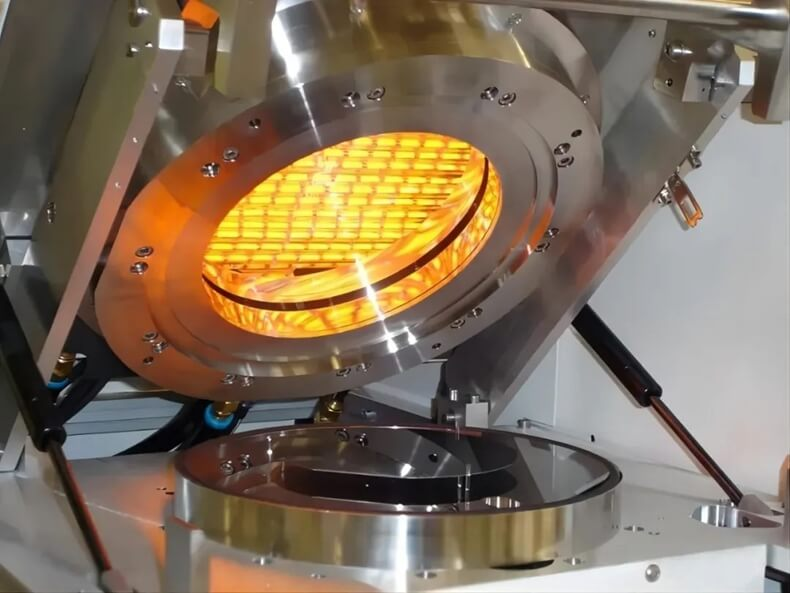
Let’s be honest: running infrared lamps over chemical cleaning baths is a bit like playing with fire. When you’ve got flammable solvents or volatile liquids swirling around, a basic quartz tube isn’t just risky—it’s a liability. That’s why we build our clean room bench lamps with a focus on sealing everything tight. We want to make sure vapors stay out and sparks stay put. The “Safety Bubble” Approach We don’t just throw a cover over the lamp and call it a day. We seal the entire electrical path. The quartz element sits inside a high-grade sleeve that can take a beating from harsh chemicals. Think of it as a physical wall between the heat and the fumes. We also use specialized gaskets and flame-retardant seals where the wires connect. The goal is simple: even if a seal fails, those dangerous vapors can’t reach the energized terminals. It’s about peace of mind. Keeping Things Cool (and Stable) Temperature swings in a clean room are a nightmare. To fix that, we use short-wave infrared. It shoots heat directly into your substrate rather than baking the air around it. This is huge because it keeps you from accidentally hitting the flash point of your chemicals. We also beefed up the wiring and connectors. No one wants a “burn out” at the terminals mid-shift. Just a quick tip: make sure your power supply actually matches the lamp’s wattage. If you get voltage spikes, you might crack the quartz, and that’s a mess nobody wants to clean up. The Trade-off Here’s the catch. Adding that protective sleeve does eat a bit of the heat. You’ll lose a small percentage of efficiency because the sleeve absorbs some of the energy. It’s not a dealbreaker, though. You can usually fix this by bumping up the wattage or moving the lamp a little closer to your workpiece. Just double-check that your bench frame can handle the extra weight of the housing before you set it up.