



Cutting Carbon in the Fab: Why Vacuum IR is the Way to Go
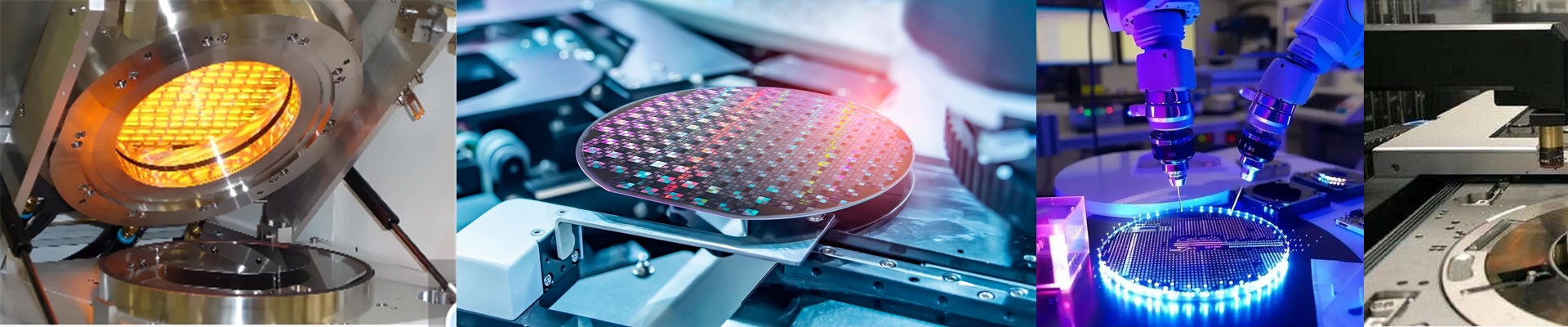
If we’re actually going to hit those carbon neutrality goals in the fab, we have to stop wasting energy. The old way—resistive heating—is basically like trying to heat a whole house just to keep one person warm. You’re heating the entire chamber volume, most of which doesn’t even need to be hot. That’s why we switched to vacuum-rated infrared (IR) heaters. Instead of warming the air (or lack thereof), we aim the heatdirectly at the wafer. It cuts out the idle power waste and slashes those long ramp-up times. It’s just a cleaner, leaner way to run a “green” factory.
The Physics (Without the Textbook)
Here’s the thing about vacuums: you don’t have air to move heat around. You’re relying entirely on radiation. We’ve tuned these IR systems to emit short-wave radiation. It punches right through to the substrate without wasting energy heating up the chamber walls. It means you aren’t fighting your vacuum pump’s cooling effect every second of the run. You focus the energy where it belongs, and your kilowatt-hour bill per wafer starts to drop.
The Gear and the Trade-offs
We use high-purity quartz and some pretty specialized filaments to handle the heat. But there’s a catch. When you cram high-wattage lamps into a tight vacuum space, the heat density gets intense. You’ve got to get your cooling jackets right. If your water-cooling loop is too small or decides to quit, the lamp ends will burn out fast. Thermal stress at the seal is a real killer if you aren’t paying attention.
Fitting it Into Your Workflow
The best part? These are basically drop-in replacements. We used standard connectors, so you aren’t spending weeks rewiring your floor. The difference in speed is what really hits home. You go from waiting hours for a warm-up cycle to waitingminutes. That doesn’t just save power; it lets you push more wafers through the line without needing more floor space. Sure, the power control system is a bit more complex because you have to keep an eye on overshoot. But when you look at how much carbon you’re cutting per unit, it’s a no-brainer for any modern upgrade.