


Stop Wasting Time on Slow Heat-Ups
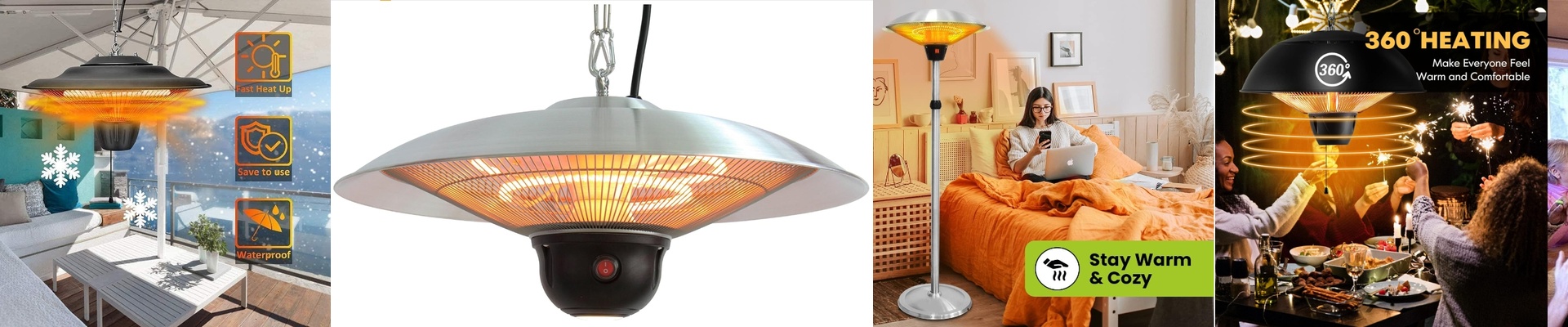
Let’s be honest: forced air convection is a drag. You’re basically heating up the air, just so the air can eventually heat up your substrate. In the world of semiconductor deep processing, that lag is a silent killer. It eats your throughput and wastes hours of production time. We fix this by cutting out the middleman. We move you over to ozone-free infrared (IR) lamps.
How it actually works
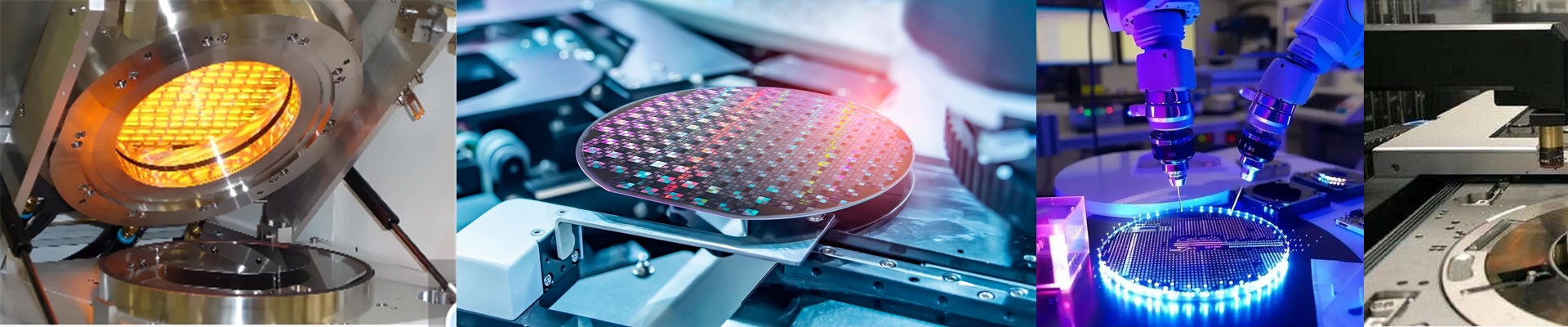
Instead of waiting on a breeze, IR lamps use electromagnetic waves. The heat hits your target directly. Now, you might worry about contamination. That’s why we use ozone-free quartz envelopes. It keeps the spectrum clean so you don’t end up with O3 messing up your cleanroom or degrading your wafers. The result? Your ramp-up is almost instant. We’re talking about warm-up cycles that drop from minutes down toseconds.
More heat, less space
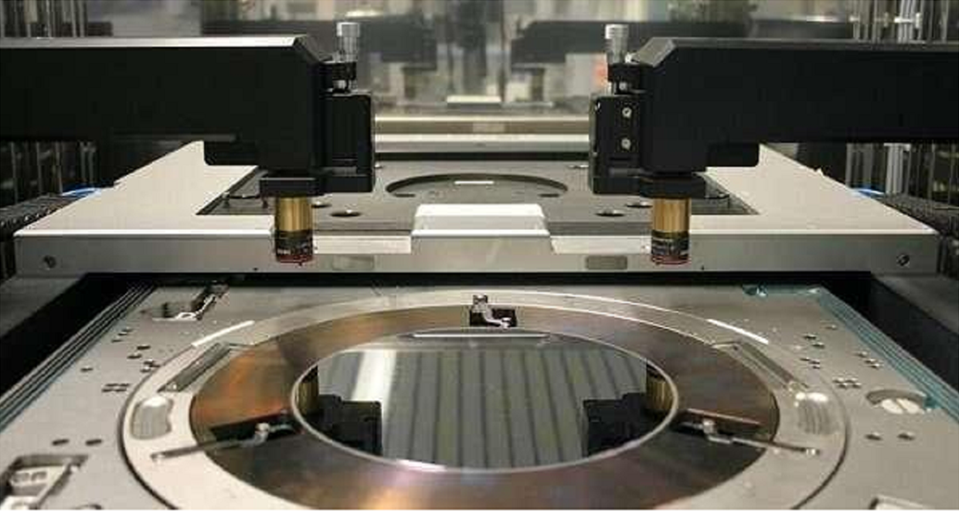
These lamps pack a ton of punch into a tiny footprint. If you’re working with tight chambers where a bulky blower or a mess of ducting just won’t fit, this is your answer. Plus, since the heat is directional, you decide exactly where the energy goes. You aren’t just flooding the whole machine with heat and praying the chassis doesn’t overheat. It’s precise.
One thing to watch out for
Here’s the catch: direct radiation is aggressive. You’ll save a mountain of time on the heating side, but because the energy density is so high, you have to get your cooling right for the “off” cycle. If your cooling isn’t dialed in, you run the risk of thermal overshoot on the substrate. It’s a trade-off, but a manageable one.
Why bother switching?
Most shops moving toward high-volume, high-precision work have already made the jump. It’s a simple swap for the thermal stages in most deep processing lines. You stop fighting with unpredictable air currents and start managing photons. At the end of the day, it just means more wafers moving through the line every single shift. Simple as that.