



Stop Your Semiconductor Tools From Turning Into Ovens
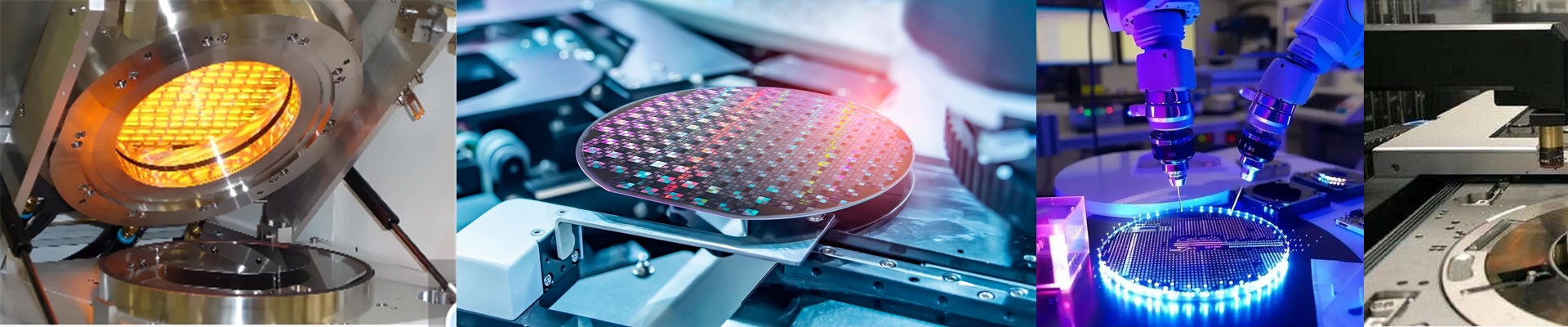
Here’s the problem with standard infrared lamps: they blast heat in every single direction. When you cram one of those bare quartz lamps into a tight metal chamber, a massive amount of energy just hits the walls. It basically turns your equipment chassis into a giant heat sink. Not only does the outer casing get hot enough to actually burn your operators, but your cooling systems have to work double-time just to keep things from melting down. It’s a mess. Enter the gold coating. We fix this by putting a thin layer of gold on the back of the quartz envelope. Gold is incredible at reflecting infrared radiation. Instead of letting that heat bleed backward into the guts of your machine, the coating bounces it straight forward. It changes everything. Your lamp stops acting like a general space heater and starts acting like a precision tool. You get a concentrated beam hitting the wafer or substrate exactly where it needs to be. No more “oven effect” where the whole tool housing starts baking. But look, there’s a catch. Because you’re pushing all that energy in one direction, the front of the lamp runs hotter. It can’t “breathe” in two directions anymore. You’ll want to double-check that your lamp holders can handle those higher surface temperatures—otherwise, you’re looking at melted mounts. And a quick tip on the wiring: keep an eye on your power supply. High-wattage shortwave lamps pull a ton of current. If your power rail isn’t up to the task, you’ll hit voltage drops that kill your ramp-up time. It’s a frustrating bottleneck that’s easy to avoid if you check the specs first. Plus, keeping the chassis cool does more than just save your skin. It saves your gear. When the inside of the cabinet stays cool, your PCBs and sensors don’t drift or burn out nearly as fast. Everything just lasts longer.