



Why Gold-Coated Reflectors Actually Matter for Your Wafers
When you’re drying wafers, every single watt counts. There’s nothing more frustrating than watching energy just… vanish. Standard aluminum reflectors are okay, but they scatter too much. It’s like trying to use a flashlight with a cracked lens; the light goes everywhere except where you actually need it. That’s where the gold comes in.
The “Secret Sauce” of Gold
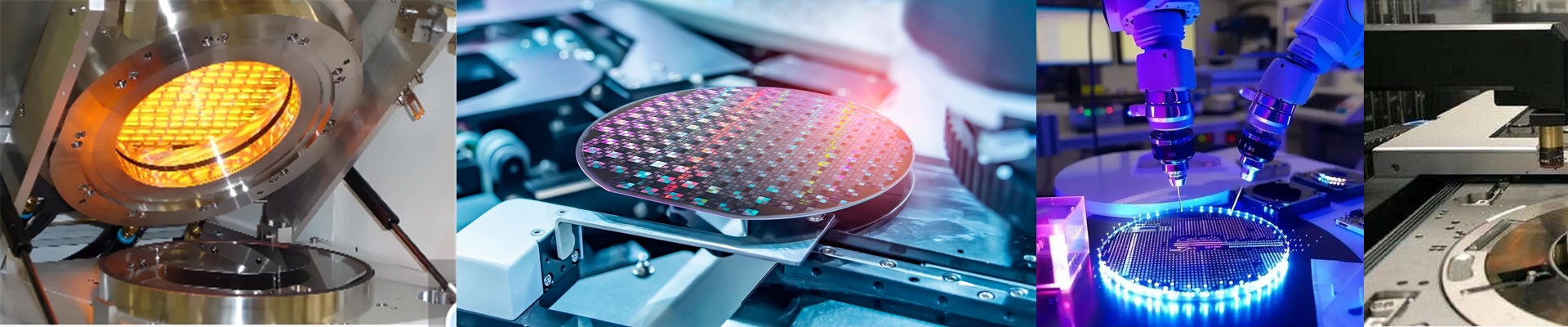
Here is the thing: gold is just better at handling infrared light than silver or aluminum. By adding a thin layer of gold to the reflector housing, we stop the heat from soaking into the machine’s chassis. Instead of the heat bleeding away, it bounces straight onto the wafer. It creates a much tighter heat profile and gets you up to temperature way faster. It’s a cleaner, more direct hit.
Handling the Heat
Now, high-wattage IR lamps are powerful. Really powerful. But that intensity comes with a catch—they create a massive amount of thermal load. If you go with a high-density array, you’ve got to make sure your cooling can keep up. If you skimp on the airflow or heat sinking, your housing might warp, and that expensive gold coating will start to degrade. **Pro tip:**Make sure you tweak your controller’s PID settings to match the emissivity of the gold. If you don’t, you’ll likely overshoot your target temperature and end up fighting your own equipment.
Making it Work in the Real World
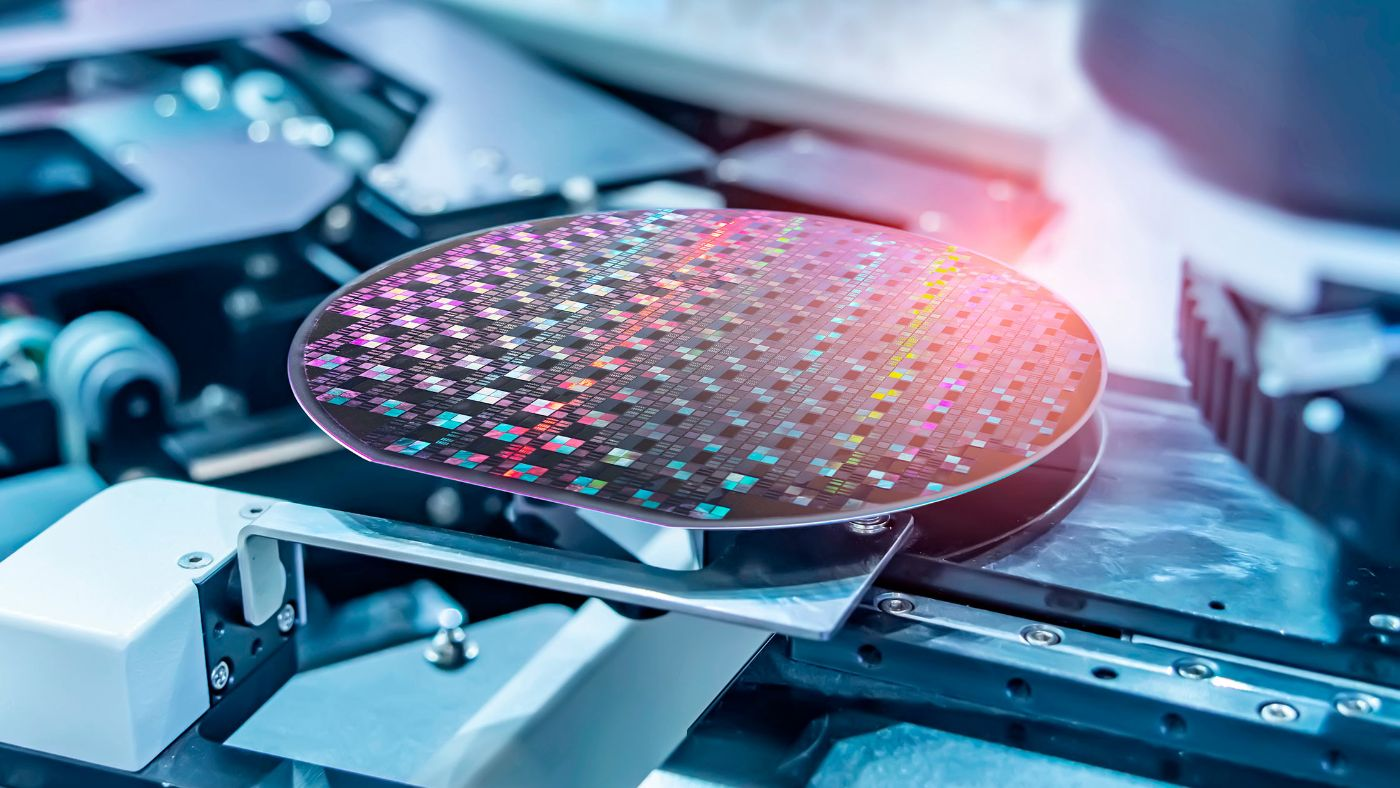
Connecting these reflectors to a digital IR dryer controller makes life a lot easier. You just wire it to an SCR or PWM controller to keep everything steady. The best part? You can actually shrink your drying zone. Since the gold is so efficient, you don’t need as many lamps to hit your target surface temperature. Yeah, the upfront cost is higher. Gold isn’t cheap. But you make that money back through lower power bills and faster cycle times. Plus, if you’re working with 300mm wafers and you can’t afford a single cold spot, this is really the only way to get the uniformity you need.