



A Better Way to Handle Semiconductor Rinse Cycles
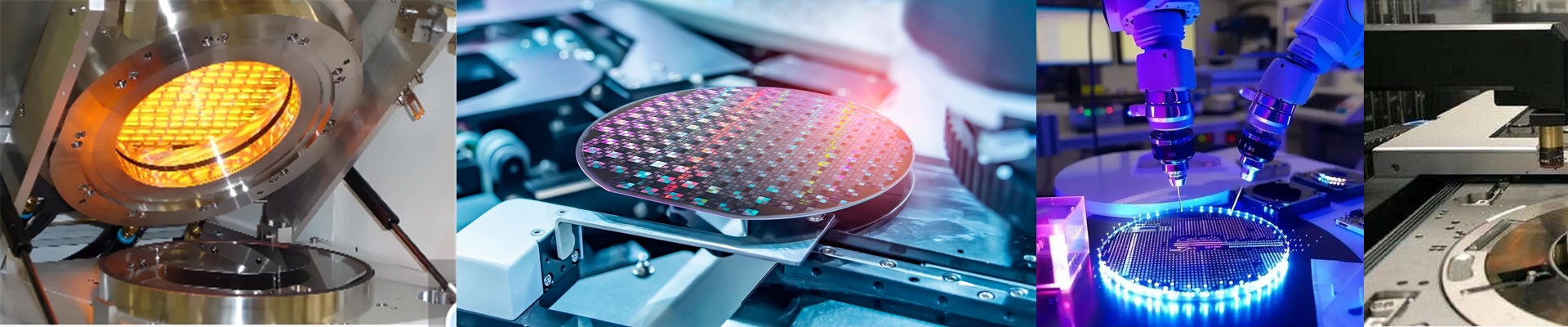
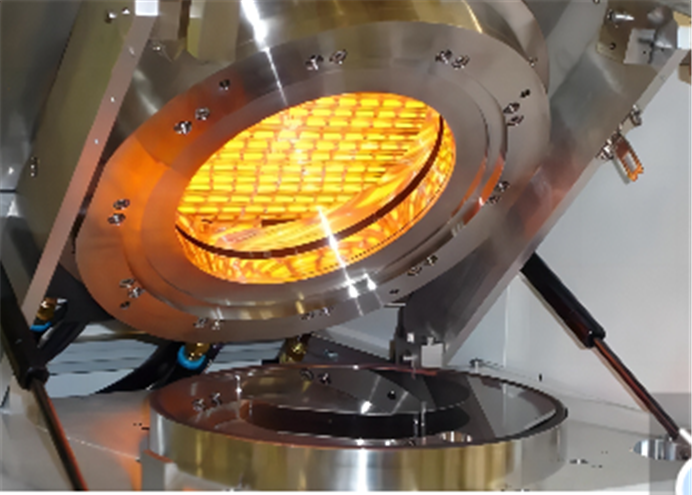
Let’s be honest: the rinse stage in semiconductor fab is usually where energy goes to die. For years, we’ve leaned on hot-water baths or convection heaters, but they’re incredibly wasteful. You’re basically spending a fortune to heat up the air and gallons of water just to get the wafer ready. That’s why we started using waterproof infrared (IR) lamps. Instead of heating the whole room, these lamps point the heat exactly where it needs to go—right at the wafer surface.
Dealing with the Mess
Rinse environments are brutal. Water and electricity don’t mix, and if a single drop hits the electrodes, your lamp is toast. To stop that from happening, we use specialized quartz envelopes and sealed end-caps. It keeps the moisture out so the hardware actually lasts. We use short-wave IR because it pushes heat deep into the substrate. It dries the wafer faster, which means you can actually shrink the size of your machines. Less gear taking up floor space is always a win.
Cutting the Carbon (and the Cost)
If you’re trying to move toward a “Green Factory,” you have to look at your thermal loads. Old-school steam heating is a nightmare—you’ve got massive boilers running constantly, leaving a giant carbon footprint. Switching to electric IR changes the math. You get total control. You can flick the heat on or off in milliseconds. No more “idle heat” just sitting there wasting power while the line is paused.
The Real-World Trade-offs
Now, it’s not all magic. High-wattage lamps pack a punch, but they’ll put a strain on your electrical panel. You’ve got to make sure your wiring can handle the peak current, otherwise, you’ll run into voltage drops. And here is a pro tip:keep the reflectors clean. If chemicals build up on the mirror, your efficiency drops by 15-20%. When that happens, the lamps have to work harder and run hotter, which kills their lifespan. A little cleaning goes a long way. The best part? We designed these to be drop-in replacements for those clunky old heating blocks. You just swap the hardware, hook it up to a PID controller, and watch your kilowatt-hour per wafer ratio finally start to drop.