

Keeping Things Safe: IR Heating in Volatile Gloveboxes
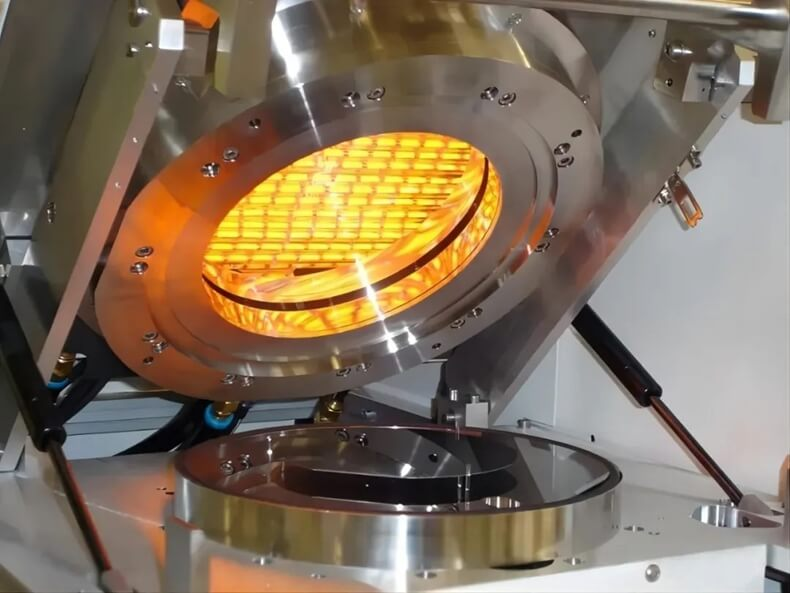
Let’s be honest: heating a glovebox full of flammable cleaning solvents is a nerve-wracking job. You can’t just toss in a standard IR lamp and hope for the best. One tiny spark or a sudden temperature spike in a room full of solvent vapors, and you’ve got a disaster on your hands. The secret to doing this without losing sleep is all about the barrier. You need something solid between the heat and the air. The Seal That Actually Works We don’t just leave the quartz tube hanging out there. That’s asking for trouble. Instead, we wrap the heating element in a chemically inert sleeve with a tight, hermetic seal. Think of it as a protective cocoon. It keeps those volatile organic compounds (VOCs) away from the hot filaments and electrical terminals. Even if you have a leak in the glovebox, the heating element stays isolated. It’s a simple physical buffer, but it’s the only thing that really matters when things get volatile. Getting the Temperature Right We use high-purity quartz with specific coatings to keep the heat moving where it needs to go. When you’re cleaning chemicals, you need a steady, predictable temperature to keep your solvent viscosity just right. You can’t have “hotspots” popping up randomly. That’s why we spec these lamps at a very precise wattage. It keeps the enclosure from overheating. Now, there is a trade-off. Because we’ve added that protective layer, you lose a little bit of the direct IR punch you’d get from a bare tube. It’s not a big deal, but you might need to nudge the power up a bit or move the lamp closer to your workpiece to hit your target temp. Setting It Up The best part? These are basically drop-in replacements. They fit right into your existing glovebox heater slots. We also beefed up the connectors. There’s nothing worse than a wire vibrating loose while the equipment is running. Just a couple of quick tips for the install: make sure your controller matches the lamp’s voltage so you don’t burn it out early. And give the external housing some breathing room—the power supply needs a bit of airflow to stay cool.