

Fixing the Curing Bottleneck in Your Clean Room
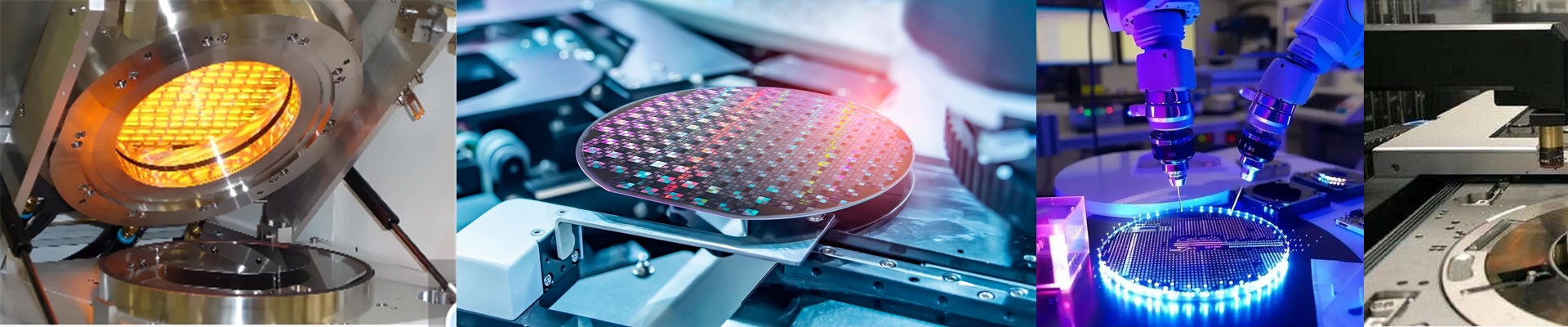
If you’re upgrading a fab to hit those new lead-free and eco-friendly marks, you already know the headache. The drying and curing stage is almost always where everything slows down. Most shops still rely on convection ovens. The problem? You’re wasting a ton of energy just to heat up a giant box of air. It’s inefficient and, frankly, a bit outdated. That’s where infrared (IR) curing comes in. Instead of heating the room, you’re hitting the substrate directly.
How it actually works
Think of it like the sun hitting your skin on a cold day. You aren’t waiting for the air around you to warm up; you feel the heat immediately. IR uses electromagnetic radiation to get those molecules in your coating or adhesive moving. Because you’re skipping the “middleman” (the air), you don’t need those heavy, solvent-based carriers that pump out toxic fumes. Plus, your curing time drops from hours to seconds.**Seconds.**It’s a massive difference in how your day feels on the floor.
Dealing with Lead-Free Specs
Lead-free solders and adhesives are picky. They need higher temperatures than the old leaded stuff, but if you just crank up a traditional oven, you risk baking the surrounding components into oblivion. With IR lamps, you can tune the wavelength—shortwave or medium-wave—to hit a very specific thermal profile. You get the heat exactly where it needs to be, and the rest of the board stays safe.
The Trade-offs (The Honest Part)
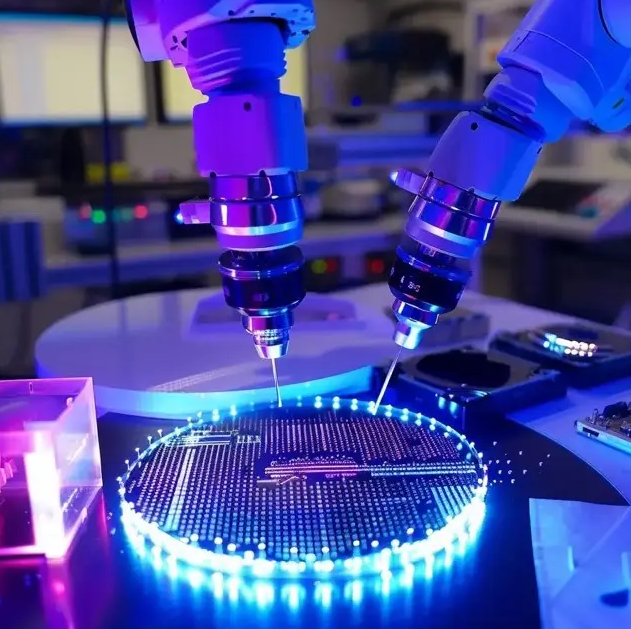
The energy savings are great. Since IR lamps snap on and off almost instantly, you aren’t paying to keep a massive oven idling at 150°C all shift. Your power bill will thank you. But here’s the catch: high-intensity IR is powerful. If you’re too aggressive with the ramp-up, you can warp a wafer or crack a substrate. It’s a balancing act. You have to get your conveyor speed and lamp distance just right to avoid those nasty hot spots.
Making it Fit
If you’re worried about the install, don’t be. Swapping an old convection line for an IR tunnel is usually a pretty straightforward swap for the heating zone. It takes up less space and you can ditch those clunky, complex ventilation systems that old-school solvent drying requires. It just makes the whole layout feel cleaner and a lot more manageable.