


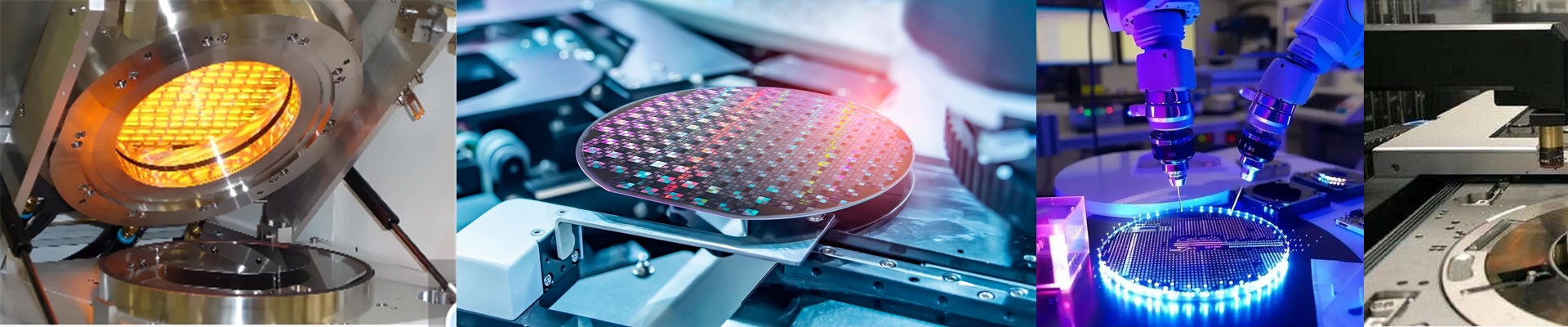
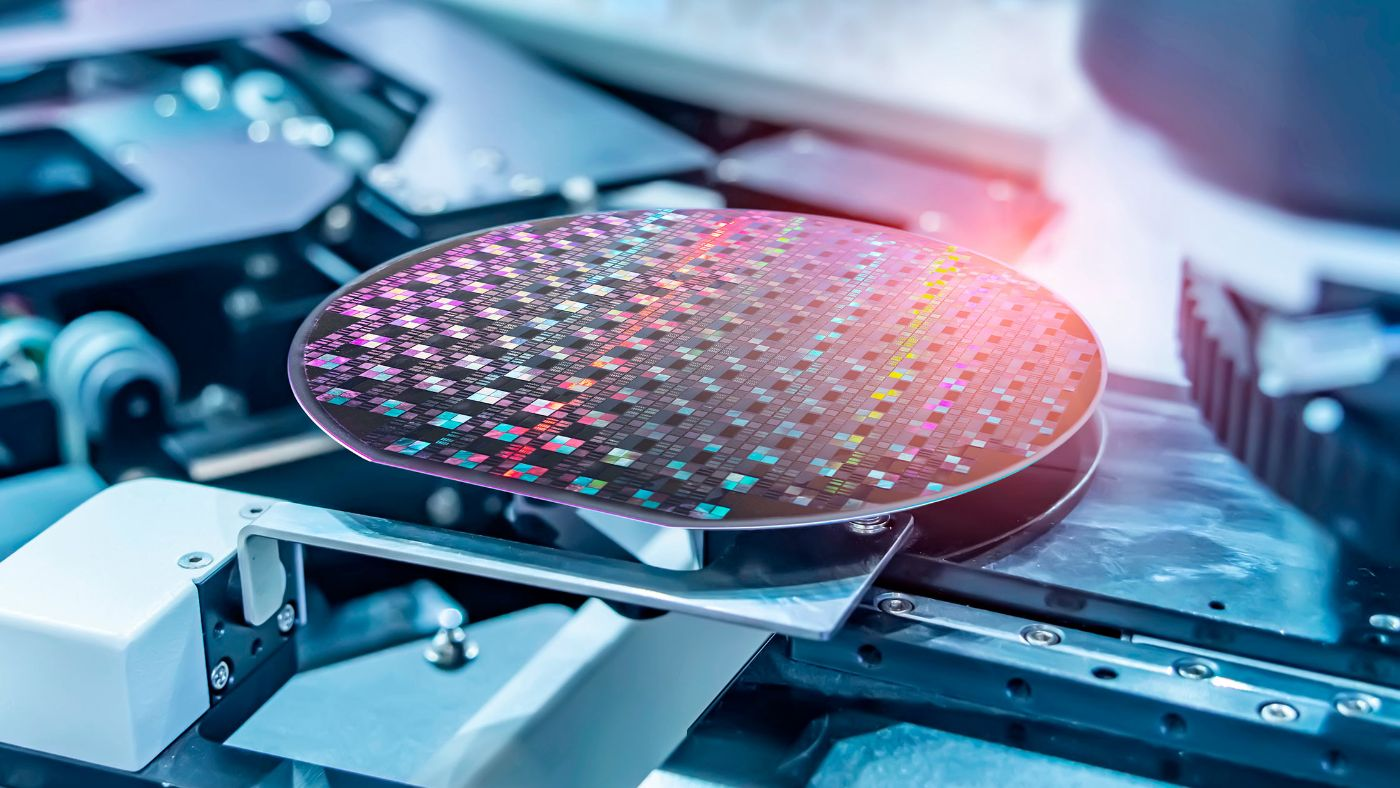
On the fab floor, ashing isn’t a maybe—it’s the thermal step that strips photoresist clean, without pushing the films underneath. If the temperature drifts or the profile sags, you get residues. Line yield takes a hit, and the lithography stack pays for it. What matters under the hood We built the ashing heater around short-wave infrared, using a quartz-halogen emitter array that responds quickly and repeatably. You end up with wafer-level uniformity within ±0.1°C across the bake zone, and temperature control that holds setpoint through the entire strip cycle. The system runs in Class 1–100 cleanrooms with zero particle generation, verified by in-situ monitoring. It delivers stable output for 5,000+ hours, with less than 5% intensity drift. Why this fits the flow In photoresist processing—soft bake, exposure, develop, hard bake, then ashing—repeatable temperature is the thermal budget. Our IR heat ramps fast, cools fast, and keeps the profile identical run after run. Fewer rework lots, less scrap, and cycle time you can bank on. Energy use comes down because emitter power matches the actual load, not the worst-case. The module drops into existing tracks and strip tools with standard mechanical and electrical interfaces. The practical details Infrared ashing gives you clean, controlled heat, but the optics and emitter window demand strict cleanroom handling. Plan a quick alignment and thermal mapping right after install, and put quarterly window inspections on the calendar to keep particle counts in line. With that discipline, the process stays in spec and the line keeps moving.