


Cutting Carbon in Semi-Fab: Why Shortwave IR is the Way to Go
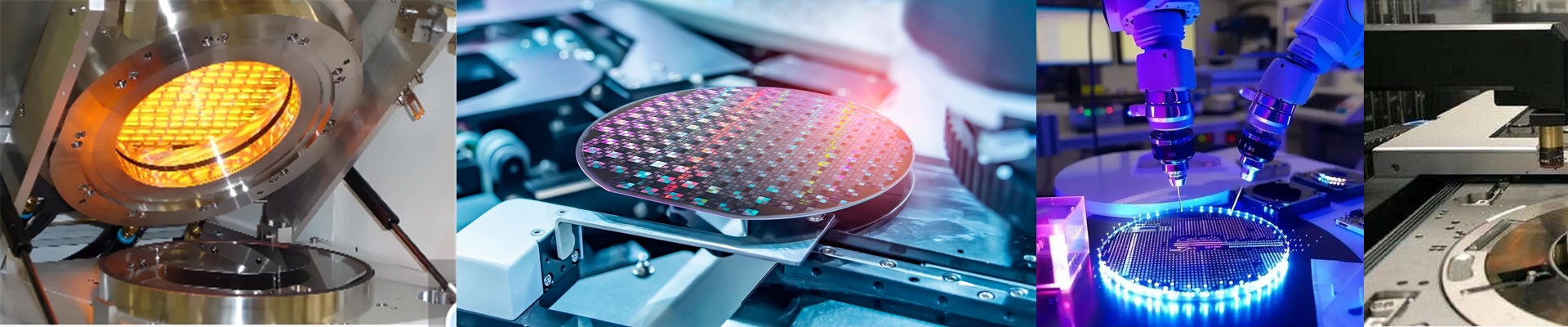
Let’s be honest: traditional resistive furnaces are energy hogs. They spend way too much time heating up the entire chamber—basically warming up the air around the wafer—just to get the job done. It’s a massive waste of power. That’s why we shifted to shortwave infrared (IR) lamps. Instead of heating everything in sight, we aim the energy right at the wafer. No more waiting for the “ambient soak.” Just direct, efficient heat.
The Magic of Thermal Dynamics
Here is the thing about shortwave IR: it doesn’t just sit on the surface. The radiation actually penetrates the substrate. It’s fast. Really fast. Because you hit your target temperature in seconds rather than minutes, your total kWh per wafer plummets. Plus, since the response time is so snappy, your PID controllers can actually do their job. You stop seeing those annoying temperature overshoots that usually lead to wasted power—or worse, a bin full of scrapped wafers.
The Nitty-Gritty on Hardware
We build these lamps with high-purity quartz and halogen cycles. Why? Because we want the filaments to actually last. Depending on what materials you’re working with, you’ll want either shortwave or medium-wave radiation to get the absorption rates right. We use standard connectors like R7s or SK15, so you can just pop them into your existing rigs without a headache. But a word of caution: watch your power density. A high-wattage array packs a punch, but it can put a serious strain on your electrical panels. And if you go high-density, make sure your cooling manifolds are up to the task. If you don’t manage the heat bleed, you’ll end up warping your lamp housing.
Making the “Green Factory” a Reality
Switching to IR isn’t just about being eco-friendly; it’s about the bottom line. You get to ditch fossil-fuel heating in several stages, shrink your physical footprint, and watch your utility bills drop. It isn’t a magic wand, though. You’ll have some upfront costs for the controllers, and you have to be obsessive about alignment. If the lamps are off by even a bit, you’ll get hot spots. But once you get the optics dialed in? The energy savings scale across your entire line. It just works.