


Making Your Smart Home Actually Feel Warm
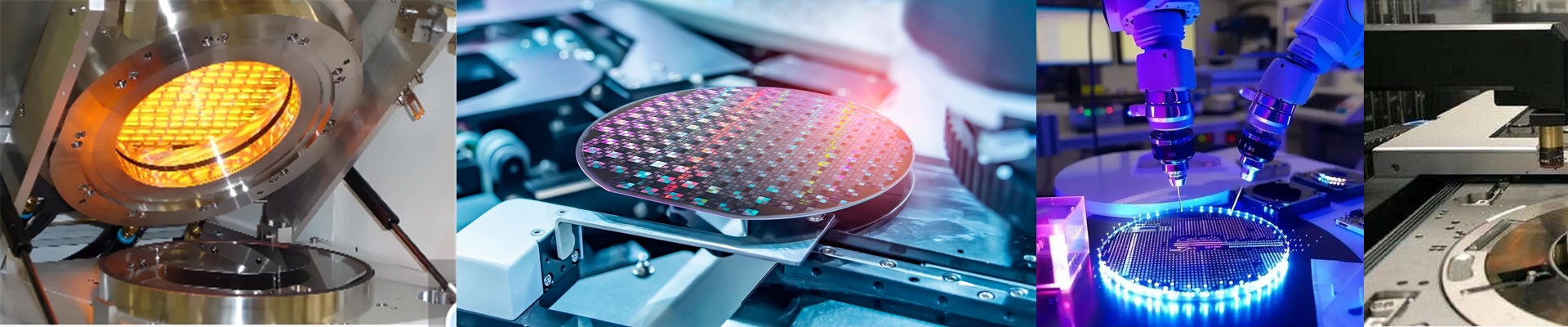
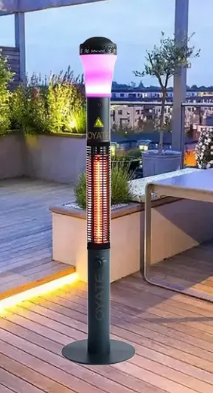
We built our IP65-rated infrared heating elements for one reason: to stop the fight between raw power and smart tech. Now, “IP65” sounds like a boring spec sheet, but in the real world, it just means the thing is sealed tight. Dust can’t get in, and if it gets sprayed with water, it won’t freak out. It means you can put these in a steamy bathroom or a semi-outdoor patio and not spend your whole weekend worrying about a short circuit frying your control board.
Heat That Doesn’t Wait Around
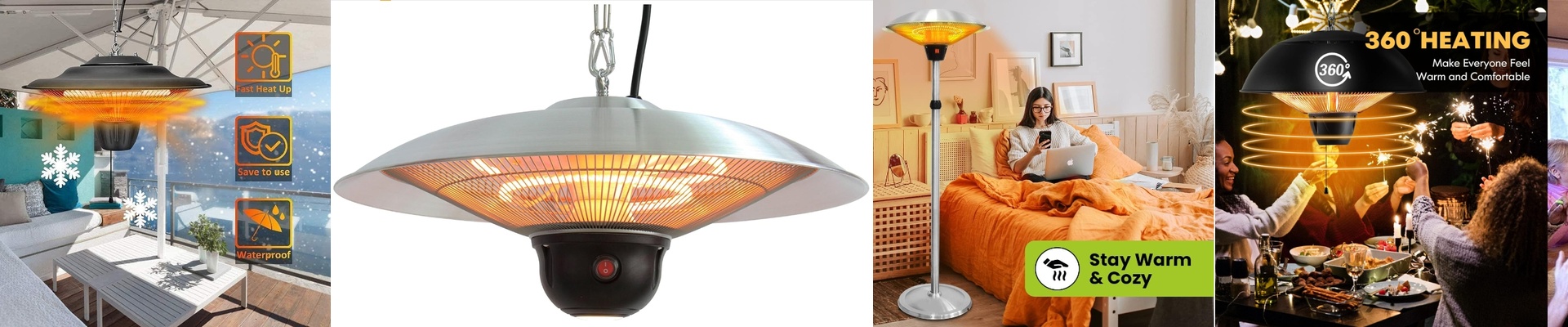
Most heaters try to warm up the air, which takes forever. Ours work differently. They go straight for the objects—and people—in the room. We use short-wave emitters because they’re fast. Like, “hit a button and feel it instantly” fast. When your smart hub sends the signal, the element hits its stride in seconds. No waiting around in a coat while the room slowly catches up.
The “Don’t Melt Your Switch” Warning
Here is the thing about wiring these into a smart home: you can’t just plug a high-wattage heater into a tiny, low-voltage smart switch. You’ll fry it. You need a beefy relay or a dedicated power module to handle the heavy lifting. I usually suggest a Zigbee or Matter-enabled contactor. That way, you get the luxury of using an app or your voice to turn on the heat, but the actual high-voltage current stays far away from your delicate logic controllers.
A Few Hard Truths About Engineering
Protection comes with a trade-off. Because the IP65 sealing is so tight, heat can get trapped around the internal wiring. If you cram a high-density element into a tiny box, things are going to get hot—really hot—near the terminals. To keep your house from smelling like burnt plastic, make sure you’re using high-temp silicone or fiberglass sleeving. Don’t cheap out on the insulation. And one last tip: get your wattage right for the size of your room. If you go too small, your smart system will just keep the heater running at 100% forever, trying to reach a temperature it can’t actually hit. That’s a great way to burn out your filament. Match the power to the room’s heat loss, and the whole system will actually last.