

Basements don’t get cold the same way a winter porch does. They get damp—like the air is quietly siphoning heat right out of the room. When the temperature drops, that chill settles into the floors, the walls, and your mood. A standard electric heater can chase the air temperature, but it’s slow, and the space still feels unwelcoming.
What matters under the hood
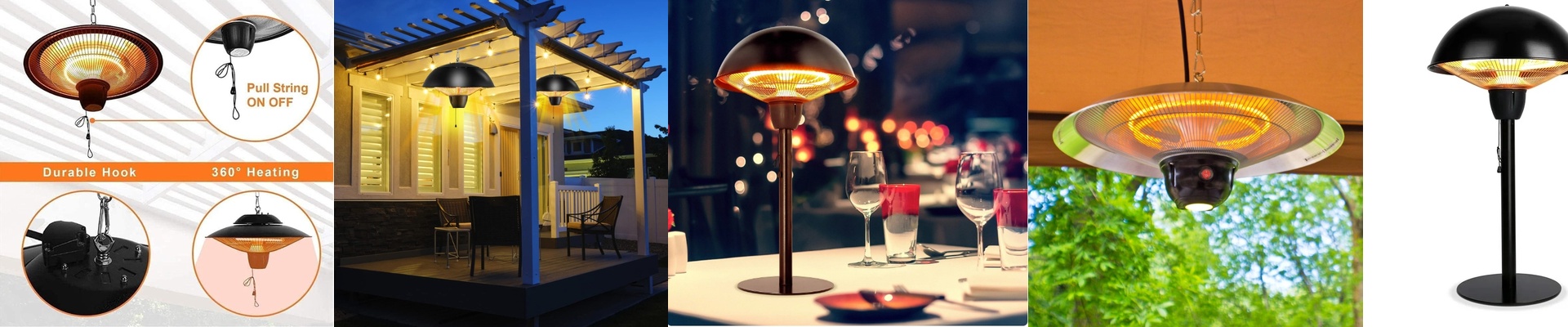
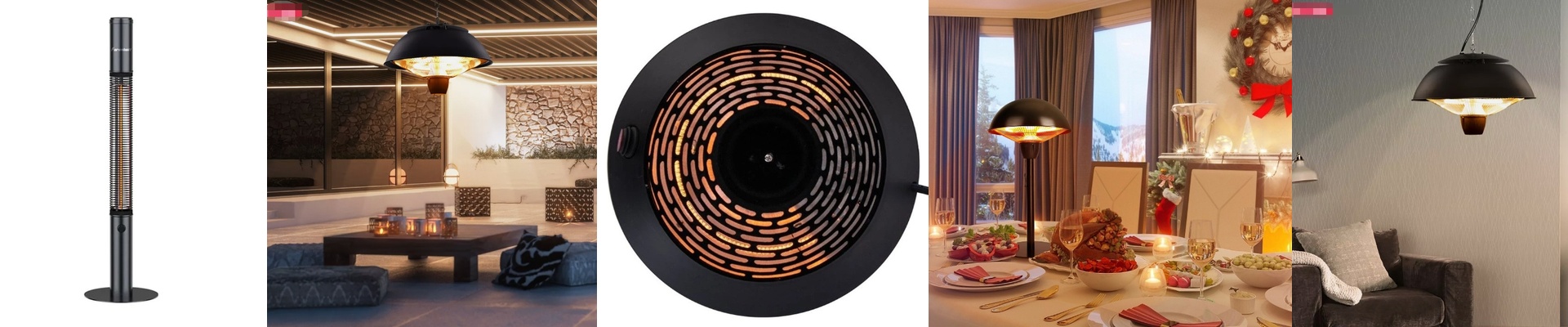
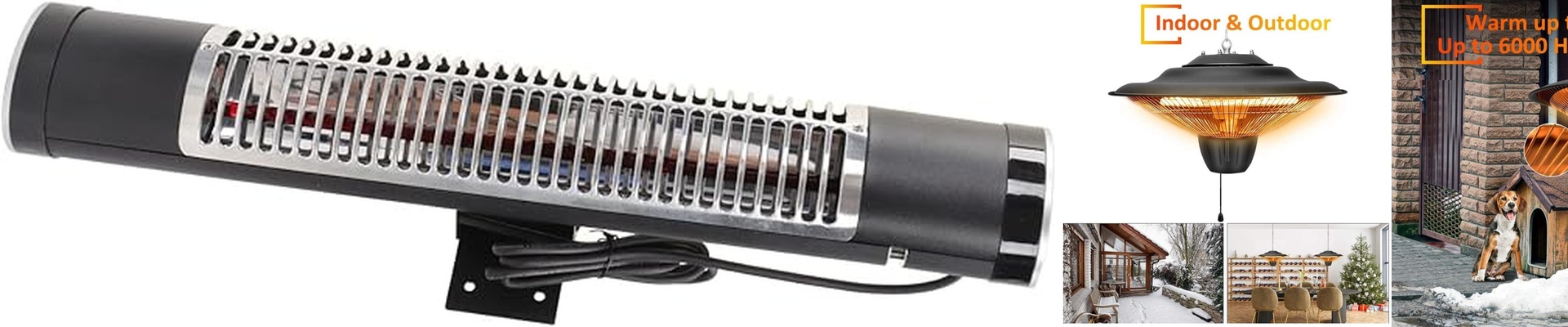
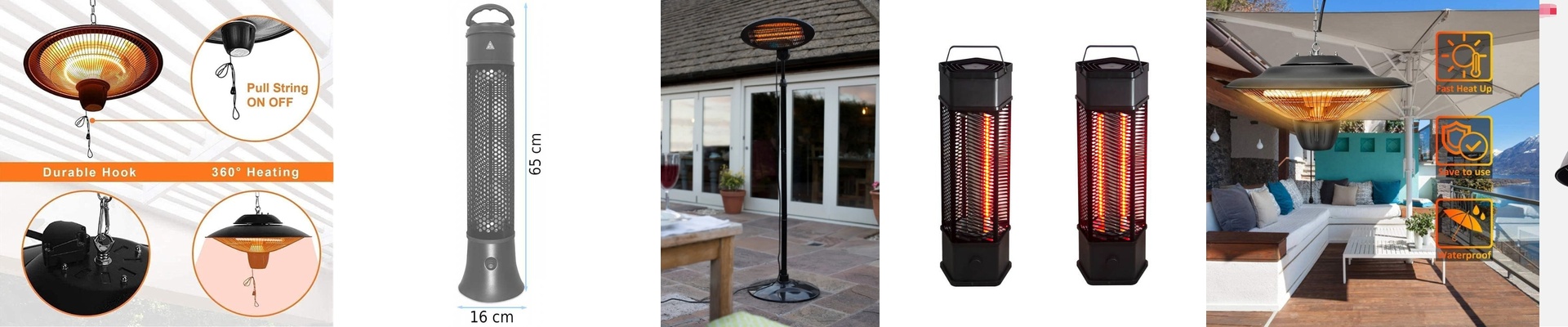
We built this basement electric heater around radiant infrared warmth, not convection. A carbon fiber element and quartz components put out medium-wave infrared that heats people and surfaces directly, so you feel the comfort faster. It runs off a standard 120V outlet, and the slim profile keeps clearance tight where space is hard to come by. Inside, an environment-adaptive control reads ambient conditions and adjusts output to smooth out temperature swings, while the thermostat holds your chosen comfort level steady. For peace of mind, tip-over protection shuts the heater off if it’s knocked over, and overheat protection keeps heat from running away.
Why this approach fits basements
In a basement, comfort isn’t just a number on a thermometer. Radiant infrared targets the cold-holding surfaces—concrete, tile, bare walls—so the room feels even, not drafty. The adaptive response matters when conditions shift: a door opens, humidity climbs, or evening cools off. You get warmth that shows up quickly, stays steady, and makes the space usable again—whether you’re working, unwinding, or converting the area into a family room.
What you need to know
Because infrared heats surfaces first, the room can feel warmer than the air temperature suggests. Position the heater so it has a clear line of sight to the main seating or work area, and keep the unit upright and stable. For best results, pair it with decent insulation and a dry environment; in very humid basements, moisture can affect long-term performance.Check the IP rating matches your space, and keep the heater out of direct water exposure.