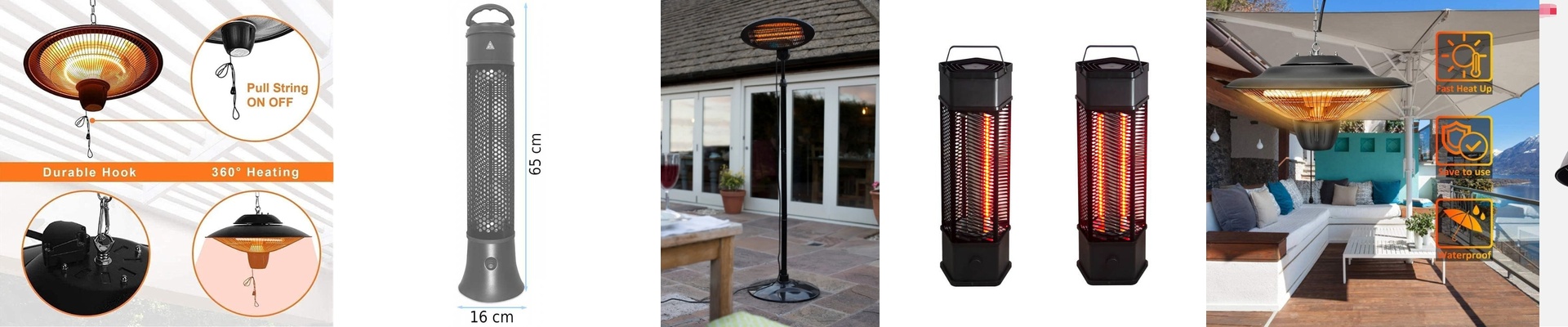
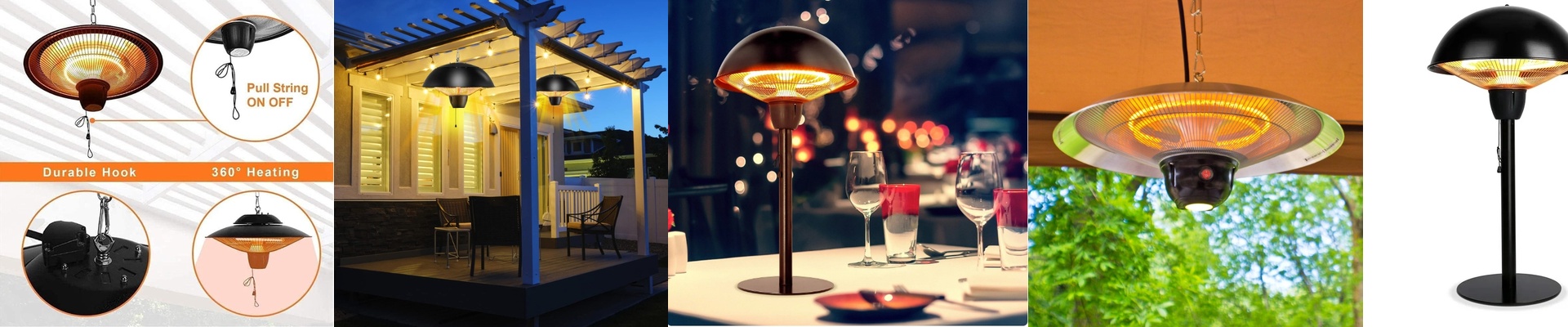
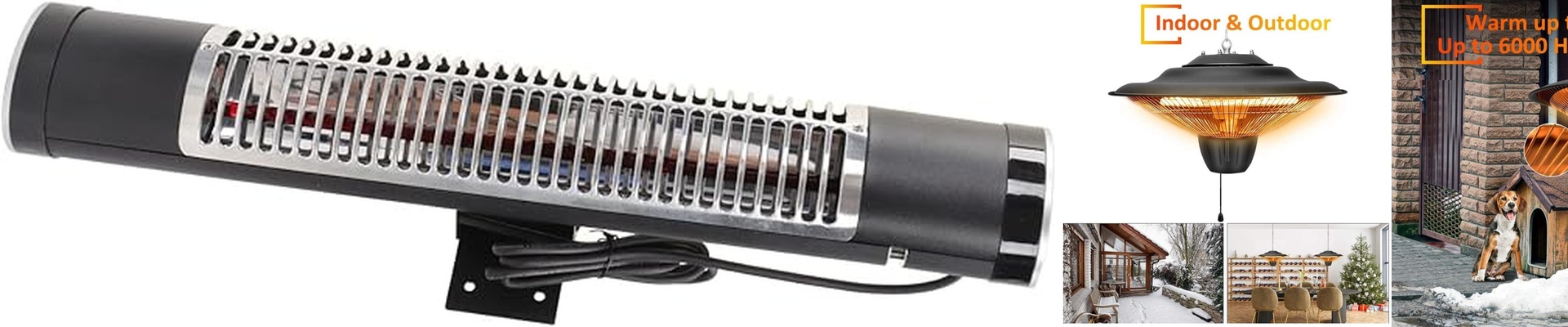
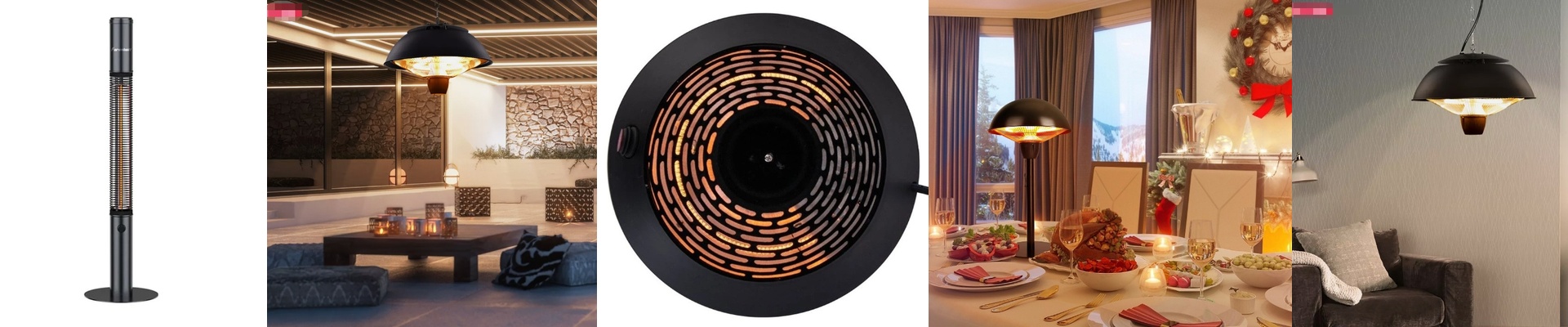

Winter on the patio doesn’t have to mean your electricity bill climbs. The honest question is this: can an infrared electric heater actually save power, or does it just feel good while your wallet takes the hit? We built our pipe heater electric line around one straightforward idea: deliver direct radiant warmth right where you need it, and stop paying to heat empty air.
What matters under the hood
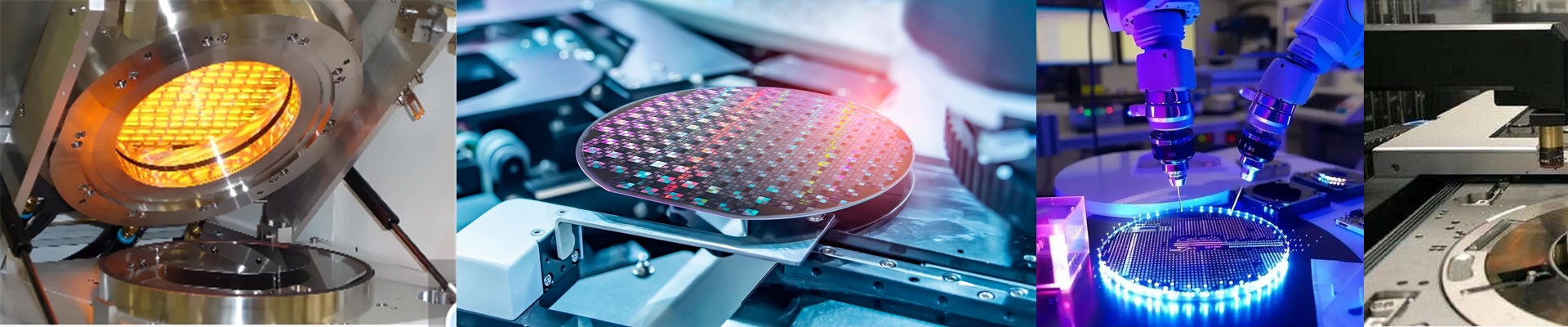
Inside the sealed pipe heater body, we run an infrared quartz tube element. It turns electricity into targeted radiant heat. The warmth lands directionally—like sunshine on your skin—not as a blast of hot air. In practice, that means less wasted heat rising to the ceiling or drifting off into the night. Add an adjustable thermostat and a focused reflector, and the unit runs only when it needs to. Comfort stays up, runtime stays in check.
Why this approach works outdoors
On a cold evening, comfort is the point—and so is the bill. With infrared, you feel the warmth almost instantly, so you can keep the setting lower and still feel cozy. Over a season, that targeted action can translate to roughly 30% less energy use compared with methods that move large volumes of air. You get steady, even warmth for outdoor meals, conversation, or a quiet reading corner—without the noise of a fan heater or the constant cycling of a bulky convection unit.
The details that make it work
Infrared delivers heat directionally, so placement matters. Aim the heater toward seating areas and keep the path clear so warmth lands where people are. This is an electric heater, so it needs a dedicated outlet and a circuit that can handle the load. For outdoor use, choose a model rated for the environment—look for the right IP protection against moisture. And always follow the clearance and mounting instructions so the unit stays stable and safe.