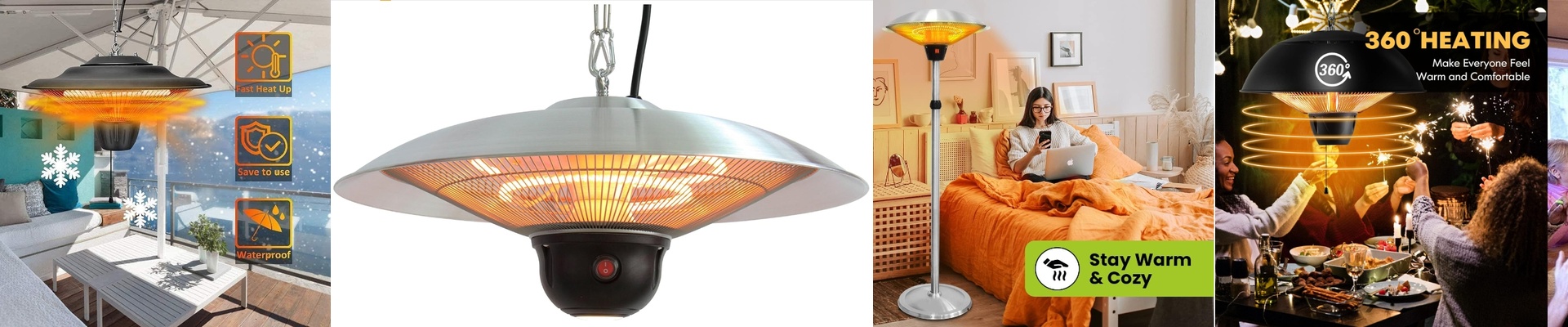

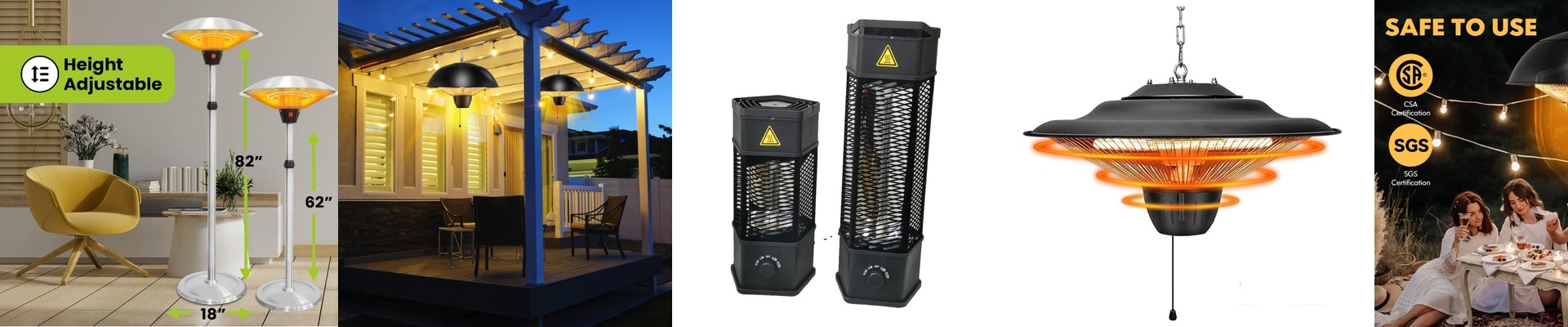



Bathrooms are a pain to heat. Small, medium, large—each one has its own quirks, and nailing the comfort level matters. When you’re bathing a baby, the room has to feel even and gentle, not stuffy or drafty. Underpowered heat leaves the towel rail and floor cold, so you end up rushing. Overkill wastes energy and makes the air feel heavy. Infrared heating lamps cut straight to the point. They warm people and surfaces directly, instead of just the air. What you need to look at, technically For a baby-room setup, infrared heaters usually run on quartz tubes or carbon fiber elements. They’re chosen for clean radiant output and fast response. The big question is wattage versus floor area. For a tight 3–4 m² powder room, a 150–200 W infrared lamp is usually enough for comfortable background warmth. A medium 5–7 m² full bathroom tends to land around 250–300 W. For a larger 8–10 m² family bath, step up to 350–400 W. Prioritize a stable, low-glare design, a protective cage, and a tip-over switch. If the heater will be anywhere near water, an IP rating is the kind of peace of mind you can actually stand behind. Why infrared makes sense in a bathroom Infrared warmth feels natural here because it heats the tub, the tile, and skin—so the space feels cozy much faster, without waiting for the air to catch up. That means fewer cold drafts at ankle level, less stress during nighttime baths, and steady comfort while you dry the baby off. Because the heat is directed, the energy goes where you need it, which helps keep the bills under control compared with heating the whole house. A few practical details Match the fixture to the room size and ceiling height, and keep the lamp a safe distance from towels and curtains. Most infrared heaters are straightforward to install, but they need a dedicated circuit and a grounded outlet—don’t try to daisy-chain them with other devices. If the bathroom has a ceiling fan or a vent above the tub, make sure the airflow isn’t stripping warm air away before it has a chance to settle.