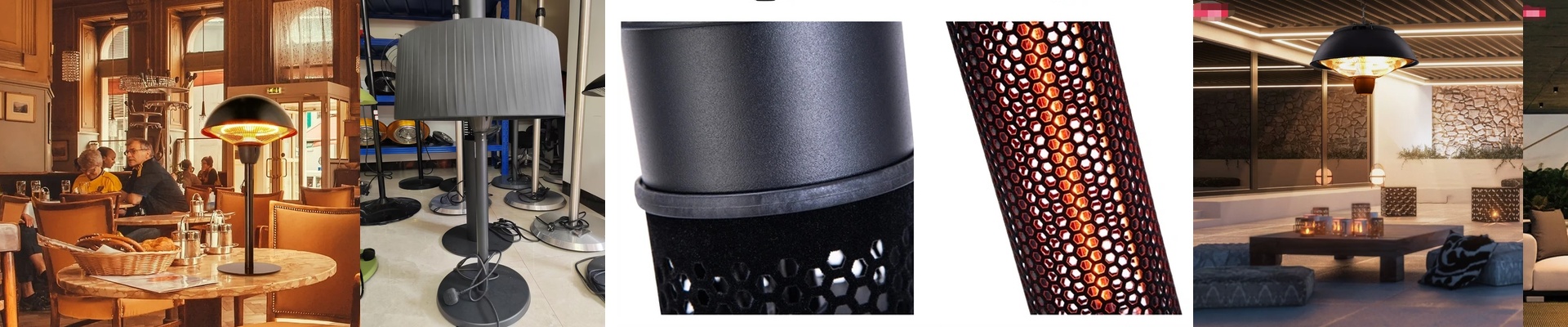



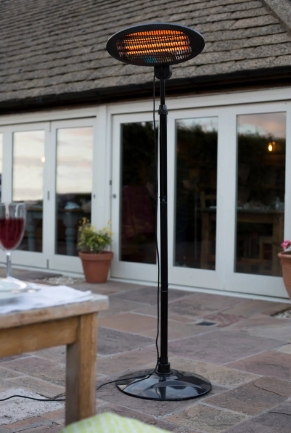
In a yoga studio or gym, the heat dropping out is more than an inconvenience. It knocks the class off its rhythm. People lose the deep warmth they need to settle into poses, and that detoxifying sweat they came for suddenly feels like a stretch. We built our infrared heaters to keep the heat steady, so you can run a hot yoga schedule you actually trust—without second-guessing comfort or safety.
What matters under the hood
Infrared heaters deliver radiant warmth. It travels outward and warms people and surfaces directly, instead of pushing air around like a forced-air unit. We use a carbon fiber element in these units. It responds quickly and holds a consistent output, and the built-in thermostat keeps the set temperature where you want it. Overheat protection is baked into the design. An internal thermal cutoff and temperature sensors pull back on power if internal temps rise, then reset automatically. The upshot is stable, controllable heat that runs quietly—no fan noise to get in the way of breathing cues or instruction.
Why this fits hot yoga and fitness
In hot yoga and fitness, you want ambient warmth that’s consistent. It helps clients break a healthy sweat sooner, supports circulation, and encourages muscles to relax. Infrared warmth does this by warming bodies directly, so the room feels welcoming the moment you flip the switch. That reliability keeps class flow smooth and students comfortable, while the thermostat keeps energy use from running away during long sessions. For studios, it’s a practical upgrade that lets you offer premium, heat-supported classes that feel natural, not forced.
The practical stuff
Infrared heat works best when the heater has a clear line of sight to the people you’re warming. Mount units at head height or slightly above, and keep the path unobstructed. Make sure the circuit can handle the load, and match plug type and voltage to your space. These heaters are built for indoor use in controlled environments. They manage heat buildup, but you still want good ventilation and proper spacing around materials. For the best experience, lay out the room so people sit and move within the comfort zone, while leaving breathing room for airflow.