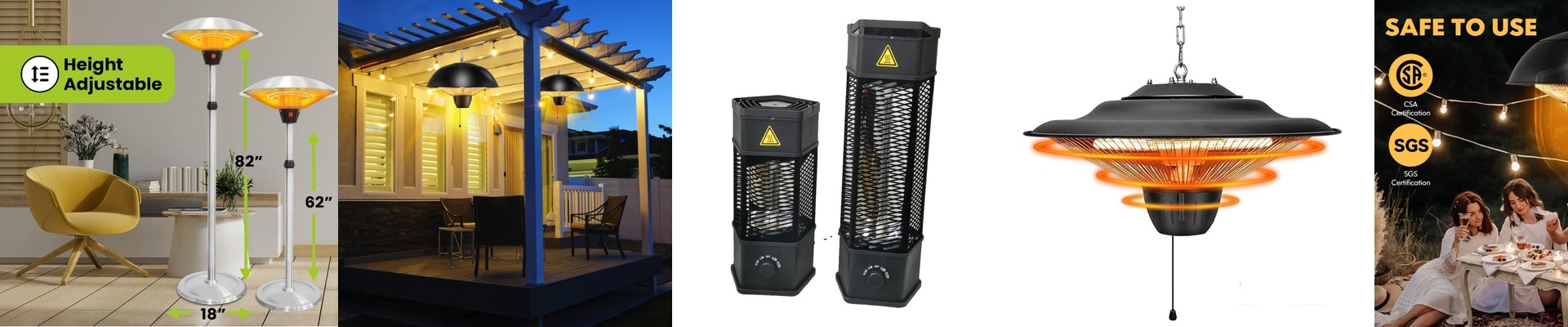

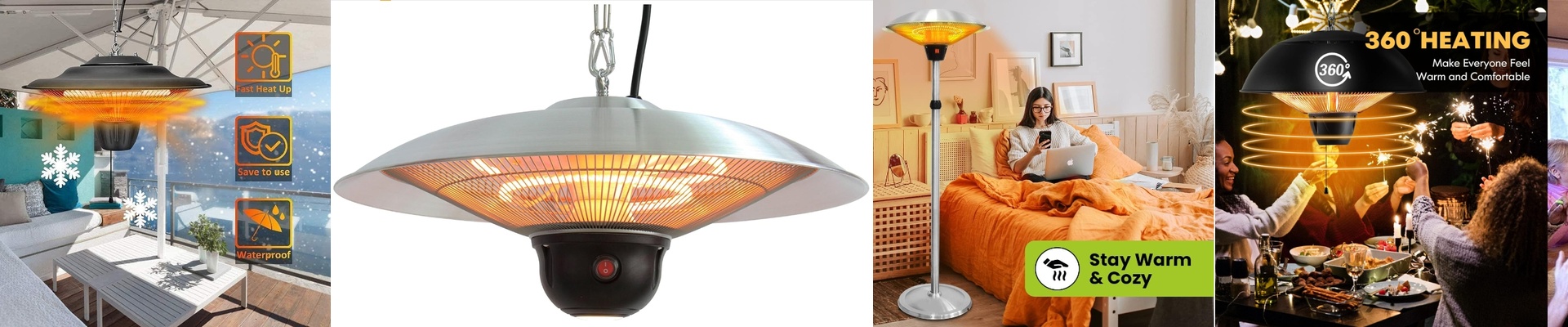



Once the sun drops, your deck can go from perfect to miserable in minutes. Traditional heaters just move air around, wasting energy and making comfort feel like a crapshoot. An infrared wall heater shifts the feel of the space because it puts warmth where you actually feel it—directly on people and surfaces. You get longer evenings without the noise, the glare, or the draft. What’s actually happening under the hood Infrared wall heaters run on radiant heat, not convection. Inside, a carbon fiber or quartz element heats up fast and throws off infrared warmth that travels in a straight line, more like sunlight than a forced-air blast. You get heat on demand—often full output within seconds—and you feel it almost right away. Many models are built for outdoor use and carry IP ratings to stand up to rain and dust. You’ll also see real-world safety features, like tip-over protection and an overheat cutoff. Match the voltage to your home wiring, make sure the mounting bracket is solid and you’ve got the right clearance, and if you want steady, hands-off control, look for a thermostat option. Why this makes sense for outdoor spaces Outdoor heating is about comfort without throwing money away. Because radiant warmth heats objects and people directly, you can keep the ambient air a little cooler and still feel cozy—less wasted energy. Mounted on the wall, the unit stays out of foot traffic and keeps your patio layout flexible. The payoff is an outdoor room that actually works—fewer cold spots, less fuss. In practice, that means more dinners outside, weekends that stretch into evening, and a space that stays livable longer through the year. The stuff you’ll want to get right Infrared wall heaters perform best in covered or partially sheltered areas. In very exposed, windy spots, that directed warmth can get disrupted, so placement matters. Installation needs proper electrical support and clearances, and you want the heater face angled to cover the seating area, not just the wall. If you plan to run it in wet conditions, confirm the IP rating and follow the outdoor wiring guidance. When you choose the right unit and put it where it belongs, an infrared wall heater turns outdoor time into something you can count on.