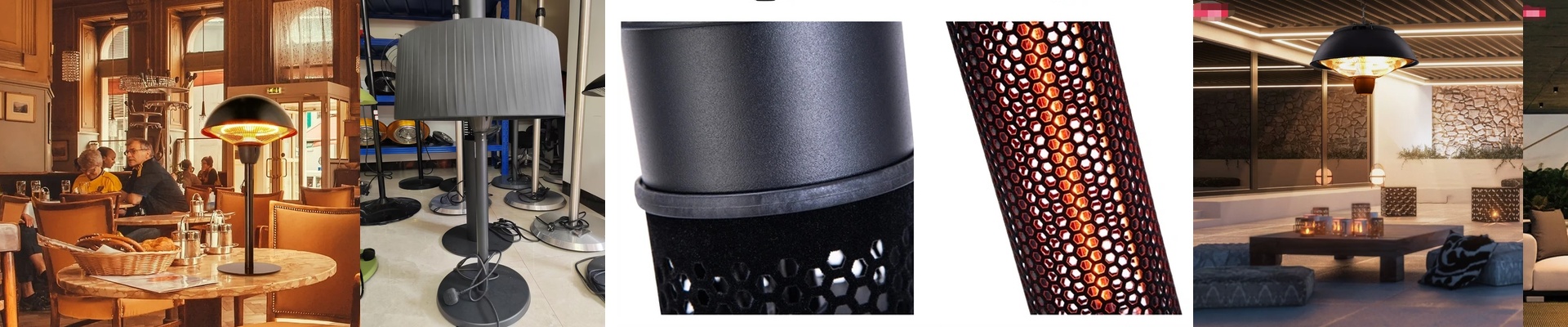

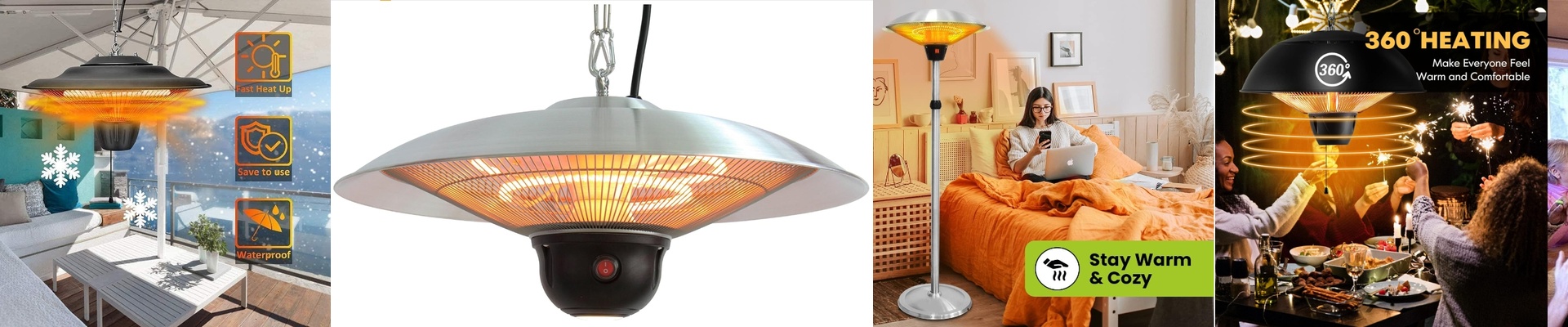
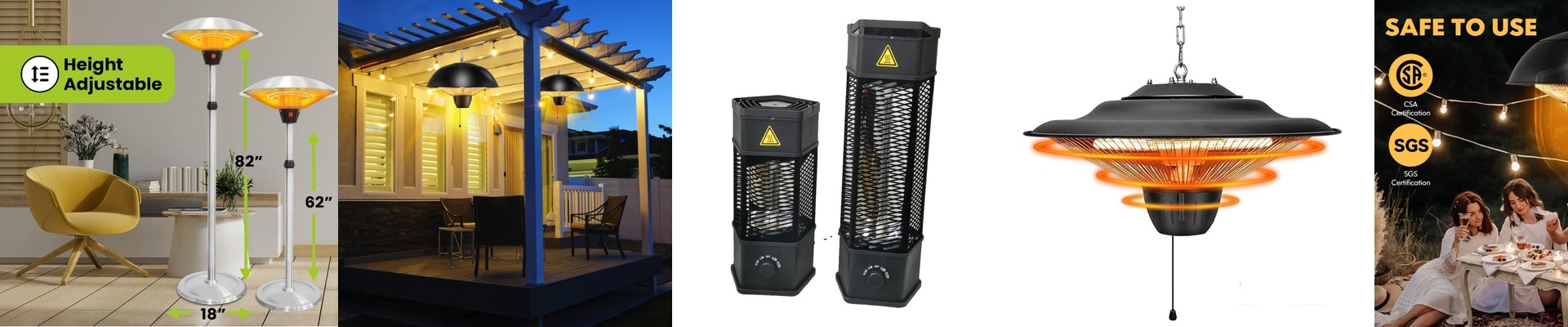
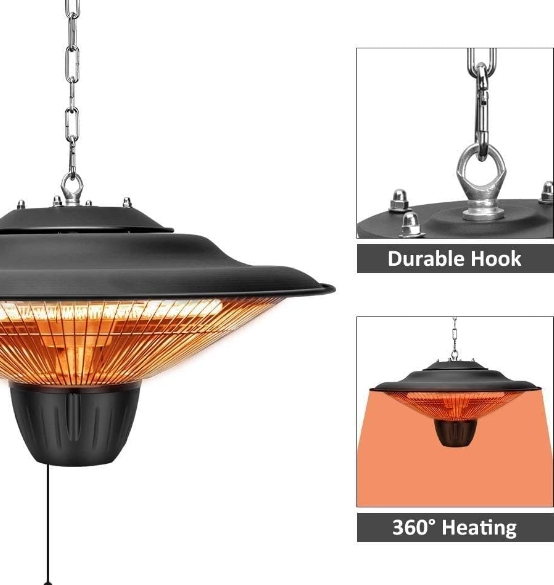
Watch the glow come up. With a personal infrared heater, those first seconds of light aren’t just for show—they tell you something real about the element under the cover. A clean, steady arc and an even brightening mean the filament or tube is consistent, with fewer impurities that burn energy and cut service life. If the warm-up is slow and uneven, that’s usually a sign of cheaper materials that sag and fatigue over time. Here’s the part that matters: the element. In a quartz-tube infrared heater, the internal element has to hold stable resistance and spread heat evenly. High-purity quartz keeps the outer surface cooler while pushing more energy outward as radiant warmth. With carbon fiber and NIR setups, tight, uniform filament density keeps output steady and prevents hot spots that can degrade performance. What you feel is the payoff—heat that arrives fast, without big temperature swings, and stays consistent through the session. And here’s why that translates in everyday use. You want comfort that keeps up with you—at a desk, next to the sofa, or out on a quiet patio. Infrared warmth hits people and objects directly, so you get heat where you need it, without having to warm the whole room. Fast response means no waiting, and steady output means you aren’t constantly chasing the thermostat. In personal spaces, that means fewer drafts, steadier focus, and a more efficient draw because you’re heating what you use, not what you don’t. A few field-tested pointers. Position the heater so the beam covers your torso and legs, and keep it on a stable, level surface. For outdoor use, pick a unit rated for the conditions—match the IP rating to the exposure you’ll get from moisture and dust. Infrared warmth works best when it’s direct, so expect the air off to the sides to feel cooler. Pairing the heater with a thermostat helps you manage comfort and efficiency, and tip-over protection adds peace of mind wherever you set it.