


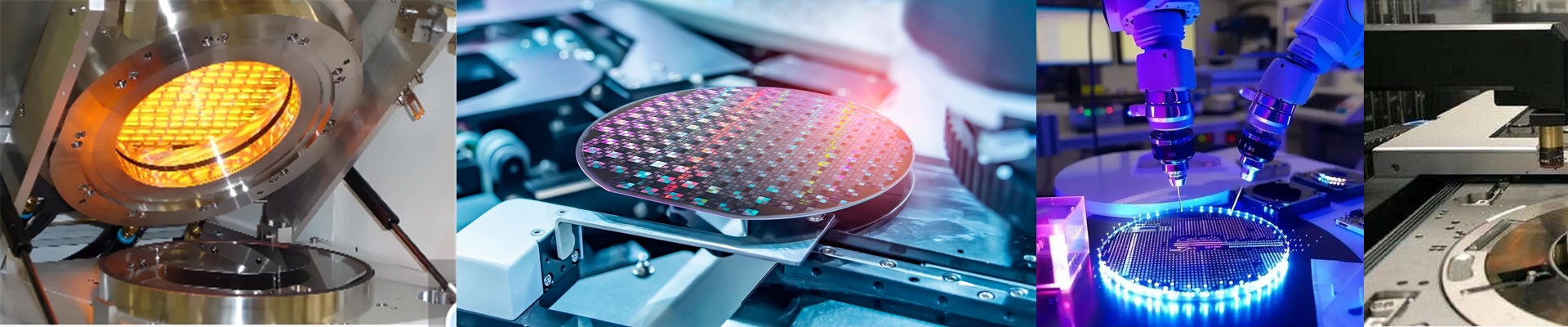

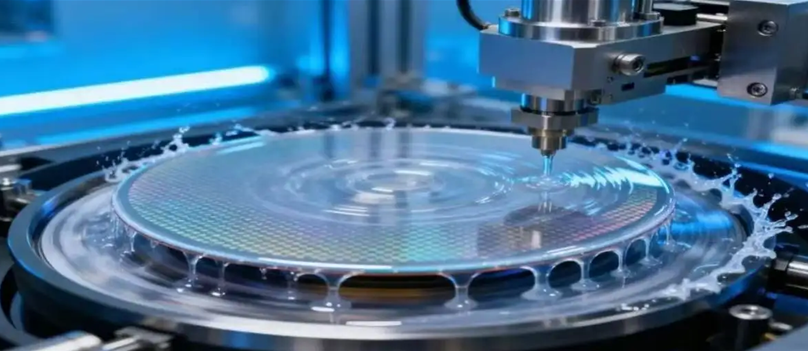
On the fab floor, a display driver IC line can’t tolerate thermal drift. Wafer drying after clean, photoresist soft bake and hard bake before lithography, and package curing after encapsulation all come down to one thing: repeatable temperature, every single cycle. When the heater misses, line yield slips and particle counts climb. What matters, technically We built the display driver IC processing heater around tight thermal control. It keeps wafer-level uniformity within ±0.1°C across the active zone, so the photoresist sees the same bake profile, batch after batch. It’s cleanroom-compatible from Class 1 to Class 100, and the design adds zero particles while it runs. Repeatability isn’t a bolt-on. It’s baked into the control loop and the hot-zone geometry. Here is why it holds up in practice. In wafer drying, the heater pulls moisture off without overshoot, so you don’t stress the sensitive metal layers. During photoresist bake, that same stability keeps critical dimensions within spec and cuts down on rework. In packaging curing, the thermal profile repeats with minimal variation, which improves adhesion and reliability. The payoff is fewer scrap lots, stable cycle times, and predictable energy draw. A few practical notes. The heater integrates cleanly, but the hot zone needs thoughtful clearance planning around the wafer path. During initial qualification, expect a short ramp-up window to tune the recipe to your stack. Once it’s set, the process stays locked, but the handler alignment and exhaust capture have to remain unchanged to keep particle counts low.