
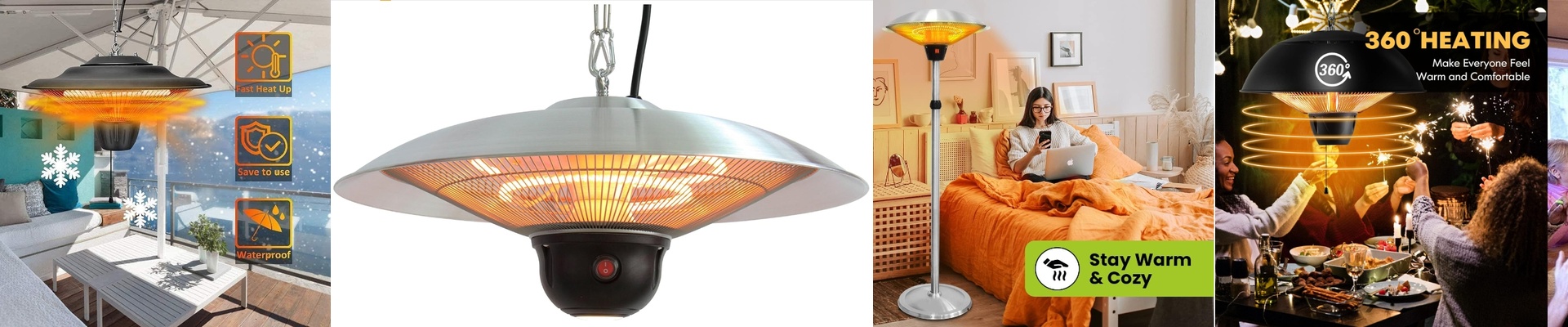


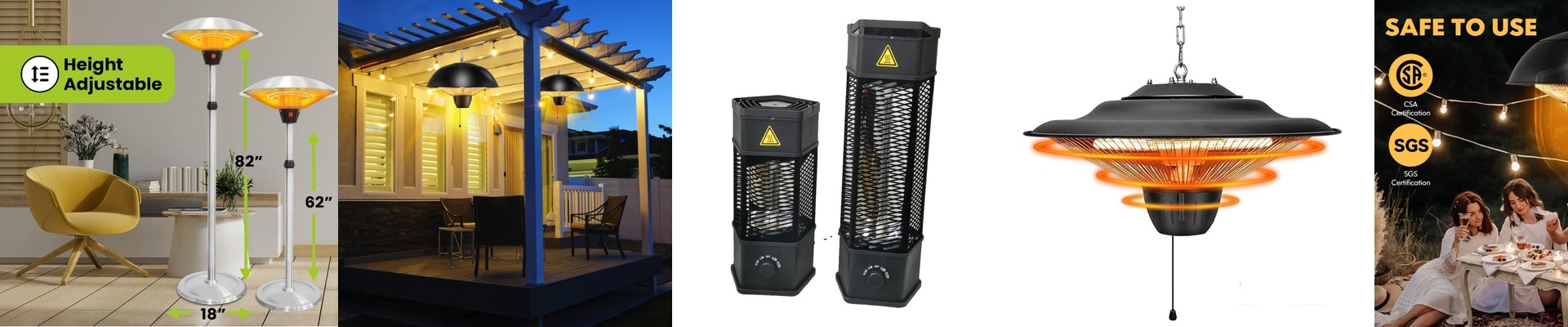
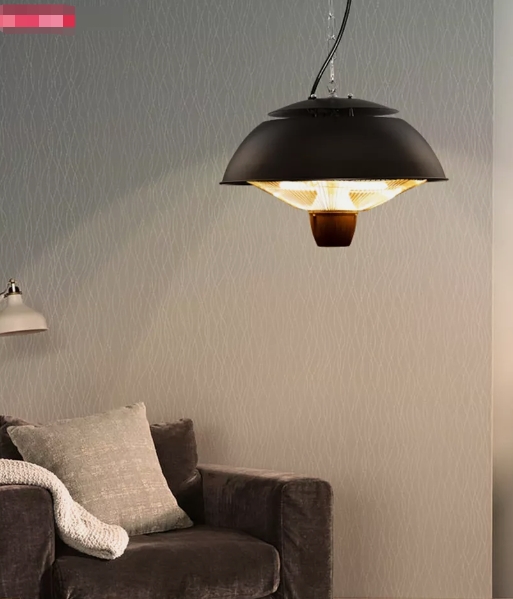
Long-Range Infrared Patio Heaters: Warmth That Actually Finds You
Here’s the idea behind our long-range patio heaters: they don’t waste time warming the air. They send warmth straight to the people and surfaces that need it. How? With targeted infrared wavelengths that cut right through the air without heating it first. So you feel the heat almost instantly, even when you’re standing out in the open. It’s comfort, sure—but it’s also a smarter way to make winter evenings outside feel genuinely doable.
Power, Voltage, and Output: Big Heat, Built Smart
We pack serious output into a compact package. The core is halogen infrared tubes, available in voltages that match real-world setups—either 220–240V or 110–120V. Power runs from 800W up to 2000W, with tube lengths roughly between 300mm and 600mm. That combination gives you a tight, intense beam that can reach across a patio or terrace without needing a giant panel. The physics are pretty straightforward: more wattage plus a well-matched tube length equals a focused heat profile. Just plan your circuit with care. A 2000W load at 230V draws about 8.7A, so the wiring and control gear need to be built for steady, continuous use.
Materials and Design: The Tube That Makes It Happen
At the heart of it is a halogen-filled quartz tube. Quartz can handle the heat and stays optically clear, while the halogen cycle helps keep the filament stable—so the whole thing lasts longer. Inside, the coating is tuned to push the spectrum toward near-infrared. That means the heat lands on people and surfaces more effectively, instead of getting lost in the surroundings. And for the electrical side, we use standard R7s connectors. They give you a secure, low-resistance connection, making replacements simple—just drop the new tube in. One thing to keep in mind: this is high-intensity heat. The fixture has to manage that heat properly. Give it enough clearance and airflow. If you don’t, the end caps can run hotter than you’d expect.
Why It Works: Heat That Goes Where You Do
The best part is how it feels in real life. These heaters warm the people using the space—not the empty air above it. That means fewer drafts, less of that annoying rising heat that leaves your legs cold, and energy that stays focused at the level where people actually are. For anyone installing them, it’s straightforward: choose the right voltage, match the tube length, and wire it up. The result is steady, directional warmth that makes outdoor winter use practical—without wasting energy the way convection-based systems often do.