


Introduction
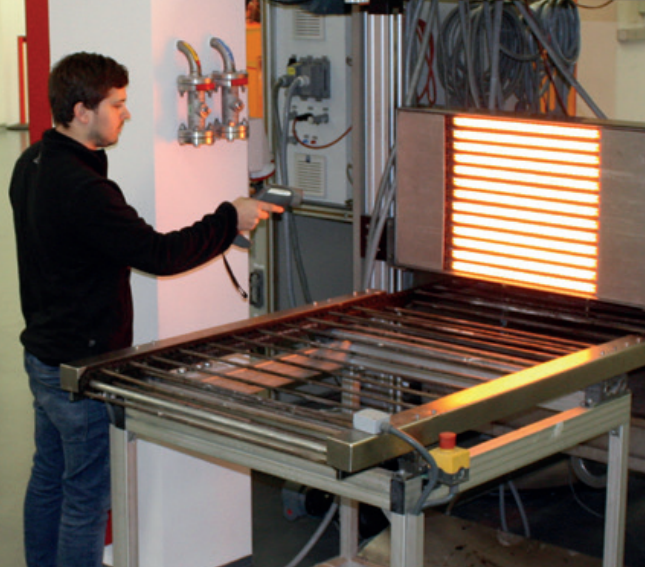
We make serious infrared heating lamps—the kind built for the backend of semiconductor work, where the pressure is constant and the margins are real. These aren’t your average heaters. They’re made to run day after day in a fab, where staying up and running isn’t just convenient—it’s what keeps your year profitable.
Power, voltage, and size—what actually matters
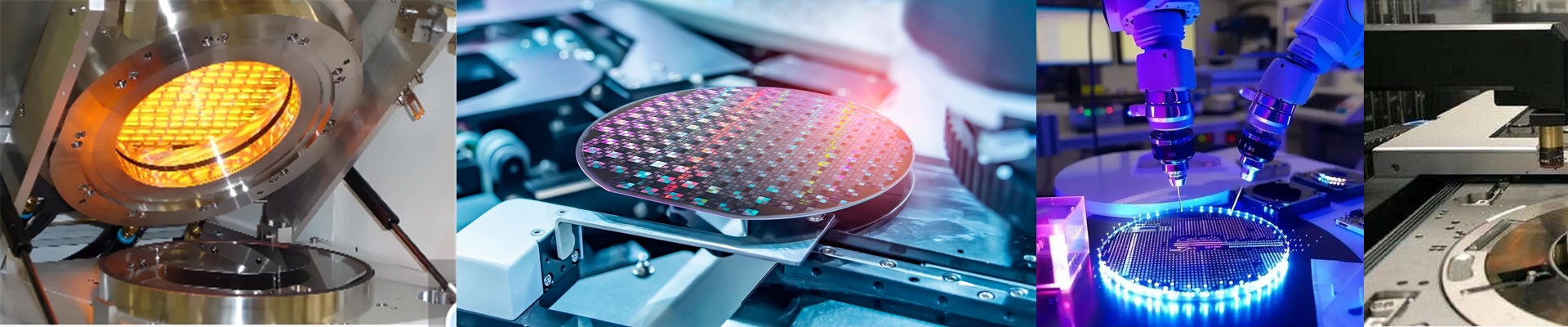
In packaging, you often need a lot of heat packed into a small space—think die attach, reflow, or thermocompression bonding. Our IR lamps deliver that power without tripping over the line’s limits. We match voltage and wattage to the tube length and your equipment’s thermal needs, so the lamp fits the process. Not the other way around. Take a 300mm tube, for example. It usually runs at a higher voltage to keep the watt density even across the whole heating zone. That means a smoother temperature profile and fewer hot spots that can quietly hurt yield. But here’s the trade-off: higher power density needs cooling that’s up to the job. The lamp will still work if your cooling is undersized, but the parts around it can run hotter than you want.
The guts: halogen, quartz, coating, and connectors
We use halogen-filled quartz tubes because they give you strong, steady infrared output—and snap back fast when power changes. Quartz handles sudden temperature swings way better than regular glass, which matters when your cycle time is measured in seconds. The halogen cycle also keeps the filament stable over long runs, so the output stays consistent. Many models have a reflective coating to push more energy forward. Less heat wasted sideways. More energy where you need it. On the hardware side, you’ll often see R7s and Sk15 connectors. They handle high heat and give you a secure electrical fit that’s meant to be swapped quickly—less downtime when it’s time for maintenance.
Where it’s used—and what it does for you
These lamps are built for production that runs like a foundry: die attach, wire bond preheat, encapsulation curing, and keeping test handlers at the right temperature. The payoff is simple: heating you can count on, fewer temperature surprises, and less scrap. And when the lamp drops in clean with a stable connector, service time drops too. For packaging and testing lines, the real win is cost per unit over the year. Fewer burnouts means fewer spares sitting on a shelf and fewer stoppages on the floor. That’s how foundry-grade IR lamps quietly improve your annual margin—by keeping the process steady and the machine running.