



Keeping Your Class 100 Cleanroom Actually Clean
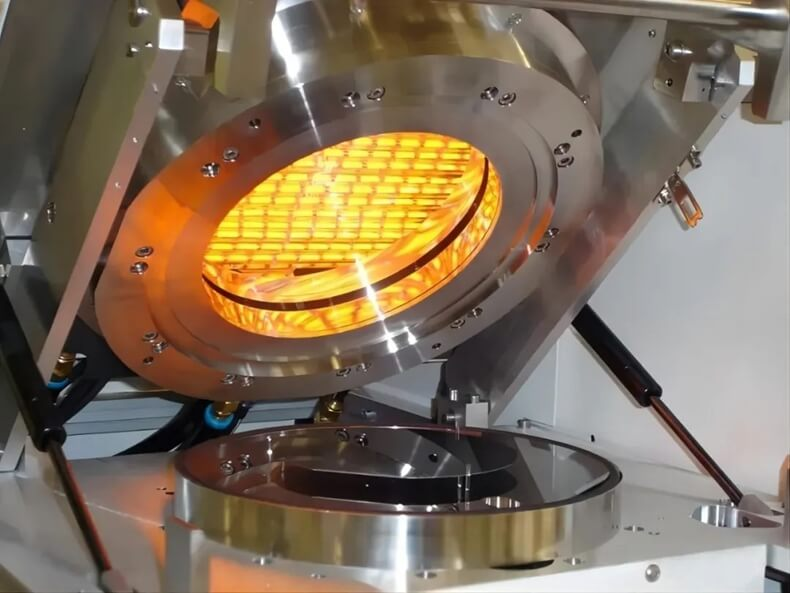
If you’ve ever tried using standard infrared lamps in a Class 100 cleanroom, you know the headache. Most lamps are held together with adhesives or cheap metals that just can’t handle the heat. They start “off-gassing” or flaking off tiny bits of debris the moment they get hot. In a world where one speck of dust ruins a whole batch of wafers, that’s a nightmare. We fixed this by ditching the junk. We use high-purity synthetic quartz and specialized ceramic end caps instead.
Why the seal is where things go wrong
Most contamination starts at the seal. Instead of those traditional metal crimps, we use high-density ceramic end caps. The best part? They don’t release any fumes or particles when they hit peak temperature. We also scrub the quartz tube to get rid of metallic impurities. This stops that annoying “dusting” effect you see with cheap lamps, where the glass surface basically degrades and showers your optical components in micro-particles.
Picking the right materials (and the catch)
We went with a fused quartz envelope because it doesn’t freak out when the temperature spikes. It handles rapid power-ups without cracking. Then, the ceramic caps give the electrical leads a solid, non-reactive place to sit. But here is the honest truth:ceramic is brittle. If your install team tries to jam the lamp into a tight bracket or accidentally bangs the end cap against a steel frame, it’s going to crack. You have to be precise. Treat them with a bit of care during the mount, and you’ll be fine.
Getting them into your line
These emitters are for the “zero-mistake” environments. By getting rid of organic binders and low-melt solders, the heating zone stays chemically quiet. Just a couple of tips for when you wire them up: keep your power supply steady. Huge voltage spikes can put too much stress on the seal between the quartz and the ceramic. Get the voltage right, be gentle during the install, and these lamps will keep your output particle-free for thousands of cycles.