

Stop Turning Your Lab Gear Into an Oven
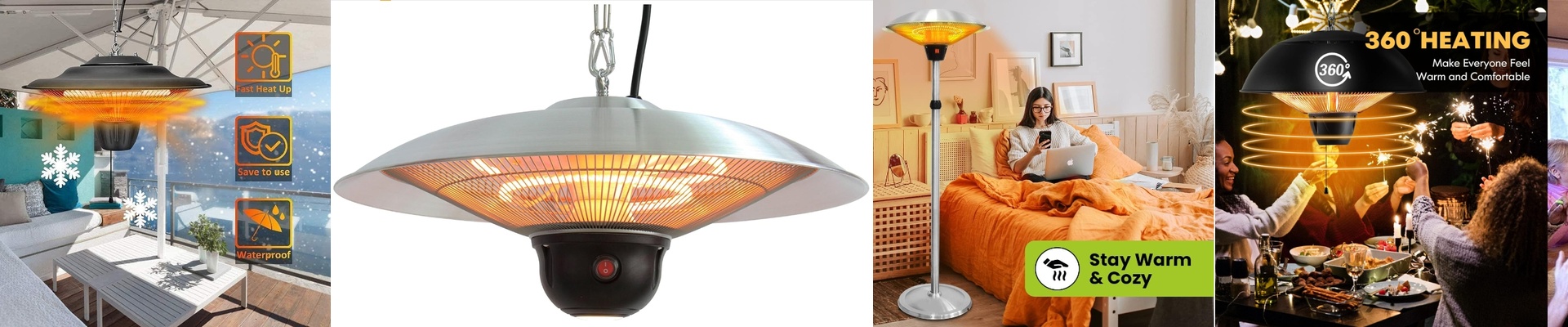
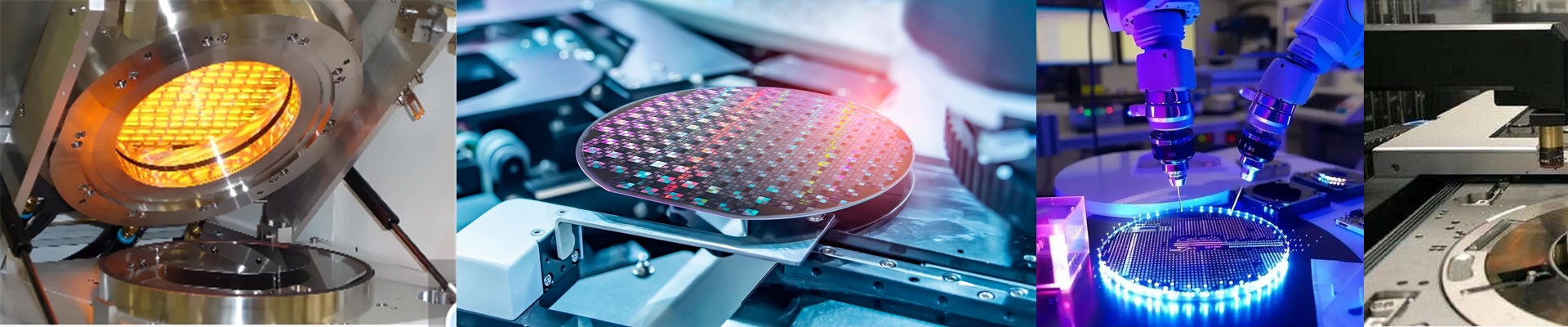
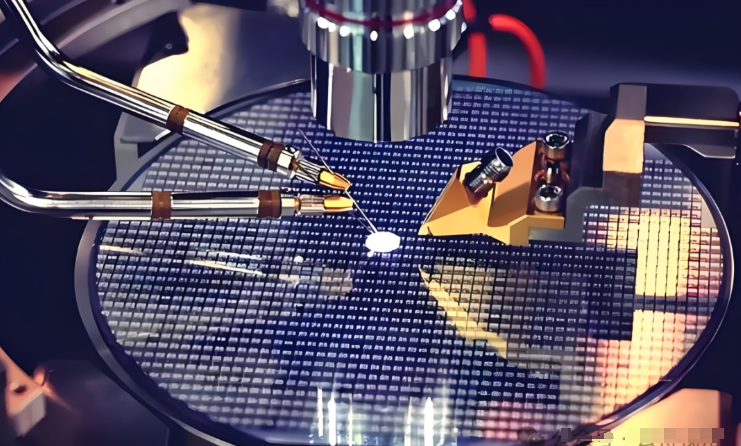
Growing Carbon Nanotubes (CNTs) is a bit of a balancing act. You need intense heat on the substrate, but the problem with old-school heating is that it’s messy. It’s like trying to warm up a single slice of pizza by heating the entire kitchen. Everything gets hot. The walls, the air, the electronics—everything. We call these “hot walls,” and they’re a nightmare. Not only does it stress out your hardware, but it’s a great way for an operator to get a nasty burn. The trick is to stop heating the air. We switched to short-wave infrared (IR) lamps. Think of it like a flashlight, but with heat. Instead of warming up the atmosphere inside the tool, the energy travels in a straight line. It doesn’t do anything until it actually hits the wafer. The result? Your substrate gets the heat it needs to grow those nanotubes, but the cabinet walls stay cool to the touch. Of course, there’s a bit of a trade-off. To get that kind of heat density, you need high-wattage lamps and a very specific focal length. We spend a lot of time tweaking the lamp positions and using reflective shields to make sure the energy hits exactly where it should. But you can’t just crank the power to eleven. If you push the wattage too hard without the right shielding, you’ll start getting “bounce-back,” where heat reflects off the target and hits the walls anyway. Plus, your power supply will feel the strain. You’ve got to make sure your cooling fans are beefy enough to whisk away whatever leftover heat is floating around. It sounds like a small detail, but it changes how the gear feels to use. Your chassis doesn’t warp. Your cable insulation doesn’t get brittle and crack. And most importantly, when it’s time to load a sample or run maintenance, you aren’t fighting a machine skin that’s sitting at 100°C. It’s just a smarter way to work. Target the heat, protect the gear, and keep your skin intact.