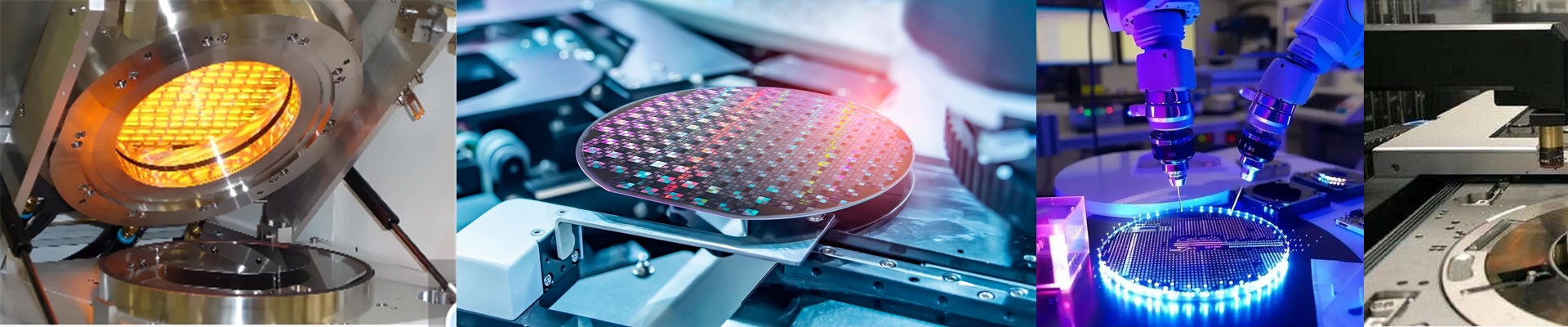
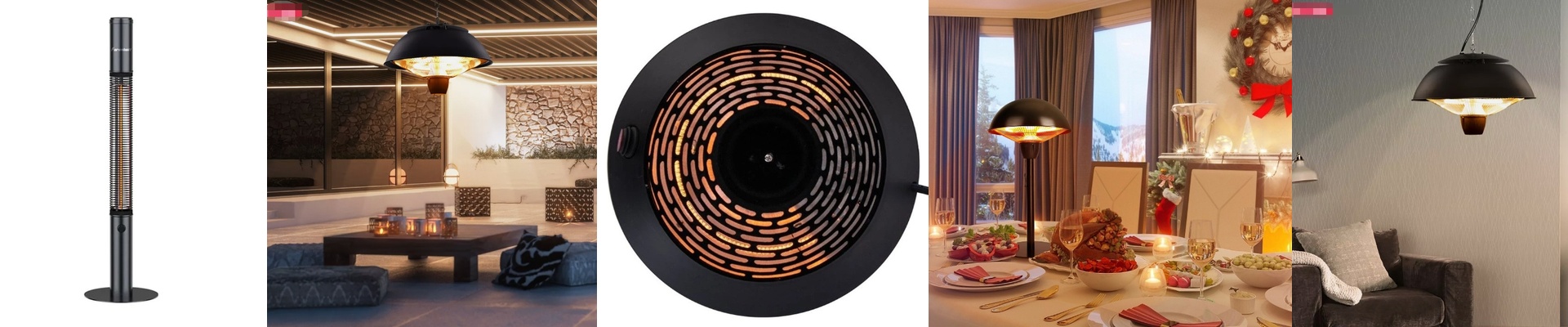
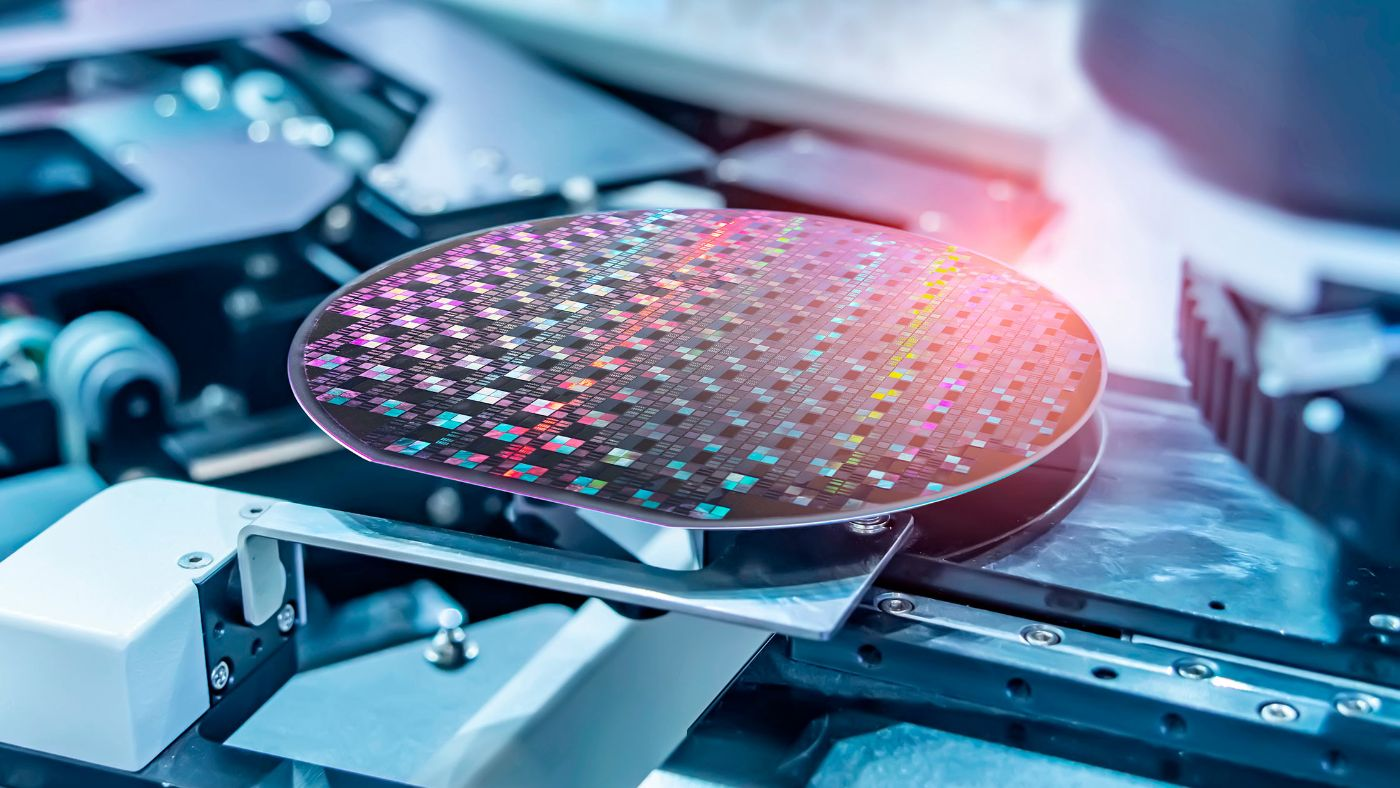
On the fab floor, ashing isn’t a maybe—it’s the thermal step that strips photoresist clean, without pushing the films underneath. If the temperature drifts or the profile sags, you get residues. Line yield takes a hit, and the lithography stack pays for it. What matters under the hood We built the ashing heater around short-wave infrared, using a quartz-halogen emitter array that responds quickly and repeatably. You end up with wafer-level uniformity within ±0.1°C across the bake zone, and temperature control that holds setpoint through the entire strip cycle. The system runs in Class 1–100 cleanrooms with zero particle generation, verified by in-situ monitoring. It delivers stable output for 5,000+ hours, with less than 5% intensity drift. Why this fits the flow In photoresist processing—soft bake, exposure, develop, hard bake, then ashing—repeatable temperature is the thermal budget. Our IR heat ramps fast, cools fast, and keeps the profile identical run after run. Fewer rework lots, less scrap, and cycle time you can bank on. Energy use comes down because emitter power matches the actual load, not the worst-case. The module drops into existing tracks and strip tools with standard mechanical and electrical interfaces. The practical details Infrared ashing gives you clean, controlled heat, but the optics and emitter window demand strict cleanroom handling. Plan a quick alignment and thermal mapping right after install, and put quarterly window inspections on the calendar to keep particle counts in line. With that discipline, the process stays in spec and the line keeps moving.
در خط تولید، عملیات آشینگ یک گزینه نیست—بلکه مرحله حرارتی است که فوتورسیت را بهطور کامل پاک میکند، بدون اینکه به لایههای زیرین فیلمها فشار وارد کند. اگر دما نوسان کند یا پروفایل دچار افت شود، باقیماندههایی ایجاد میشود. بازده خط کاهش یافته و استک لیتوگرافی متحمل ضرر میشود.
آنچه در عمق سیستم اهمیت دارد
هیتر آشینگ را حول مادون قرمز کوتاهموج طراحی کردیم و از آرایهای از امیترهای کوارتز-هالوژن استفاده کردیم که پاسخ سریع و تکرارپذیر دارند. در نتیجه، یکنواختی دما در سطح ویفر در محدوده ±0.1°C در کل ناحیه پخت حفظ میشود و کنترل دما قادر است مقدار تعیینشده را در کل سیکل حذف حفظ کند. سیستم در اتاقهای تمیز کلاس 1–100 با تولید ذرات صفر کار میکند که با پایش درجا تأیید شده است. خروجی پایدار برای بیش از 5,000 ساعت فراهم میکند با انحراف شدت کمتر از 5٪.
چرا این سیستم در فرآیند جای میگیرد
در پردازش فوتورسیت—شامل سافتبیک، اکسپوژر، دِولوپ، هاردبیک و سپس آشینگ—دمای تکرارپذیر، بودجه حرارتی است. حرارت مادون قرمز ما سریع بالا میرود، سریع خنک میشود و پروفایل دما را در هر بار اجرای فرآیند یکسان نگه میدارد. تعداد دستههای ترمیمی کاهش مییابد، ضایعات کمتر میشود و زمان چرخه قابل پیشبینی میماند. مصرف انرژی پایینتر است چون توان امیتر متناسب با بار واقعی است، نه بدترین حالت ممکن. ماژول با رابطهای مکانیکی و الکتریکی استاندارد، در مسیرها و ابزارهای حذف موجود نصب میشود.
جزئیات عملیاتی
آشینگ مادون قرمز گرمای پاک و کنترلشده فراهم میکند، اما اپتیکها و پنجره امیتر نیازمند رعایت دقیق مقررات اتاق تمیز هستند. پس از نصب، برنامهریزی برای تراز سریع و نقشهبرداری حرارتی انجام دهید و بازرسیهای سهماهه پنجره را در تقویم داشته باشید تا شمارش ذرات در محدوده کنترل باقی بماند. با رعایت این نظم، فرآیند در محدوده مشخصات باقی میماند و خط تولید به جریان خود ادامه میدهد.