Why everyone’s switching to infrared
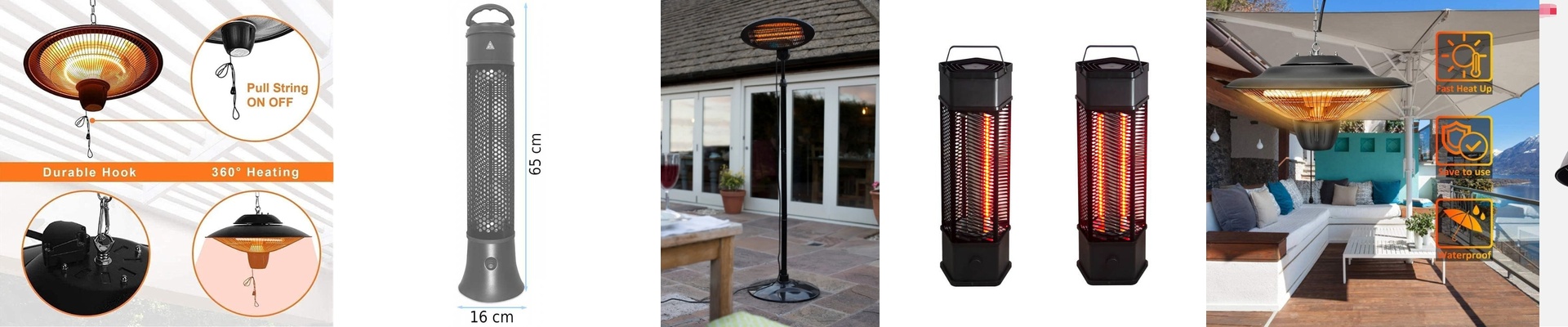
You know that old-school bathroom heater—the clunky lamp-style one? It’s quietly fading away. These days, more and more people are choosing sleek, waterproof infrared heaters. And it’s not just about looks. It’s about how it’s built. Old heaters get the job done, sure. But they’re just not cut out for a real wet room. They can’t handle the moisture, and they don’t give you that focused, instant warmth you crave when you step out of the shower. Infrared units, on the other hand, are designed from the ground up to live in that steamy environment. They’re sealed tight and deliver heat exactly where you need it.
What’s under the hood?
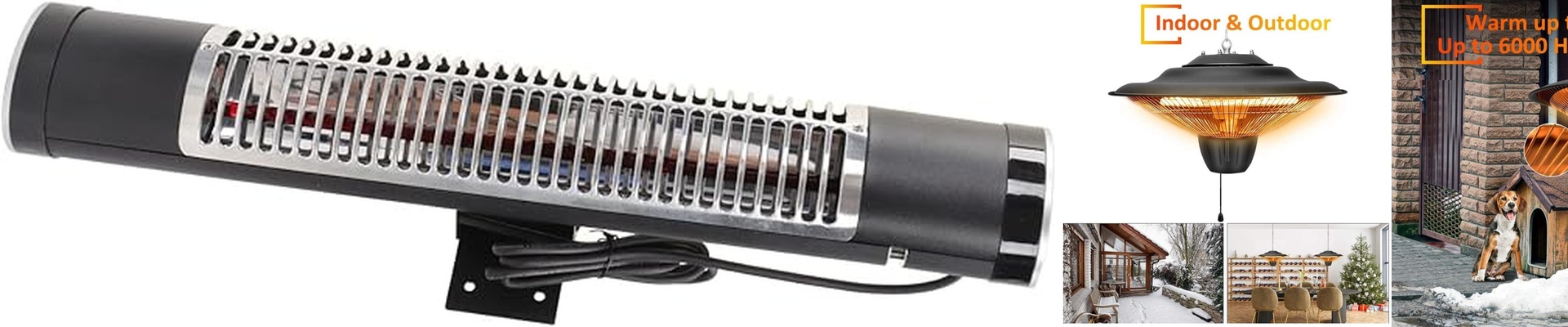
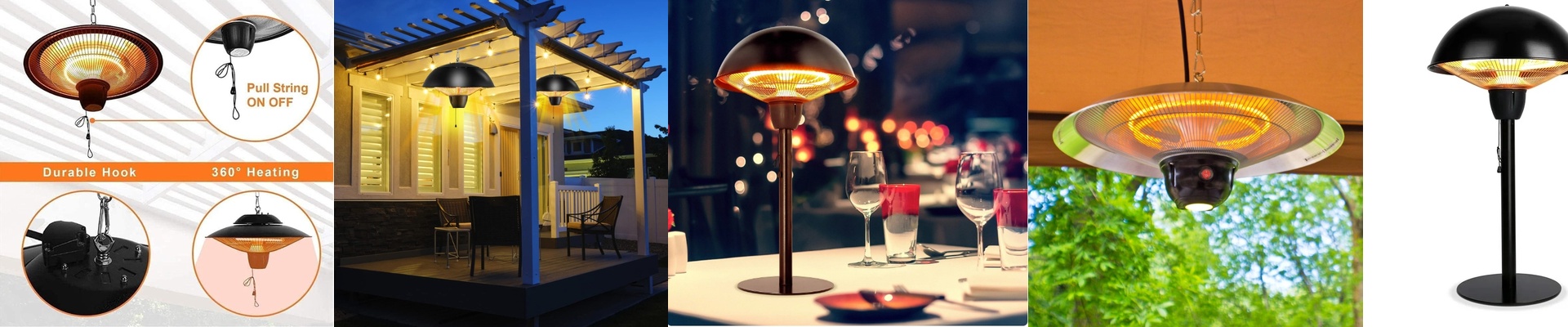
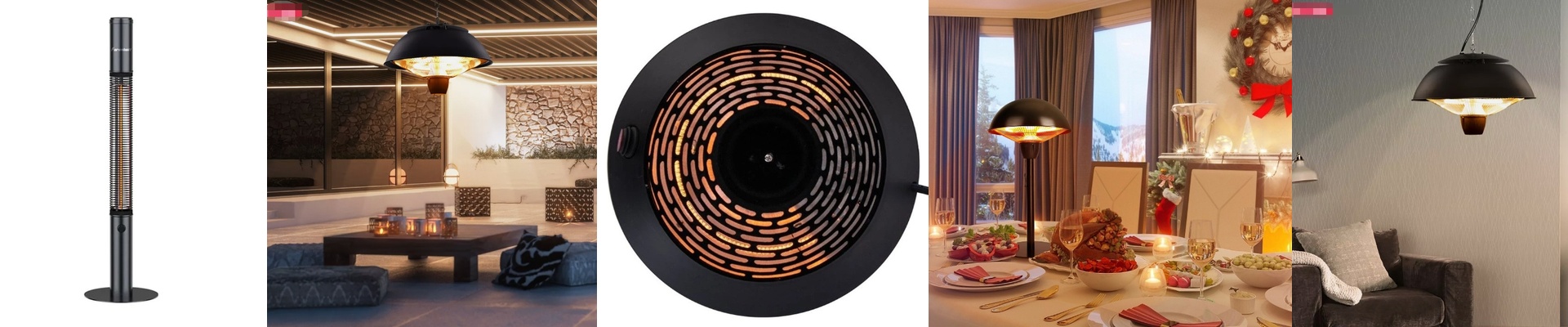
The magic is in a compact, high-powered infrared element. These heaters run on standard home power, so you don’t need any fancy wiring. They pack a surprising amount of heat into a small space. That’s the whole point—the design is about fitting in, not just blasting out heat. Because the heating element is shorter and denser, you can mount the unit right where you want it, close to the action, without losing any of its punch. This also means the whole heater is smaller, making it a breeze to swap out an old one during a reno. But here’s the thing: that kind of power density means it needs to breathe properly. And it needs its own dedicated circuit to handle the electrical load safely. No cutting corners here.
The secret to staying dry
When we say “waterproof,” we’re not just throwing around a buzzword. It’s a real, mechanical feature. The heating element sits inside a sealed quartz or glass tube. This tube is often coated to handle the sudden temperature changes and even resists the harsh cleaning products we all use. That seal is what keeps the water out and prevents any dangerous electrical sparks. Then there’s the R7s base. It’s a tough, industrial-grade connection built for high heat. It holds tight, stays stable, and can handle the daily vibration and temperature shifts without giving up the ghost. It’s the kind of connection you just don’t have to worry about.
The real-world bathroom test
Let’s be honest, in a bathroom, nothing is more important than reliability. It’s the one room where moisture is the enemy, and it’s how traditional heaters usually fail. The second water gets inside, you’re looking at shorts and a dead unit. These waterproof infrared heaters were built to take that direct water exposure head-on. They’re the reliable choice, especially right in the shower zone. The heat they produce is directional, so it warms you and the surfaces around you directly. You’re not wasting energy trying to heat the entire room. It feels instant, and it’s much more efficient for that spot heating you need. For the person installing it, the R7s base means a simple, straightforward, hard-wired connection. It’s a proven setup that gets the job done faster and means fewer call-backs. It’s the simple solution to a common problem: finding a heater that can survive the bathroom and just do its job.